
Tag: Foreign Investment Indonesia
-

Making Your First Hire: The Work That Comes Before Recruitment
Your first hire is decided before anyone is interviewed. Which shortage the business has, what the role must absorb, what an employee costs across a year in Indonesia, and which contract form commits you to what.
-

A Family Office for an Indonesian Family: Passing Wealth Intact, and the Choice to Come Home
For an Indonesian family, a business passes to the next generation by inheritance, and Indonesian law decides how, within limits a will cannot override. This guide sets out the plural succession regimes and the reserved shares, what marriage does to a founder’s ownership, the domestic structures that pass a business on whole, and the choice…
-

What Is a Family Office, and Can a Foreign Family Run One from Bali?
A plain guide to the family office for a foreign family: what it is, single versus multi versus embedded, what it costs and when a family needs one, the governance and succession core, and what Indonesian law requires in Bali, from the PT PMA and the Bali Province rules to immigration, land, and the PFII.
-

Where to Base a Cross-Border Business in 2026: the PFII, an Onshore PT PMA, or a Regional Hub
Indonesia’s new PFII, an onshore PT PMA, Singapore, Hong Kong, Dubai through the DIFC, and Labuan, compared on tax, the owner’s residence, substance, treaty access, succession, the courts, and cost, with a match-by-situation guide and an eight-question FAQ.
-

Indonesia’s International Financial Centre (PFII): What the New Law Means for Bali’s Investors
Indonesia passed the law establishing the Pusat Finansial Internasional Indonesia on 21 July 2026, with Bali named as the location. This article sets out what the centre offers on tax and the Golden Visa, how it is governed through a common-law court, the pending implementing regulations, and the criticisms a foreign founder or investor should…
-

Women Founders in Indonesia: When a Business Has to Close
Julie Wainwright closed Pets.com with around 147 million US dollars gone, and Sophia Amoruso watched Nasty Gal go bankrupt, and both built again. Our founder Tracy Wilkinson lost two thriving companies in a single night and spent years recovering. This final instalment on founders who change direction covers the failure that removes the choice: how…
-

Women Founders in Indonesia: The Art of Reinvention
Alamanda Shantika left Gojek to teach Indonesians to build technology, and Diana Rikasari has reinvented herself from market researcher to footwear founder to maker of upcycled clothing. This first of two instalments on founders who change direction covers the pivot a founder chooses: what a pivot is, when to rebrand and when to start a…
-

Women Founders in Indonesia: The Merits of Bootstrapping a Business
Martha Tilaar built Sariayu from a salon in her family’s house, and Mooryati Soedibyo built Mustika Ratu from Rp25,000 in her garage, neither by selling a share of the idea. This closing instalment makes the case for bootstrapping: proof of concept is a business funding its own expansion, and Indonesian law, through the reserve fund…
-

Women Founders in Indonesia: Making a Woman-Led Business Bankable
Tessa Wijaya taught herself to value companies, then co-founded Xendit and built it into a Southeast Asian unicorn. This final instalment sets out what a bank or an investor checks before it funds a business in Indonesia, from clean ownership and a paid-up cap table to debts, disputes, employment and governance, and how a woman-led…
-

Women Founders in Indonesia: Structuring for Impact
Robin Lim delivers babies free in Bali, Hanna Keraf turned village weaving into a wage, Helianti Hilman built a market for forgotten foods, and Ewa Wojkowska took technology the last mile. Indonesia has no legal form made for a social enterprise, so this instalment sets out the vehicle decision every mission-driven founder faces: the foundation,…
-

Women Founders in Indonesia: Own It in Your Own Name
When Ike Farida was refused a Jakarta apartment she had paid for, because she was married to a foreigner with no agreement, she took the case to the Constitutional Court and won. Under Indonesian law a business built during marriage can be joint property. This instalment sets out how a prenuptial or postnuptial agreement lets…
-

Women Founders in Indonesia: Building a Foreign-Owned Business
Elora Hardy, Michela Foppiani and Susanna Perini each built a substantial business in Bali. This article sets out the compliant route a foreign founder takes: the foreign investment company, the capital and licensing it requires, the work and stay permit, and why a nominee arrangement is illegal and unenforceable.
-

Women Founders in Indonesia: Formalising a Small Business in Indonesia
Diajeng Lestari started HijUp with roughly Rp5 million, and Syukriyatun Niamah started Robries from a university dormitory. Both are registered companies now. This article sets out the path from an informal trade to a registered company in Indonesia, the individual company one person can form, the licensing and tax registration involved, and the credit that…
-

Women Founders in Indonesia: Nurhayati Subakat, Who Rebuilt After the Fire
Nurhayati Subakat built Indonesia’s largest cosmetics company from a home business begun in 1985. Women own 64.5 percent of the country’s MSMEs, and this series opener sets out what turns a woman-led business from an informal trade into one a bank or an investor can fund, and the founders, Indonesian and foreign, who did it.
-

Founder and Employee Equity in Indonesia: Vesting, Options, and Buy-Backs That Comply with the Rules
In Indonesia shares must be paid in full when they are issued, so a grant that vests through future work records unfunded capital that a buyer later inherits. This sets out the two funded designs, an option and reverse vesting, the Article 37 buy-back limits, the good-leaver and bad-leaver terms, the tax on exercise and…
-

Sweat Equity in an Indonesian Company: Why Effort Is Not Capital, and What Works Instead
In an Indonesian company, payment for shares must be money or an asset the company can value and receive, so personal effort cannot be paid-up capital. Sweat equity recorded as paid shares is unfunded capital, which a buyer later inherits. This sets out where an owned asset does qualify, the four lawful routes that reward…
-

Unpaid Share Capital in an Indonesian Company: The Obligation a Share Sale Does Not Erase
In an Indonesian company, the proof that shares were paid can be a statement the company signs itself, not a bank record. Unpaid share capital then survives a share sale, and a buyer of 100 percent inherits the shortfall. This sets out how the gap arises at incorporation, on a later increase, and through sweat…
-

Foreign Land Ownership in Bali: The Lines a Lawful Structure Will Not Cross
A nominee land arrangement is void under Indonesian law, and the exposure remains with the Indonesian named on the title. This article is written first for the Indonesian asked to be the front, and then for the foreign buyer, and it sets out the lawful routes to foreign land ownership in Bali, the harm a…
-

Online Gambling and the Indonesian Business: The Exposure to Owners, and the Duty to Employees
Online gambling is unlawful in Indonesia and reaches a business in two ways an owner rarely sees together: through the company’s money and accounts, and through staff who gamble, borrow, and bring the fraud and distress into work. This article sets out the legal position, the money-laundering and account-freezing exposure, the employer’s rights and duty…
-

Short-Term Lending for Indonesian Businesses: When It Bridges a Gap, and When It Masks a Loss
Short-term and online lending is lawful in Indonesia, and the same loan can bridge a genuine timing gap or mask a structural loss. This article sets out the routes an Indonesian business can reach, what each one costs against a bank line, the numbers that reveal which use it is, the rules that protect a…
-

Opening an Offshore Company from Indonesia: When It Works, and What You Must Declare
An offshore company from Indonesia is lawful, and the Indonesian tax and reporting rules attach to the owner, whatever their nationality. This sets out when one works, what you must declare, the cost against the alternatives, and the routes that reach the same end without a second company.
-

Selling Online in Indonesia: Where the Buyers Are, and Which Platform Will Work for You
Indonesia is the largest e-commerce market in Southeast Asia and grew 2.2 percent in 2025. Three platforms take 98.8 percent of regional GMV. Where the buyers are, what each channel costs, and the licence and tax rules that follow.
-

The Hidden Price of Idle Cash and Slow-Paying Customers
A profitable business can still run short of cash. The money is usually your own, kept idle or tied up. See what it costs and what it could earn.
-

Company Reserve Funds: How Much to Set Aside and Where to Keep It
Profit is an accounting result and cash is what is available in the bank account. Reserve funds close the gap. A framework for sizing and separating the funds an Indonesian company needs to set aside for a healthy business.
-

The Sexiest Cow in Bali: Turning Business Waste Into a Product
A cow bought to keep a riverside block clear became the centre of a daily waste exchange that cut costs for a whole neighbourhood. The same logic runs through six Indonesian businesses that turn discarded material into a product people will pay for.
-

Halal Certification Before 17 October 2026: How an Indonesian Manufacturer Obtains a Certificate in Time
Halal certification becomes mandatory for Indonesian cosmetics, consumer goods, medicine and many food producers by 17 October 2026. This guide helps a producer find the date that governs its own product and work backwards through the certification sequence to reach a certificate before the shelf is at risk.
-

How a Dive School Owner Fell Two Years Behind on Tax and Put His Team at Risk
A skilled diver built a school that filled its boats and put fifteen people to work, then fell two years behind on the company’s tax filing. The old portal closed, the company never entered Coretax, and the staff were left unable to file their own returns. This is the human story, and the recovery.
-

How a Trusted Director Drained the Company a Creative Founder had Built
Sales were strong, yet the money never reached the company account. One founder’s story of a trusted director, misappropriated funds, and the long road back.
-

Service Level Auditing in Indonesia: How a Measured Standard Becomes a Competitive Position
Every enterprise believes it knows its own standard, and an unmeasured standard drifts until a guest sees the gap. A service level audit measures the standard an enterprise delivers against the one its market expects. This article shows, through an anonymised resort that measured too late, why a measured standard is a competitive position in…
-

Raising Growth Capital in Indonesia: The Decision That Converts a PT PMDN to a PT PMA
A growing enterprise reaches a point where its own cash cannot fund the next stage. The source of the capital it raises decides the company’s legal identity, because any foreign shareholding converts a PT PMDN to a PT PMA. This article sets out raising growth capital in Indonesia, the regime conversion brings, the sector and…
-

Brands Built to Multiply: How an Indonesian Enterprise Scales Without Parting With Capital or Control
An enterprise that builds each outlet on its own capital grows only as fast as its capital allows. A model designed to multiply lets other operators fund the growth while the owner keeps the brand and the control. This article sets out scaling a business in Indonesia through licensing, and the graduation to franchising when…
-

Supply Chain Control in Indonesia: How a Domestic Operator Secures Its Place in a Foreign Joint Venture
TraceWorthy designed a beverage network as a joint venture, with domestic capital owning farming and manufacturing and foreign capital owning distribution, and the intellectual property split so that neither side can run the business without the other. This article shows how supply chain control in Indonesia secures the domestic partner’s place.
-

Most Operators Compete by Doing the Same Thing as Their Rivals: Slightly Better or Slightly Cheaper
A foreign-owned investor came to Bali with a recycling model that could not fit the island’s roads, and left rather than adapt it. The demand stayed where it was. This article shows how a domestic enterprise finds the market gap a foreign operator leaves, and takes the position at the scale it chooses to serve.
-

Competitive Advantage in Indonesia: Winning the Position Your Rivals Cannot See
A foreign investor or partner assesses an Indonesian company across four areas before committing, namely governance, financial records, ownership structure, and communication. This article sets out what those parties require, and how a compliant domestic enterprise that meets the standard can attract capital and trade on its own terms as Bali tightens the rules on…
-

The Rise of PT PMDN, or the Return of Nominee Arrangements?
Bali’s restriction on foreign-owned companies has raised a fair question: stronger local business, or a return of nominee arrangements? The two are not opposites, and the channel the question overlooks is a lawful relationship between a foreign-owned company and an Indonesian-owned company. The Indonesian party owns the asset; the foreign company supplies services for a…
-

Foreign Ownership and Padel in Indonesia: the KBLI Codes a Foreign Company can Register
Padel is the fastest-growing sport in Indonesia. A foreign-owned company can register two roles today, confirmed on the live licensing system: the brand and intellectual property licence under KBLI 77400, and the coaching academy under KBLI 85510. A local operator runs the playing facility, because the sports-facility codes carry no registrable large-enterprise scale at present.
-

PT PMA Restrictions in Bali: Why the Property Workarounds No Longer Work
Bali now blocks new foreign-owned company registrations in low and medium-low risk classifications, and the familiar workarounds no longer escape it. Switching to an accommodation code meets building-footprint and reserved-field limits. The fee-based management code reserves the broker role to Indonesian citizens. Nominee structures meet beneficial ownership disclosure. Each closure carries its own verification mechanism.
-

Invoicing Offshore Clients from a Company in Indonesia
The framework for invoicing offshore clients from a PT PMA in Indonesia: the PMK 32/PMK.010/2019 zero-rated VAT regime, corporate income tax at 22 per cent on worldwide income, Article 24 foreign tax credit, LLD reporting, and transfer pricing exposure under PMK 172/2023.
-

What it Costs to Put an Employee on the Books in Indonesia
The headline gross salary is rarely the figure that arrives in a foreign owner’s monthly budget. After BPJS contributions, PPh Article 21 withholding, the THR reserve, and the payroll cycle costs, the fully-loaded cost of an Indonesian employee runs at 115 to 118 per cent of gross.
-

Taking Money Out of a Company: Dividends, Fees, Salary and Shareholder Loans
Four routes for extracting cash from a foreign-owned PT PMA: director salary, fees, dividends, and shareholder loan repayments. Worked tax comparisons with treaty rate examples on each. (185)
-

Anti-Money Laundering Compliance for a PT PMA in Indonesia
AML compliance for a PT PMA sits alongside tax and forex in every outbound transfer decision. Indonesia’s full FATF membership from October 2023, PPATK reporting under Law 8/2010, sanctions screening, and beneficial ownership disclosure.
-

Sending Money Offshore: Outbound Payments from a PT PMA
A foreign-owned PT PMA sends money offshore regularly: payments to suppliers, consultants, parent companies, and shareholders. Each transfer carries an Indonesian withholding obligation under PPh Article 26, a treaty rate application process, a Bank Indonesia reporting requirement, and a bank documentation set.
-

Consultant Tax in Indonesia: PPh Article 23 and the Consultant-Employee Line
New foreign-owned PT PMAs frequently make a recurring error: paying the full consultant invoice without applying the withholding. This article works through the PPh Article 23 framework, the seven-factor consultant-employee substance test, the 2 or 4 per cent rate structure, and the NPWP rule.
-

The Villa Question and the Line on Directors’ Personal Expenses
The villa question reaches nearly every foreign director running a Bali PT PMA in the first six months of trading. The 2023 reform to Indonesia’s benefit-in-kind regime under PMK 66/PMK.03/2023 changed the answer materially. Worked arithmetic on villa rent, vehicles, school fees, and KITAS costs.
-

The IDR 10 Billion Question: Paid-Up Capital for a PT PMA in Indonesia
The IDR 10,000,000,000 paid-up capital requirement is the entry point for a PT PMA. The figure is recorded in the company’s bank account, retained for at least 12 months under Article 27 of BKPM Regulation No. 5 of 2025, and deployed into the licensed business activity over the multi-year investment plan that BKPM measures through…
-

A Financial Reporting System that Survives Deadline Season
For a PT PMA, the Indonesian reporting year fills a calendar with deadlines that run through every month, with the quarterly LKPM and the annual cycle overlaid. The financial reporting system that prepares each filing from the company’s own records, in advance of every date, is what survives deadline season. TraceWorthy’s financial services team performs…
-

The Investment Activity Report, and Why it Exists
Every PT PMA files the investment activity report (LKPM) each quarter from the day its NIB is issued, including quarters with no activity. The 15th-of-the-month deadlines under BKPM Regulation No. 5 of 2025 set a fixed rhythm. The work behind each report falls across investment plan structuring, quarterly preparation, cross-system reconciliation, and sanctions response.
-

Why a PT PMA Pays the Same Corporate Income Tax as a Local Company
Corporate income tax in Indonesia is 22 per cent for every resident company, and a PT PMA is resident, so a foreign-owned company pays the same rate as a local one. Reliefs follow turnover and listing. Ownership reaches the position only through the withholding on dividends sent abroad and the global minimum tax on large…
-

Why a PT PMA Carries the Large Enterprise Classification
A foreign-owned company in Indonesia is classified as a large enterprise once its declared investment plan exceeds ten billion Rupiah. The label follows the size of the investment and reaches domestic companies of the same scale. This article sets out the threshold, the consequences for a foreign owner, and the policy behind the size rule.
-

Reporting Obligations: The Indonesian Company Reporting Year Mapped
A new foreign-owned company in Indonesia faces a reporting schedule that feels relentless in its first year. Almost all of it flows from general company and tax law and binds every limited liability company equally. The full reporting year is now mapped here, tracing each PT PMA reporting obligation to its instrument, authority and deadline.
-

Bali Property in 2026: Perda No. 4 of 2026, the Nominee Prohibition, and the Compliant Investment Structure
Nominee land arrangements in Bali have been void under Indonesian law since 1960. Bali Provincial Regulation No. 4 of 2026 did not create a new prohibition — it added criminal prosecution for both parties to the arrangement and for any intermediary or facilitator. The compliant structure, the risks, and the due diligence requirements are addressed…
-

PT PMA Establishment 2026: Pre-Formation Framework for Bali-Based Enterprises
Forming a PT PMA in Bali in 2026 is still viable. The OSS restriction on all low and medium-low risk KBLI classifications for Bali-address companies has raised the pre-formation due diligence requirement significantly. KBLI selection, Positive Investment List verification, physical address confirmation, and capital planning must all be resolved before a notary is engaged.
-

PT PMA Compliance 2026: What Existing Bali-Based KBLI Holders Need to Know and Do Before 18 June
Your existing PT PMA licence in Bali is valid and will not be retrospectively cancelled. The compliance obligations that do apply — four OSS trigger points, the KBLI 2025 migration deadline, a substance-based enforcement programme, and LKPM reporting requirements — require assessment before 18 June 2026. This article sets out the action sequence.
-

PT PMA Regulations 2026: What Every Bali-Based Foreign Investor Needs to Know
If you have a PT PMA in Bali, or are planning to establish one, 2026 has introduced restrictions that require review before any OSS action is taken. This article covers the Governor’s KBLI letter, the DPMPTSP’s formal proposal to BKPM, Perda No. 4 of 2026, and the 18 June migration deadline.
-

Property Acquisition in Bali: A Due Diligence Framework for Foreign Nationals
Foreign nationals acquiring residential property in Bali encounter a transaction environment that differs materially from the legal frameworks of their home countries. The protections that function automatically elsewhere, covering independent legal representation, registered easements, title insurance, and structured conveyancing, must be specifically commissioned here. This article covers thirteen due diligence categories that every foreign national…
-

Indonesia Residence Pathways: A Decision Framework for Foreign Nationals Planning Long-Term Stays
Indonesia’s residence permit system provides nine KITAS pathways, each with distinct eligibility conditions, work authorisation rules, sponsor requirements, and a different route to KITAP. The right pathway depends on the purpose of the stay and the visa the applicant is travelling on when they engage TraceWorthy. This article presents the comparison table and describes the…
-
KBLI 2025 and Your PT PMA: What Is Now Live and What You Must Verify
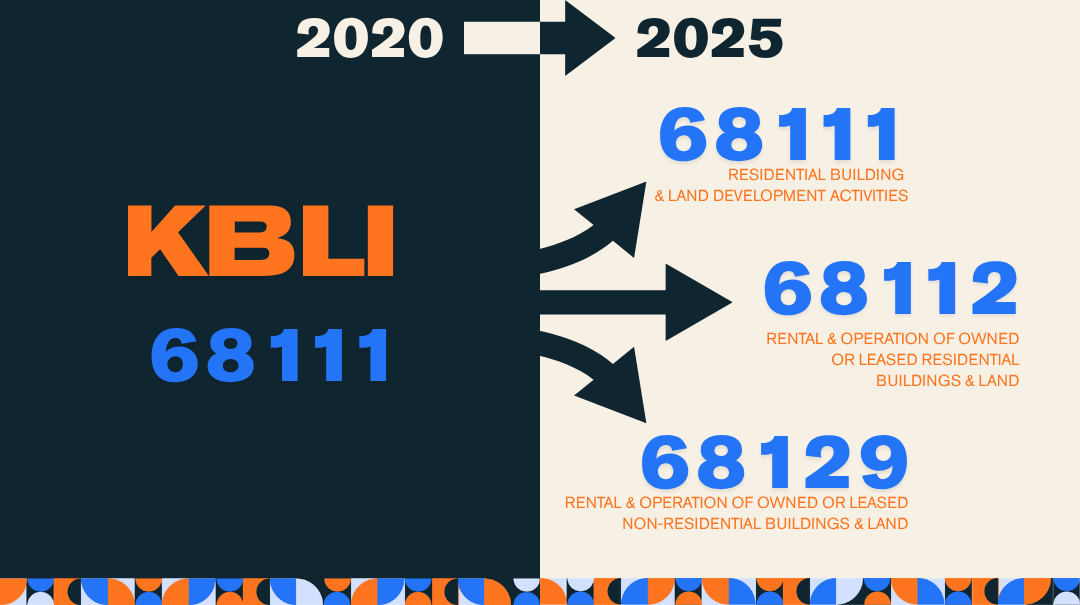
BPS Regulation No. 7 of 2025 requires every entity operating in Indonesia to align its registered business classification with the KBLI 2025 framework by 18 June 2026. For PT PMA entities whose KBLI 2020 codes split into multiple 2025 codes, the migration requires an investment threshold assessment, a foreign investment status review, and in some…
-

Annual Report Obligation: What Permenkum 49/2025 Now Requires Every PT to Prepare, Present, and Register
Permenkum 49/2025 came into force on 17 December 2025 and converts the PT PMA annual report from an informally managed governance formality into a compliance obligation with defined deadlines, mandatory SABH system registration, and sanctions that suspend access to Indonesia’s corporate filing system. For calendar-year companies, the deadline for the 2025 fiscal year is 30…
-

Investment Activity Report: LKPM Obligations, Deadlines, and the Consequences of Non-Submission
Every PT PMA in Indonesia must file the LKPM, the Investment Activity Report, every quarter from the day its NIB is issued, including quarters with no activity. The report confirms that declared investment is being realised. Missing a deadline escalates from a written warning to NIB revocation, and blocks corporate amendments through OSS in the…
-

Operating Layer: Back-Office Infrastructure, Compliance Governance, and the Cost of the Gap
TraceWorthy’s services are used by other consulting firms and real estate agencies across Indonesia, delivered to their clients under those firms’ own names. The advisory capability is available directly. This article maps the financial management, tax, land transaction, corporate structure, licensing, workplace compliance, and immigration failures TraceWorthy is routinely engaged to remedy in Bali’s operating…
-

Clean by Design: Water Treatment, Refill, and Wastewater Enterprises in Indonesia
Bali’s aquifers have lost over 50 metres of groundwater depth in some areas in less than ten years. Wastewater infrastructure on the island processes less than ten per cent of the waste it generates. The average tourist uses between 2,000 and 4,000 litres of water per day. Water treatment investment in Indonesia addresses those pressures…
-

Built to Scale: Sports and Recreation Investment in Indonesia
Indonesia’s sports economy is projected to reach IDR 43 to 45 trillion in 2026, growing at 5 to 7 per cent annually from the confirmed 2024 baseline of IDR 39.5 trillion. Padel recorded a 1,684 per cent increase in tracked activities in Indonesia in 2025, with over 1,580 new courts built during the same period.…
-

Teaching Without Permission: Lawful Entry into Indonesia’s Education and Skill-Transfer Sector
Indonesia’s total education market is valued at USD 50 billion, with the EdTech segment growing at a compound annual growth rate of 11.79 per cent. The demand environment for language training, corporate professional development, children’s enrichment, executive education, and vocational training in Indonesia is commercially confirmed. The compliance structure required to operate lawfully within it…
-

From Ingredient to Invoice: Food and Beverage Production as a Foreign Investment in Indonesia
Indonesia’s food market is valued at USD 255.38 billion in 2025, and the F&B sector contributed IDR 1,531.4 trillion to national GDP in 2024. Foreign investment in food manufacturing reached USD 3.46 billion by year-end. The sector rewards investment. It also requires a precisely sequenced compliance chain that runs from KBLI classification through BPOM registration,…
-

Beyond Tourism: The Blue Economy in Indonesia – Marine and Fisheries Investment
Indonesia is the world’s second largest aquaculture producer, with 17,504 islands and 6.4 million square kilometres of sea area. The KKP has set a marine and fisheries sector investment target of IDR 14.47 trillion for 2026, as part of a five-year programme targeting IDR 79.21 trillion by 2029. Government Regulation 78 of 2019 provides a…
-

Beyond Beach Clubs: Creative Production, Events, and Destination Experiences as Foreign Investment in Indonesia
Indonesia’s creative economy became a named licensing sector under Government Regulation 28 of 2025, for the first time placing event production, destination experiences, film and music production, performing arts, and creative education within a defined regulatory framework with its own licensing treatment and supervisory authority. For a foreign investor, this means the KBLI 2025 classification…
-

Beyond Bali: Infrastructure and Built-Environment Services as Foreign Investment in Indonesia
Indonesia’s Rencana Pembangunan Jangka Menengah Nasional 2025 to 2029 requires IDR 47,587.3 trillion in infrastructure investment. The Ministry of Public Works budget was cut 73 per cent in 2025. The gap between what the state needs and what it can fund is the commercial context in which built-environment services in Indonesia operate. This article examines…
-

Beyond Villas: Trade and Distribution in Bali
Foreign investment in Bali has long concentrated on real estate and accommodation. This article examines trade and distribution in Bali as a structurally different route into the same commercial demand environment, covering the legal framework, the enterprise models available to foreign investors, and the compliance requirements that determine whether a trading company in Indonesia operates…
-

Beyond Tourism: Bali Needs Waste Solutions
Why imported systems often fail, and where foreign investors can still create value Bali’s waste emergency is visible in overflowing disposal sites, mixed roadside waste, pressure on local collection routes, and the growing public focus on landfill capacity. In April 2026, Indonesia’s Environment Minister said open dumping across the country must end by July 2026,…
-

Bali 2036: Growth Alone Will Not Protect Your Business
Bali is still growing, though growth alone does not make a business durable. This article examines what founders need to test before capital is committed, including structure, feasibility, governance, uneven trading conditions, and whether the venture still makes sense under closer review.
-

Who Can Approve What Inside a PT PMA in Indonesia?
Many PT PMA founders rely on internal habit when approvals are needed. This article maps how approval authority should be traced across the GMS, Directors, Commissioners, and internal governance documents.
-

PT PMA Articles of Association in Indonesia Explained
A PT PMA can have a registered Anggaran Dasar and still leave major governance questions unresolved. This article explains to investors what it governs, what it leaves open, and how to test compliance.
-

Nominee Arrangements in Property Monetisation
Foreign participation in Indonesia’s short-term accommodation market needs a structure that matches the public record, the licensing file, and the commercial reality. Using a PT PMDN as a domestic façade may deepen nominee risk rather than solve it. This article explains why, and points investors towards lawful participation models.
-
SLF, KBLI 2025, and Short-Stay Villas
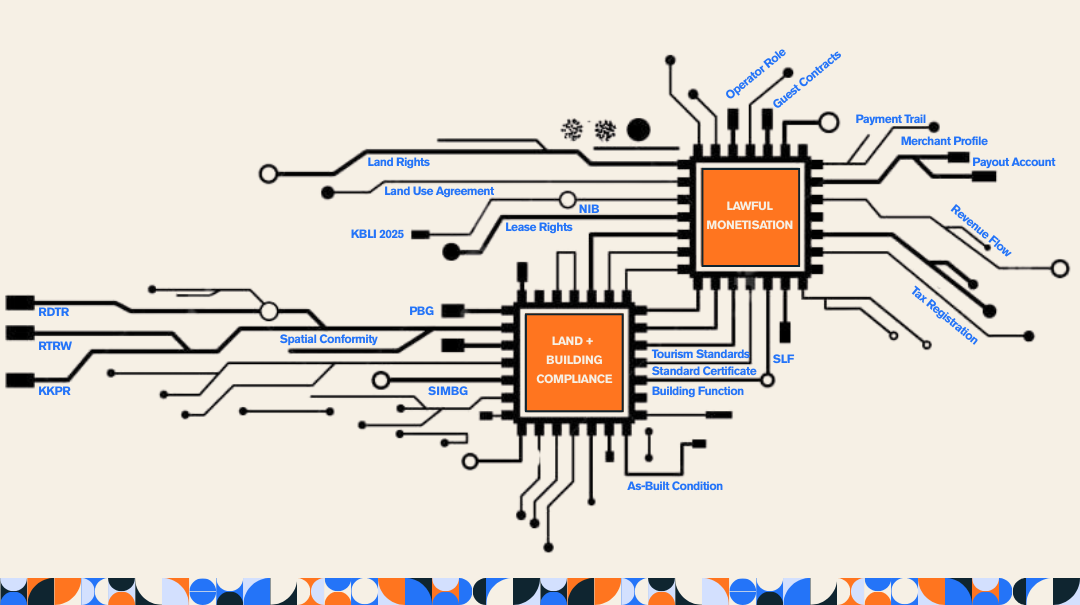
SLF, KBLI 2025, and risk-based licensing now place short-stay villa monetisation inside a more disciplined legal pathway. This article explains why a management company does not solve operator-role problems and what evidence is needed to build a lawful structure.
-

Why Governments Set the Rules and Markets Make Them Work: Indonesian Government Objectives of KBLI 2025
KBLI 2025 is a classification system designed to route business activity into Indonesia’s licensing, reporting, and investment settings. This article explains how governments set the rules and markets operationalise them, and why that matters for foreign investors navigating OSS, enforcement, and real estate and accommodation models.
-

Counterparty Due Diligence for Foreign Investors in Indonesia
Counterparty due diligence is the discipline that sits between outright fraud and honest but unrealistic promises. This article explains how foreign investors in Indonesia can look beyond pitch decks, test promoters and structures against Indonesian regulation, and recognise warning signs before capital is exposed. It also sets out how TraceWorthy designs structured counterparty due diligence…
-

When Your Client Asks If You Can Do It Cheaper: Choose Value Over Price
When a client asks if you can do it cheaper, they are usually reacting to uncertainty, not questioning your competence. This article explains the behavioural forces that push buyers toward price, then sets out a practical method for choosing value over price using outcomes, ownership, evidence, and risk controls. It is written for founders and…
-

Preventable Failure in PT PMA Ownership: Why Investors Need to Slow Down for Due Diligence and Feasibility
Preventable failure in PT PMA ownership often starts before revenue. This article sets out a disciplined investment gating workflow using PT PMA due diligence and PT PMA feasibility study steps to reduce structural, regulatory, and governance risk.
-
High Interest Lending Scams in Indonesia: A Quiet Message, a Missing Borrower, and a Visit to the Police
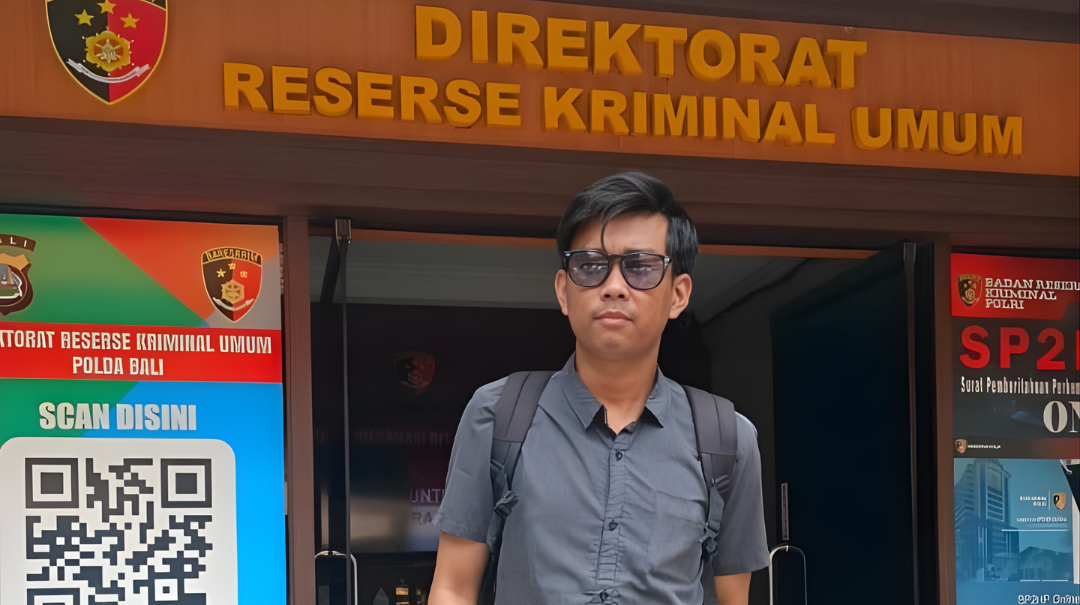
High interest lending scams in Indonesia often begin as friendly, informal deals. In this case, a client ignored repeated warnings, advanced larger sums, and the borrower vanished. TraceWorthy’s records now support a criminal investigation. The article unpacks the legal process, the psychology of “money games”, and how disciplined due diligence can prevent similar losses.
-

KBLI 2025: Real Estate and Accommodation
KBLI 2025 real estate and accommodation rules reshape monetising property in Indonesia. This guide explains the licensing impacts on PT PMA, tourism certification, and OSS actions to implement now.
-
KBLI 2025 Scale Restrictions in OSS and Why PT PMAs Feel the Impact First
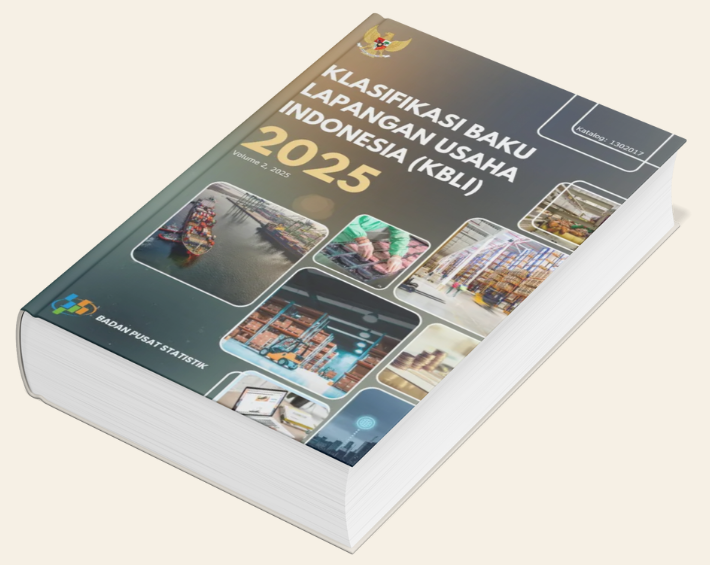
KBLI 2025 is legally effective and is now the reference point for business activity classification in Indonesia. For many PT PMA owners, the first friction is an OSS block caused by business scale settings applied to specific five-digit KBLI activities. This article explains how scale gating works, why PT PMAs meet it early, and how…
-

Ask, Listen, Design, Act: The TraceWorthy Method for Building Capability and Systems
The ask listen design act framework turns real business questions into operational systems. This article explains how human-centred consulting method, cross discipline advisory, and business systems design combine into capability building for founders through co-design workshops and structured implementation.
-

From Policy Folder to Daily Practice: Designing Policies and Procedures for Continuous Quality Improvement
Compliance Manager, Magie Moretha, works side by side with TraceWorthy interns to turn policy documents into step-by-step procedures that fit real workflows inside Indonesian PT PMA support teams, demonstrating continuous quality improvement in everyday operations.
-

Human Centred Consulting in Practice
Inside TraceWorthy’s Cross Functional Training Culture On a Thursday morning in Bali, the TraceWorthy whiteboard fills with Mirna Pratiwi Mangitung’s tax diagrams. She sketches the route of income from a client company to government accounts and into personal bank records. The legal team ask questions and link each line on the board to live client…
-

KBLI Restrictions for Foreign Investors in Indonesia
This longform guide explains how KBLI restrictions for foreign investors in Indonesia connect to UMKM protection, PT PMA capital requirements, the Positive Investment List, and real estate and accommodation structures. It provides practical examples, risk indicators, case references, and a design-led approach to lawful KBLI selection for projects in Bali and across Indonesia.
-

Founder Bottleneck: One Chair, Many Hats
I lead TraceWorthy, manage a client load, and act as board proxy and majority shareholder. The work asks for presence, judgement, and steady records. Relief arrives when one stream moves to a trusted team, one approval shifts to a service lead with a threshold, and one set of time blocks survives the week. The firm…
-

Diligent Land Transactions for Foreign Investors in Indonesia
Foreign investors: a field guide to land due diligence in Indonesia, with roles, zoning and permits, title and inheritance checks, and a practical workflow.
-

Sanur Special Economic Zone
Where the Sanur Special Economic Zone meets Bali International Hospital: opportunities from supportive cancer care to patient hotels, designed for founders ready to build in Bali.
-

Human-Centred, Design-Led Business Systems
Design-led business systems treat decision-making as an operational discipline. This article sets out staged work: early field sampling, feasibility screens, table-top trials, a contained pilot, and load tests, followed by wave rollout with instrumentation. Structural alignment links authority, reporting, contracts, and handovers to the way work actually runs, producing measurable reliability. TraceWorthy operates inside client…
-

BPOM in Practice
Labels do not carry opinions. They carry evidence. This feature follows how launches derail when BPOM registration is treated as paperwork, and shows how TraceWorthy sequences the BPOM dossier, BPOM label requirements, and holder model so BPOM approval lands on time.
-

Importer of Record Indonesia
Containers, cranes, and a deadline that will not shift. This piece reports how TraceWorthy delivers Importer of Record Indonesia in practice, coordinating the PPJK customs broker, aligning NIB Indonesia, and filing a clean PIB import declaration so Indonesia customs clearance happens on time and the first shipment reaches the shelf.
-
How to Legally Invest in Land in Bali
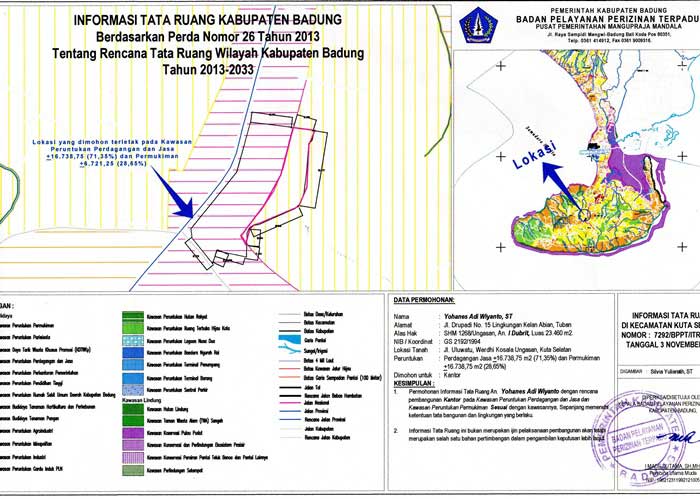
This comprehensive guide outlines how foreign investors can legally invest in land in Bali, covering zoning, title checks, access rights, due diligence, PBG and SLF requirements, and licensing pathways. TraceWorthy’s approach integrates Indonesian regulatory compliance with practical field structuring to ensure your investment is enforceable and permitted.
-

Cost of Hiring a Foreign Employee in Indonesia
Foreign hiring decisions are rarely isolated. They carry forward into payroll, governance, tax records, and investor perception. TraceWorthy structures foreign employment as part of a wider system—not as an individual appointment. This article details how records, responsibilities, and exposure are created with each hire.
-
Common Failures and Their Structural Consequences
Foreign-owned companies in Indonesia face compounding risks when payroll compliance is misaligned with statutory obligations. This article outlines failures in BPJS registration, THR entitlements, WLKP reporting, and PPh 21 payroll tax calculation—highlighting how discrepancies trigger audits, disrupt licence renewals, and affect shareholder returns. Learn how TraceWorthy addresses Indonesian payroll compliance as a structural, legal function.
-

Inconsistent Advice from Consultants in Indonesia
Foreign investors in Indonesia often receive contradictory advice from consultants working without structural alignment. This article examines how fragmented guidance affects business setup, and how TraceWorthy builds integrated legal, financial, and governance systems to prevent future obstruction.
-

Four Ways TraceWorthy Stabilises Decision-Making Under Pressure
In pressured negotiations and fast-moving boardrooms, decisions often outpace structure. This article outlines how TraceWorthy stabilises decision-making while momentum builds — and why timing, structure, and alignment matter before signatures are inked.
-

The Heart of the Matter
For Tracy Wilkinson, naming a business that matters was never branding — it was survival, alignment, and structure. TraceWorthy is what emerged when nothing less would do.
-

The Bandwagon Effect: Rethinking Foreign Investment in Bali’s Property Market
“The voice of the masses does not always speak the voice of reason.” C. Rudolph Barlow When a market trend becomes visible enough, it stops being questioned. The Bali short-term rental market is a prime example. What once appeared to be a niche opportunity has become a default ambition. Foreign nationals, particularly first-time investors, continue…
-

Do You Have the Cart Before the Horse?
When a container ships before a PT PMA exists, the business has moved without structure. This article maps out what must be in place before importing into Indonesia begins.