

Part of the series: Bali Property Compliance
- SLF, KBLI 2025, and Short-Stay Villas
- Nominee Arrangements in Property Monetisation
- KBLI 2025 and Your PT PMA: What Is Now Live and What You Must Verify
- Indonesia Residence Pathways: A Decision Framework for Foreign Nationals Planning Long-Term Stays
- Property Acquisition in Bali: A Due Diligence Framework for Foreign Nationals
- PT PMA Restrictions in Bali: Why the Property Workarounds No Longer Work
- Foreign Land Ownership in Bali: The Lines a Lawful Structure Will Not Cross
This article addresses two specific use cases: foreign nationals acquiring residential property in Bali for personal occupation, and foreign nationals acquiring residential property to rent in the long-term residential market. The short-term accommodation market is governed by a separate and distinct regulatory framework and is not addressed here.
The property transaction process that a foreign national recognises from their home country: independent legal representation for both parties, registered easements, documented utility rights, title insurance, building and pest inspections, a structured settlement period, and a conveyancing system designed to protect buyer and seller. This framework does not exist in the same form in Indonesia. Each of those protections was created because the legal system in which it operates identified the risk it prevents. In Indonesia, the same risks exist. The protections are not automatic, are not always available, and are frequently not provided by the intermediaries the foreign buyer assumes are responsible for them.
The Indonesian property market is not uniquely hazardous. Every legal system produces a transaction environment shaped by its own history, land tenure structures, and governance arrangements. The problem specific to Bali is that a significant number of foreign nationals proceed through a property transaction with assumptions formed by a different legal environment entirely. The intermediaries they encounter, whether real estate agents or vendor-introduced notaries, have no structural obligation to correct those assumptions. The result is not fraud in most cases. The result is an inadequately informed buyer who discovers, after commitment, that the due diligence conducted on their behalf did not cover the most consequential dimensions.

This article identifies those dimensions.
What a Foreign National Can Lawfully Own
The starting point in any residential property transaction in Bali is the ownership structure, because the structure determines the rights available, the compliance obligations that follow, and the security of the position over time.
Foreign nationals cannot own freehold land in Indonesia. Hak Milik (SHM, Freehold Title) is reserved for Indonesian citizens under the Basic Agrarian Law (Undang-Undang Pokok Agraria No. 5 of 1960). No arrangement permits a foreign national to own SHM land. Nominee structures, where an Indonesian citizen registers SHM title on a foreigner’s behalf, are characterised under Indonesian law as penyelundupan hukum (circumvention of law), are treated as void by Indonesian courts, and are unenforceable. A foreign national in a nominee arrangement has no legal remedy if the Indonesian nominee exercises the full rights the SHM certificate confers. The investment is lost without recourse.
Three lawful structures are available to foreign nationals seeking residential property in Bali. Hak Sewa (Leasehold) grants exclusive use rights for the defined lease period; the land remains the owner’s and reverts at expiry. Hak Pakai (Right to Use) is available to foreign nationals who carry a valid KITAS or KITAP, for personal residential use only, at one property, and subject to a minimum property value threshold under the applicable regulation. Hak Guna Bangunan (HGB, Right to Build) can be held by a PT PMA as a registered legal entity.
Each of these structures carries different rights, different durations, different costs, and different ongoing compliance obligations. The choice determines whether the buyer is acquiring personal rights tied to their immigration status, contractual rights tied to a lease term, or corporate rights tied to a PT PMA’s regulatory compliance position. That choice must be made at the outset, with full understanding of what each structure requires and what it cannot provide.
Strata Title and the Apartment Market
Indonesian national law provides a mechanism through which eligible foreign nationals can own apartment units under a strata title framework. Under Government Regulation No. 18 of 2021, a foreign national who carries a valid KITAS or KITAP may acquire a Hak Pakai Satuan Rumah Susun (HPSRS, Right to Use over an Apartment Unit) in a building constructed on Hak Pakai land. The land beneath the building remains under a master title registered to the developer or building management entity; the foreign buyer acquires registered ownership rights to the individual unit. The duration of the HPSRS follows the underlying Hak Pakai land title, extendable and renewable to a potential total of 80 years.
This framework exists in Indonesian national law. Bali does not have the category of registered strata title apartment stock to which it applies.
The HPSRS mechanism requires a Satuan Rumah Susun (Sarusun, Apartment Unit) in a building classified as a Rumah Susun (Rusun, Apartment Building) constructed on Hak Pakai land and registered with Badan Pertanahan Nasional (BPN/ATR, National Land Agency) as a strata title development. Bali’s property market is composed overwhelmingly of landed property: villas, houses, and land parcels. The apartment and condominium building stock to which the strata title registration framework applies does not exist in Bali in any meaningful form.
A foreign national who encounters marketing material describing an apartment or condominium purchase in Bali as a form of ownership must verify the actual title structure being offered before any commitment is made. Transactions of this type in Bali are in practice structured as Hak Sewa (Leasehold) arrangements. The buyer acquires contractual use rights over the unit for the lease period, which is a different legal instrument from registered strata title ownership.
The practical consequence for a foreign buyer whose home-country experience equates apartment purchase with strata title ownership is significant. Strata title ownership produces a registered property right that can be mortgaged, inherited, and resold. A leasehold apartment unit produces contractual use rights for the lease term. These differ in their security, their duration mechanics, their exit options, and their value as collateral. A buyer who proceeds on the assumption that they are acquiring strata title, and who later discovers they have acquired a leasehold, has entered a transaction of a materially different character than they understood at the time of commitment.
The Hak Pakai and Immigration Dependency
Hak Pakai acquired for personal residential use is directly tied to the foreign national’s KITAS or KITAP. If the permit expires, is cancelled, or lapses without renewal, the Hak Pakai title must be divested within one year. A foreign national whose Investor KITAS depends on a PT PMA whose compliance position has deteriorated owns a residence title whose security is coupled to the corporate compliance chain underneath it. These dependencies are structural and are not visible to a buyer examining only the property certificate itself.
Water, Utilities, and the Bukit
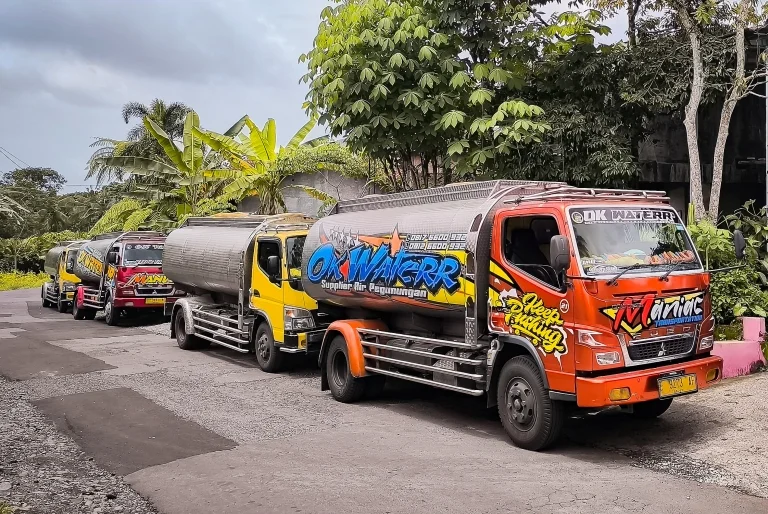
The Bukit Peninsula, covering Uluwatu, Pecatu, Bingin, Ungasan, and the surrounding clifftop areas, sits on a dry limestone plateau. PDAM, Bali’s regional water utility, does not supply piped water to most of the Bukit. Properties in this area rely on water trucking, rainwater harvesting, deep wells, or combinations of these approaches. A buyer acquiring a property in the Bukit who has not investigated the specific water supply mechanism is acquiring an asset whose operating costs include a variable, fuel-indexed input that the transaction documents do not disclose.
Trucked water costs rise with petrol prices. As development density in the Bukit increases and fuel costs change, the cost trajectory for properties dependent on water trucking is not a stable operating assumption. For a residential rental investor, this is an ongoing operational liability calibrated to factors outside the investor’s control.
The Bukit is the most acute example of a broader island condition. Environmental research institutions working in Bali, including the Institut IDEP Selaras Alam Foundation in collaboration with the Politeknik Negeri Bali, have reported that the island’s natural freshwater aquifers have declined to less than 20% of their undisturbed capacity. Seawater intrusion into depleted aquifer systems has been recorded across 36 coastal areas around the island. At a press conference in July 2024, the Chief Executive of the IDEP Selaras Alam Foundation described the water shortage as the principal challenge confronting Bali, attributing the deteriorating position to the rapid expansion of tourism and residential development across southern Bali and its sustained pressure on groundwater extraction. Once saltwater intrusion is established in a coastal aquifer, the affected system cannot return to its prior condition without intervention that is technically demanding and expensive. A well producing clean water at the time of due diligence may not produce it reliably across the full term of a lease or ownership period.
Sewage infrastructure outside Denpasar and Sanur is not a reticulated municipal system. Septic capacity and condition require individual assessment for each property. Electricity connection through PLN is available across most developed areas; connection security, load stability, and the cost of generator backup vary materially by location and infrastructure vintage. Internet connectivity, which directly affects rental yield expectations for long-term tenants who work remotely, drops in speed and reliability in areas outside the main corridors, including parts of North Bali, Tabanan, and the outer Bukit.
Every due diligence engagement must include a specific investigation of water source, water cost, sewage provision, electricity connection reliability, and internet infrastructure before any commitment is made.
Access and Easements
Indonesia does not operate a registered easement system equivalent to those recognised in Australian, British, European, or North American property law. There is no Indonesian legal mechanism equivalent to a registered right of way or a registered access easement that is independently searchable and enforceable against any future owner of the burdened land.
Access to a property through a gang (lane), across a neighbouring parcel, or via a road serving multiple landholdings is typically governed by verbal agreement, longstanding custom, or the tolerance of a neighbouring owner. None of these arrangements constitutes a registered right. A neighbouring landowner who sells, a dispute between heirs, a change in community relations, or a simple withdrawal of permission can render a property effectively landlocked. The property’s title certificate will be unaffected by any of these events. The access will be gone.

A thorough due diligence engagement must include a specific physical investigation of the access route to every property: which land the access crosses, who owns it, whether any documented arrangement governs that access, whether that arrangement would be enforceable against a successor owner, and what the position would be if the current arrangement were no longer available. This investigation is not conducted as part of the standard notarial process and must be commissioned and performed independently.
Adat, the Banjar, and Customary Obligations
Bali’s customary governance structure operates alongside the formal state land system. The banjar (neighbourhood association) and the desa adat (customary village authority) exercise real influence over land use, transfer, and community acceptance of development and occupation in ways that a formal BPN title search will not identify.
A Sertifikat Hak Milik or other formal certificate confirms that the state recognises the recorded owner’s title. It does not confirm the absence of customary claims, community obligations attached to the land, or banjar-level restrictions on transfer, use, or the introduction of new occupants. Some land in Bali is associated with obligations arising from temple proximity under Balinese Hindu spatial philosophy (the Apeneleng buffer zone surrounding a pura), ancestral family arrangements (pusaka land), or the incomplete conversion of communal customary holding (tanah druwe desa) to individual registered title.
A buyer who verifies state title without engaging with the local customary governance context has addressed the formal component of due diligence and left the substantive component unaddressed. Disputes arising from undisclosed customary claims are a frequent source of protracted property litigation in Bali, and they are not resolvable by reference to the certificate alone. Community engagement, including consultation with the relevant banjar and desa adat, is a necessary component of due diligence for residential property in Bali.
The Title Quality Spectrum
All certificates do not represent the same quality of title. The spectrum runs from Hak Milik (SHM, available to Indonesian citizens only) through Hak Guna Bangunan (HGB, Right to Build, for legal entities including PT PMA) and Hak Pakai (Right to Use, for qualifying individuals) to legacy undocumented instruments including Girik, Letter C, and Petok D.
Girik and similar legacy instruments are historical records of occupation, not registered state title. Government Regulation PP 18/2021 required all Girik and undocumented legacy land to be converted to formal BPN-registered title. The conversion deadline has passed. Land that remains unconverted carries risk of competing claims from undisclosed heirs, gaps in the ownership chain, and conversion complications that can delay or prevent a clean transaction.
A full title search at the Badan Pertanahan Nasional (BPN/ATR, National Land Agency) is required for every transaction. The search confirms certificate authenticity, that the registered owner’s identity matches the seller, the absence of registered encumbrances (mortgages, liens, or disputes), and the dimensional accuracy of the certificate against the physical land. Where the ownership history includes inheritance, gifts, or informal sales, a review of the complete chain of title is required to confirm that all legal heirs have provided consent at each transfer point.
Zoning, Spatial Planning, and the KBLI Classification
Every property transaction must be preceded by an Informasi Tata Ruang (ITR, Spatial Planning Information) verification against the current Rencana Detail Tata Ruang (RDTR, Detailed Spatial Plan) for the relevant regency. The ITR confirms the designated land use zone for the property and determines what can lawfully be built, operated, or changed on the land. Kesesuaian Kegiatan Pemanfaatan Ruang (KKPR, Land Use Compatibility Confirmation) is required before any development or change of use proceeds.
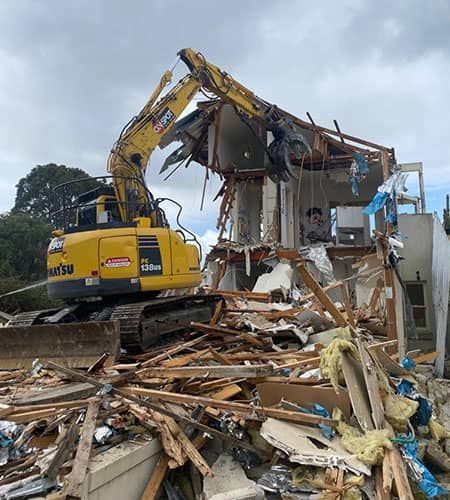
Green zones cannot be developed. Agricultural land protected under Government Regulation PP 12/2012 on Sustainable Agricultural Land Protection cannot be converted to residential use regardless of what a seller or agent represents. The July 2025 demolition of 48 structures at Bingin Beach for zoning violations illustrates the enforcement position. A buyer acquiring property in a zone incompatible with the intended residential use acquires a non-performing and potentially non-remediable position.
For the long-term residential rental investor operating through a PT PMA, the KBLI classification the entity carries in its OSS registration is a compliance dimension attached to the property’s rental activity. BPS Regulation No. 7 of 2025 split the previously undifferentiated KBLI 68111 code into three distinct codes under the KBLI 2025 framework. A PT PMA holding and renting residential property to long-term tenants requires KBLI 68112 (Rental and Operation of Owned or Leased Residential Buildings and Land) rather than the old KBLI 68111. The migration deadline for all entities to align their OSS classification with KBLI 2025 is 18 June 2026. A PT PMA that has not completed this migration or that carries the wrong KBLI code for its rental activity is operating under a mismatched classification, with licensing and compliance risk attached.
The Notary’s Function and the Advice Gap
An Indonesian Notaris and Pejabat Pembuat Akta Tanah (PPAT, Land Deed Official) verifies the correct execution of legal documents and registers the transaction at BPN. The notary confirms that the parties are identifiable, that documents meet formal requirements for execution, and that the transaction is recorded with the land registry. This is a civil-law notarial function.
The scope of that function is narrower than many foreign buyers assume. Physical inspection of the property, verification of the access route, assessment of the water supply position, investigation of customary or adat claims, audit of the building permit status, and independent representation of the buyer’s commercial interests all fall outside it. A buyer whose home-country experience is of a conveyancing process that includes some or all of these elements will find them absent from the Indonesian notarial process unless they are specifically commissioned from a separate provider.
The conflict of interest dimension compounds this structural gap. In many Bali residential transactions, the notary is introduced to the buyer by the real estate agent or the landowner. A notary with an existing professional or commercial relationship with the introducing party operates within a structure that does not require independence from the vendor’s interest. This is a description of the incentive architecture, not an attribution of improper conduct. The practical consequence for the buyer is that the intermediary they encounter as a neutral party may have pre-existing relationships that preclude the independence the buyer assumes.
Independent legal and due diligence advice, engaged directly by the buyer and not introduced through the transaction chain, is the structural protection that the notarial process does not supply.
Transaction Costs
The headline price of a property in Bali is not the total cost of acquisition.
The applicable tax structure depends on the ownership form being acquired.
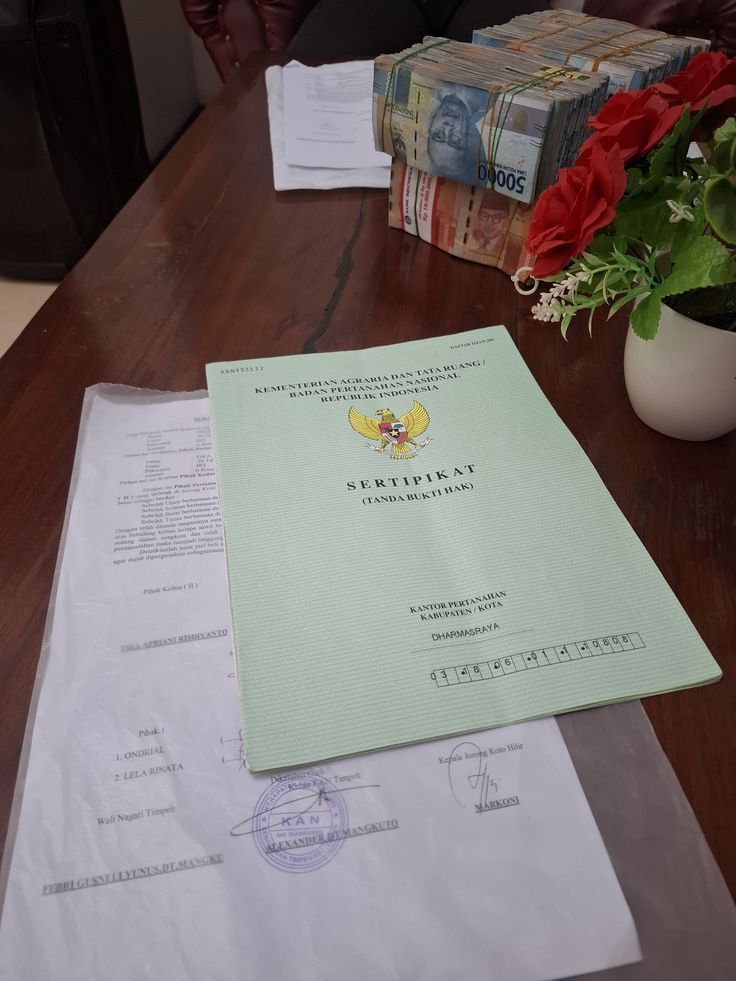
For registered land right transfers, whether Hak Pakai (Right to Use) or Hak Guna Bangunan (HGB, Right to Build) held through a Perseroan Terbatas Penanaman Modal Asing (PT PMA, Foreign Capital Investment Limited Liability Company), Bea Perolehan Hak atas Tanah dan Bangunan (BPHTB, Land and Building Acquisition Duty) is payable by the buyer at up to 5% of the transaction value, calculated against the higher of the declared value or the government-assessed property value (NJOP). Pajak Penghasilan Final (PPh Final, Income Tax on the Sale) at 2.5% of the declared transaction value is payable by the seller; in many Bali transactions this cost is absorbed by the buyer as part of the negotiated position.
For leasehold transactions, the tax structure differs in two material respects. The lessee does not pay BPHTB, because Hak Sewa (Leasehold) is a contractual arrangement rather than a registered land right transfer. The lessor (Indonesian landowner) is subject to Pajak Penghasilan (PPh, Income Tax) at 10% of the total declared lease value, under Government Regulation PP 34/2017. For a ten-year leasehold with a total declared value of IDR 5 billion, the lessor’s PPh obligation is IDR 500 million, payable on the transaction. A lessor without an Indonesian tax number (Nomor Pokok Wajib Pajak, NPWP) faces a higher rate of 20% on the same transaction base.
The lessor’s PPh obligation is not automatically visible to a foreign buyer, and its allocation between the parties is a negotiation point. A lessor facing a 10% tax liability on the full declared lease value has a financial incentive to understate the declared value. An understated declaration places the transaction in a structurally weaker position for the buyer and creates a compliance exposure for both parties. A buyer who is unaware that this tax exists cannot assess whether the agreed lease price reflects the lessor’s tax position or manage the consequent risks.
Notary and PPAT fees range from 0.5% to 2.5% of the transaction value. Pajak Bumi dan Bangunan (PBB, Annual Land and Building Tax) is payable on an ongoing basis from the acquisition date.
For properties acquired through a PT PMA, the entity’s ongoing compliance obligations, covering quarterly LKPM filings, annual reporting under Permenkum 49/2025, KBLI 2025 migration, tax filings, and BPJS contributions, are operational costs of the ownership structure. They do not appear in the property purchase price and are not disclosed in a standard agent-led transaction.
Total acquisition costs for a residential property transaction in Bali commonly reach 7 to 12 percentage points above the stated purchase price. A residential rental investor who models yield against the headline price without a full cost structure, including the ongoing compliance costs of the PT PMA where relevant, will produce an investment model that does not reflect the actual position.
Building Permits and the Occupancy Certificate
Izin Mendirikan Bangunan (IMB, Building Permit), the building permit instrument under which most existing buildings in Bali were authorised, was replaced by the Persetujuan Bangunan Gedung (PBG, Building Approval) under Government Regulation PP 16/2021. Sertifikat Laik Fungsi (SLF, Occupancy and Safety Certificate) is the occupancy and safety certificate required before a building can be legally occupied.
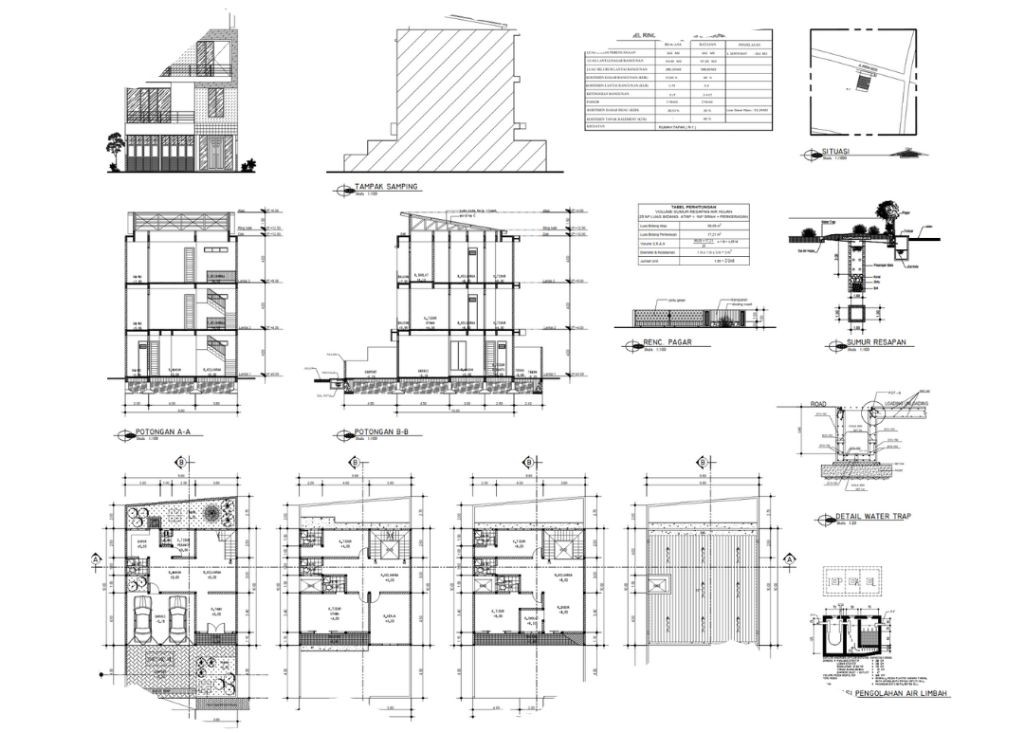
A significant proportion of existing residential properties in Bali were constructed under residential IMBs that have not been converted to PBG status. Many properties lack an SLF entirely. A buyer who acquires a property with an outstanding permit gap acquires the associated liability: exposure to administrative enforcement action, potential remediation costs, and a disclosure obligation that affects the property’s future saleability. The permit and certificate status must be verified as part of due diligence. The existence of a land title certificate does not indicate or confirm the existence of valid building permits or an occupancy certificate.
The PPJB and Deposit Exposure
Perjanjian Pengikatan Jual Beli (PPJB, Preliminary Sale and Purchase Agreement) is the instrument against which deposits are paid in Indonesian property transactions. The PPJB is not the title transfer. Akta Jual Beli (AJB, Title Transfer Deed) is the actual title transfer instrument, and it cannot be executed until the seller presents clear, transferable title with all required permits and consents in place.
In staged transactions, off-plan sales, and sales of land that has not yet been subdivided, the AJB is frequently deferred because the seller’s title position is not yet complete. A buyer who has signed a PPJB and paid a deposit against a property whose seller cannot yet effect a title transfer is in an unsecured position for the duration of that gap. The deposit is exposed if the seller becomes insolvent, the transaction does not proceed to completion, or the title issues preventing AJB execution are not resolved.
The PPJB must be reviewed by independent legal counsel before it is signed and before any deposit is paid. This review is not a step that the agent-introduced notary is positioned to provide.
Conclusion
The risk categories in this article are present in property markets around the world. Title disputes, access problems, inadequate utilities, permit gaps, and cost miscalculation are not unique to Bali. Across Indonesia, the transaction infrastructure that addresses these risks automatically in many other jurisdictions. Registered easements, independent conveyancing solicitors, mandatory building inspections, title insurance, and structured disclosure frameworks each exist in their respective home jurisdictions because experience demonstrated a need for them.
In Bali, the required protections exist. They are not automatic and are not provided by the standard agent-led transaction process. They must be specifically commissioned, independently engaged, and applied at every stage from site selection through to title transfer.
Contact TraceWorthy to structure your due diligence engagement before making any commitment on residential property in Bali. TraceWorthy performs full land due diligence, covering title search, ITR and RDTR verification, physical access investigation, utility assessment, adat and community engagement, and permit status review, because the notarial process does not.
Glossary
| Indonesian Term | Abbreviation | English Translation or Explanation |
|---|---|---|
| Akta Jual Beli | AJB | Title Transfer Deed; the notarial instrument that effects the legal transfer of land rights from seller to buyer; cannot be executed until the seller has clear and complete title and all required permits are in place |
| Badan Pertanahan Nasional / Agraria dan Tata Ruang | BPN/ATR | National Land Agency; the government authority responsible for land registration, certificate issuance, and title searches; now formally the Ministry of Agrarian Affairs and Spatial Planning |
| Banjar | Balinese neighbourhood association; a unit of customary governance with authority over local community affairs, land use, and social obligations that may affect property transactions | |
| Bea Perolehan Hak atas Tanah dan Bangunan | BPHTB | Land and Building Acquisition Duty; typically 5% of the transaction value; payable by the buyer |
| Desa Adat | Customary village authority in Bali; exercises governance over traditional land, communal obligations, and community acceptance of development and new occupants | |
| Hak Guna Bangunan | HGB/SHGB | Right to Build; a title that can be held by legal entities including PT PMA; allows construction and use of buildings on the land for a defined period, extendable and renewable |
| Hak Milik | SHM | Freehold Title; the highest form of land ownership in Indonesia; available exclusively to Indonesian citizens under the Basic Agrarian Law; cannot be held by foreign nationals under any arrangement |
| Hak Pakai | SHP | Right to Use; available to foreign nationals who carry a valid KITAS or KITAP, for personal residential use only, limited to one property; tied directly to the validity of the associated residence permit |
| Hak Sewa | Leasehold; grants exclusive use rights for a defined period; the land remains the owner’s and reverts at the end of the lease term | |
| Informasi Tata Ruang | ITR | Spatial Planning Information; the official zoning designation for a specific land parcel; must be verified against the current RDTR before any property commitment is made |
| Izin Mendirikan Bangunan | IMB | Building Permit under the previous regulatory framework; replaced by PBG under PP 16/2021; many existing buildings in Bali were constructed under IMB and have not been updated to PBG |
| Kesesuaian Kegiatan Pemanfaatan Ruang | KKPR | Land Use Compatibility Confirmation; required before any development, construction, or change of use proceeds |
| Klasifikasi Baku Lapangan Usaha Indonesia | KBLI | Indonesian Standard Industrial Classification; for PT PMA entities holding residential rental property, the correct classification under KBLI 2025 (BPS Regulation No. 7 of 2025) is KBLI 68112 (Rental and Operation of Owned or Leased Residential Buildings and Land) |
| Notaris / Pejabat Pembuat Akta Tanah | Notaris/PPAT | Notary and Land Deed Official; verifies correct execution of legal documents and registers the transaction at BPN; does not conduct physical due diligence, access verification, or independent buyer representation |
| Pajak Bumi dan Bangunan | PBB | Annual Land and Building Tax; payable from the acquisition date |
| Pajak Penghasilan Final | PPh Final | Final Income Tax on property sales; typically 2.5% of the transaction value; payable by the seller; frequently absorbed by the buyer in negotiation |
| Penyelundupan Hukum | Circumvention of Law; the legal characterisation applied by Indonesian courts to nominee arrangements under which a foreign national uses an Indonesian citizen’s name to register SHM title; such arrangements are void and unenforceable | |
| Perseroan Terbatas Penanaman Modal Asing | PT PMA | Foreign Capital Investment Limited Liability Company; the legal entity through which foreign nationals may acquire HGB title for residential property; subject to ongoing compliance obligations including LKPM quarterly reporting, annual reporting, and KBLI 2025 migration |
| Perjanjian Pengikatan Jual Beli | PPJB | Preliminary Sale and Purchase Agreement; the instrument against which deposits are paid; does not transfer title; leaves the buyer in an unsecured position until the AJB is executed |
| Persetujuan Bangunan Gedung | PBG | Building Approval; replaced the IMB under PP 16/2021; required for any building to be lawfully constructed or operated |
| PDAM | Perusahaan Daerah Air Minum; the regional water utility; does not supply piped water to significant parts of the Bukit Peninsula and other areas of Bali dependent on trucked or extracted water | |
| Rencana Detail Tata Ruang | RDTR | Detailed Spatial Plan; the operative zoning map at regency level; determines what land use and development is permitted for each zone |
| Sertifikat Laik Fungsi | SLF | Building Occupancy and Safety Certificate; required before a building can be legally occupied; frequently absent from existing residential properties in Bali |
| Sertifikat Hak Milik | SHM | Certificate of Freehold Title; see Hak Milik |
| Hak Pakai Satuan Rumah Susun | HPSRS | Right to Use over an Apartment Unit; the mechanism under Government Regulation No. 18 of 2021 through which foreign nationals with KITAS or KITAP may carry registered rights to an individual apartment unit in a building constructed on Hak Pakai land; not operationally available in Bali where the required class of registered strata title apartment developments does not exist |
| Satuan Rumah Susun | Sarusun | Apartment Unit; the individual unit within a Rumah Susun building to which strata title rights attach |
| Rumah Susun | Rusun | Apartment Building; the class of multi-unit residential building to which Indonesia’s strata title registration framework applies; this building type and its associated title structure is not present in Bali’s property market in any meaningful form |