

Part of the series: Beyond Tourism
- Bali 2036: Growth Alone Will Not Protect Your Business
- Beyond Tourism: Bali Needs Waste Solutions
- Beyond Villas: Trade and Distribution in Bali
- Beyond Bali: Infrastructure and Built-Environment Services as Foreign Investment in Indonesia
- Beyond Beach Clubs: Creative Production, Events, and Destination Experiences as Foreign Investment in Indonesia
- Beyond Tourism: The Blue Economy in Indonesia – Marine and Fisheries Investment
- From Ingredient to Invoice: Food and Beverage Production as a Foreign Investment in Indonesia
- Teaching Without Permission: Lawful Entry into Indonesia's Education and Skill-Transfer Sector
- Built to Scale: Sports and Recreation Investment in Indonesia
- Clean by Design: Water Treatment, Refill, and Wastewater Enterprises in Indonesia
- The Sexiest Cow in Bali: Turning Business Waste Into a Product
Bali’s aquifers are depleting at a rate that water researchers describe as accelerating. The island’s wastewater infrastructure processes less than ten per cent of the waste it generates. The average tourist uses between 2,000 and 4,000 litres of water per day. Water treatment, greywater recovery, rainwater harvesting, and wastewater management are commercially significant investment categories in Indonesia, and in Bali they carry environmental urgency that the investment case alone does not fully convey. This article maps the regulatory architecture for each enterprise type, with Mud Sustainable Homes as the named construction enterprise through which TraceWorthy’s advisory experience in this sector is illustrated.
The Water Position That Makes This Sector Commercially Compelling
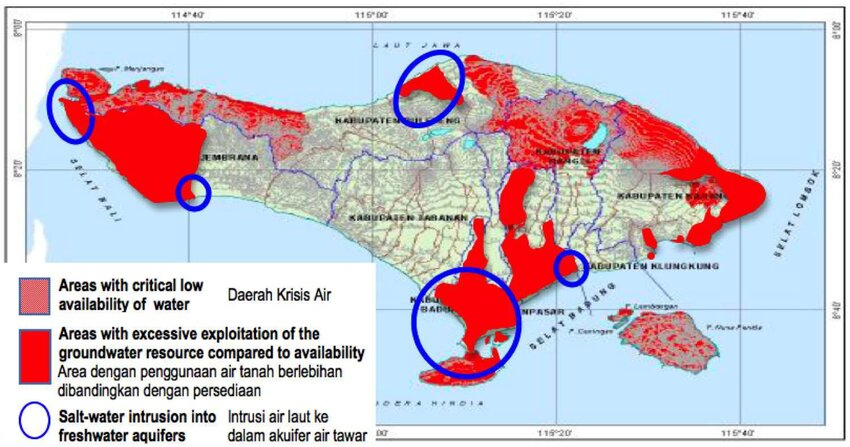
In less than ten years, groundwater levels in Bali have dropped by over 50 metres in some areas, causing community wells to dry up or become contaminated with saltwater intrusion from the coast. Indonesia’s Bureau of Statistics projected that Bali’s clean water demand would reach 7,991.29 litres per second by 2025, up from 5,951.92 litres per second in 2021. That projection was a 2025 baseline; in 2026, demand has continued to grow alongside Bali’s population and its tourism economy. Wastewater management on the island is estimated to treat less than ten per cent of the waste it currently generates, with the remainder entering rivers, canals, and the coastal zone.
The tourism sector is the dominant driver of the supply pressure. The average visitor to Bali uses between 2,000 and 4,000 litres of water per day, a consumption rate that reflects the service demands of hotels, villas, restaurants, spa facilities, and pool maintenance. Hotels and tourism properties collectively account for the largest share of Bali’s groundwater extraction, much of it drawn without authorisation. In 2022, 1,646 companies in Bali were documented as operating without a groundwater extraction permit. The number of individual dwellings and small commercial properties in the same position is substantially higher.
The Bali provincial government and local researchers have responded with a planned programme of 136 gravity-fed groundwater recharge wells across identified high-priority intervention zones, modelled on systems that have restored aquifer levels in drought-affected regions of India within three to five years. The government has also invested in sewage treatment infrastructure through the Denpasar Sewerage Development Project, progressively connecting hotels, restaurants, and residential properties in the Denpasar, Kuta, and Sanur areas to a centralised treatment system. These interventions represent public investment in a problem that private enterprise is also positioned to address through ecologically integrated construction and water treatment operations.
An investor entering the water management sector in Bali enters a market where demand for capture, treatment, and recycling infrastructure is structural rather than seasonal. The regulatory and approval requirements for water-related enterprise in Indonesia are more sequentially demanding than most other investment categories. Missequencing them carries consequences measured in project delays, permit voids, and in the most serious cases, enforcement action on infrastructure already built.
Two Enterprise Types in One Sector
The water management sector in Indonesia produces two distinct enterprise types that are commercially related, often physically connected, and entirely different in their regulatory and corporate structure requirements.
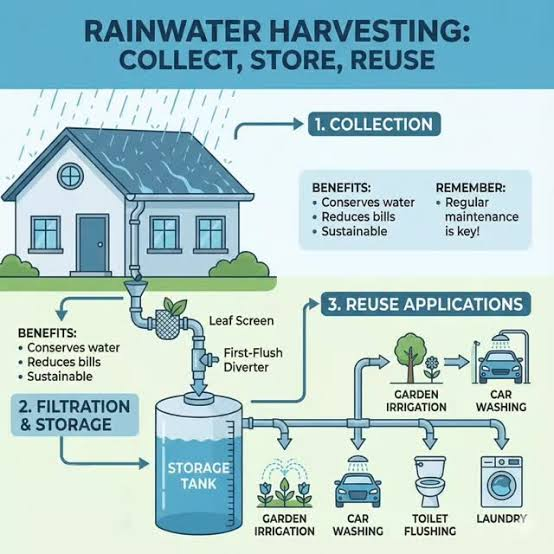
The construction enterprise designs, builds, and commissions water management systems. Its product is a completed, installed, and functioning infrastructure delivered to a client. Its regulatory position is that of a construction company operating under the Klasifikasi Baku Lapangan Usaha Indonesia, or KBLI (Standard Indonesian Business Classification), Category F, subject to the environmental approval sequence that applies to construction on any site, with additional environmental obligations where the construction involves water infrastructure on ecologically sensitive land.
The operations enterprise runs a water-related business after the infrastructure has been built. A water supply operation, a water refill depot, or a wastewater treatment facility each falls under Category E of the KBLI 2025 framework, specifically the water supply, waste management, and remediation activities grouping. Each has a specific five-digit KBLI code, a specific risk classification under Government Regulation 28 of 2025, and a specific permit sequence that differs from the construction enterprise entirely.
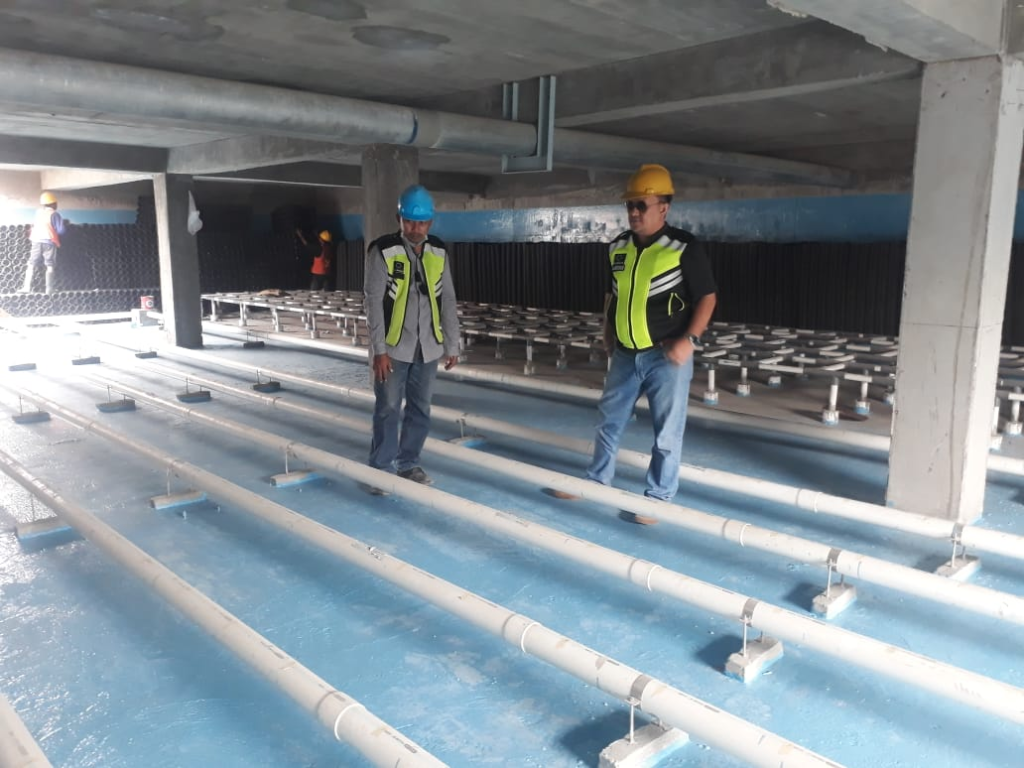
A foreign investor who builds a water treatment system and then operates it is running two distinct regulatory positions from within a single corporate structure, typically a Perseroan Terbatas Penanaman Modal Asing, or PT PMA (Foreign Capital Investment Limited Liability Company). A developer who builds the systems and delivers them to clients who then operate them is operating only the construction position. Both are valid commercial models. Neither is manageable without confirming which KBLI codes apply, which entity structure carries which activity, and which approval sequence must be completed before operations begin.
The Construction Enterprise: Mud Sustainable Homes
Mud Sustainable Homes is a Bali-based development company that designs, builds, and commissions communal eco-villages and ecologically sensitive residential developments. Its work includes sewage treatment systems, greywater capture, treatment, and irrigation infrastructure, and rainwater harvesting systems integrated into the construction of the developments it delivers. Mud Sustainable Homes commissions and completes these systems, then delivers the finished development to clients who operate the infrastructure.
TraceWorthy provides legal and financial advisory services to Mud Sustainable Homes. The advisory scope covers the PT PMA corporate structure, KBLI verification for the construction and specialist works activities, environmental compliance coordination during the development process, land due diligence for development sites, and the agreement frameworks that govern the relationship between the PT PMA and the clients who commission and then operate its developments.
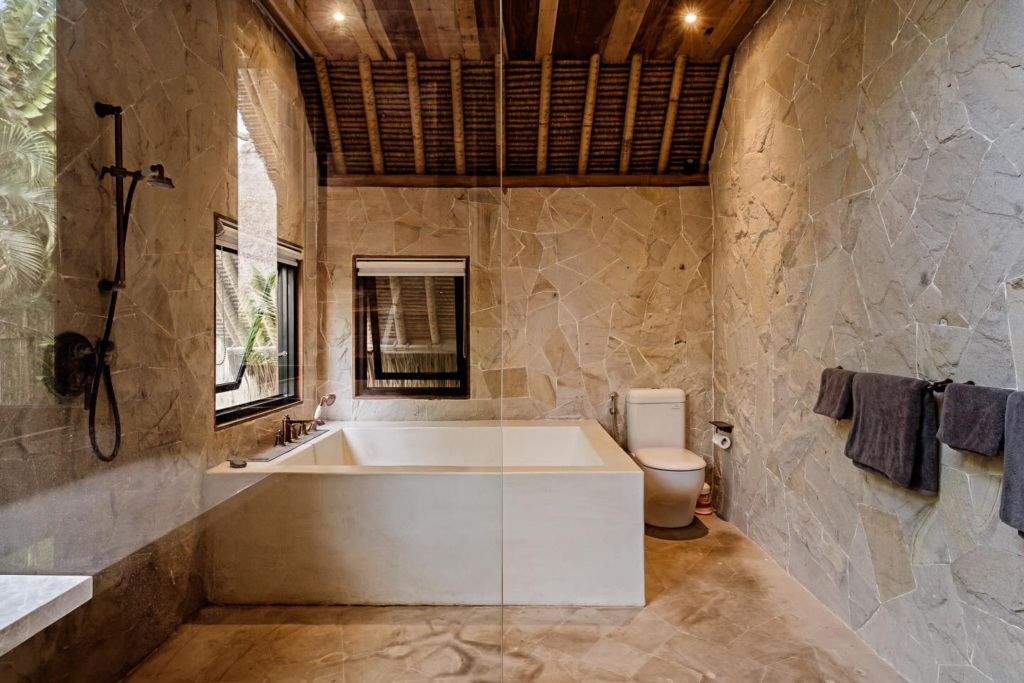
The commercial model Mud Sustainable Homes represents is increasingly relevant to a Bali property development market where the regulatory environment is tightening around environmental impact. A development that integrates sewage treatment, greywater recovery, and rainwater capture into its construction design brings commercial value that extends beyond the green credential it signals. The water infrastructure is engineered to reduce the development’s draw on the municipal supply, reduce its contribution to the wastewater stream that Bali’s treatment infrastructure cannot process, and reduce the risk of regulatory enforcement that follows when a development’s water management is inadequate.
The legal and compliance advisory that supports an enterprise like Mud Sustainable Homes extends across construction law, environmental approvals, land due diligence, and the specialist contract drafting that system delivery and commissioning require. The construction agreements between Mud Sustainable Homes and its commissioning clients must define the scope of the systems delivered, the performance standards those systems must meet, the commissioning and sign-off process, the point at which operational responsibility transfers to the client, and the liability allocation when system performance falls short of specification. TraceWorthy drafts these agreements from first principles, defining system scope, performance standards, commissioning sequence, responsibility transfer, and liability allocation with the precision that the Mud Sustainable Homes commercial model requires.
Enterprise Models from Client Practice: Biosystems Indonesia and Amanaid
Mud Sustainable Homes represents the build-and-transfer model: the enterprise constructs the infrastructure and delivers it to a client who then operates it. Two further commercial models within the same sector illustrate the range of positions available to a foreign investor and the capital structure implications each carries.
Biosystems Indonesia: the asset ownership and O&M model
Biosystems Indonesia is a Bali-headquartered enterprise founded in 1996 that designs, constructs, and manages advanced water and wastewater treatment plants across Indonesia and Southeast Asia. Its client base spans hotels, resorts, mining operations, hospitals, and government and community infrastructure projects. The company has executed over 200 turnkey engineering, procurement, and construction contracts alongside operations and maintenance engagements. Client installations include the British and Australian Embassies in Jakarta, World Bank-funded projects in East Timor, and island community drinking water systems in the Maldives.
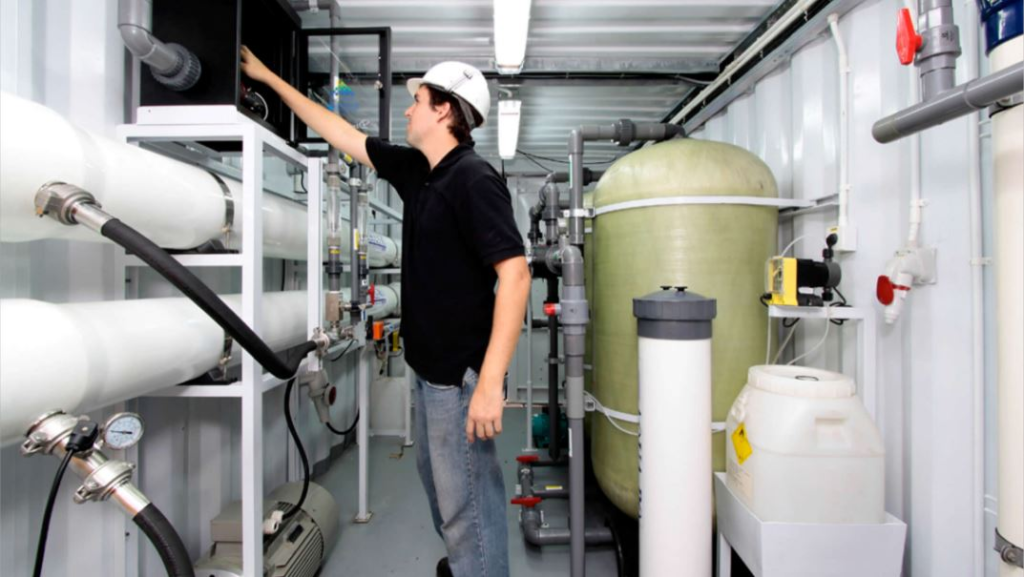
Biosystems owns the treatment plants it installs at client sites and operates them under long-term operations and maintenance agreements. Revenue flows from service fees rather than equipment sales. The company’s capital assets remain on its own balance sheet regardless of where they are deployed.
TraceWorthy was engaged to conduct pre-IPO due diligence on Biosystems, covering the company’s compliance position, financial condition, business strategy, and market expansion potential. The due diligence assessment identified a specific capital model risk. An enterprise that owns physical assets deployed at client sites across cyclical sectors is exposed to a withdrawal scenario: if an economic downturn reduces the commercial activity of the clients in which the assets are installed, those clients may terminate or suspend their contracts. The enterprise then carries the cost of retrieving, storing, and redeploying equipment against revenue that has contracted or stopped. The severity of that exposure depends on how concentrated the client base is in cyclically sensitive sectors and how readily the retrieved equipment can be redeployed to replacement clients.
Shortly after TraceWorthy reported this finding, COVID-19 produced precisely that outcome. Hotels and resorts, which formed a significant portion of Biosystems’ installed base, suspended operations across Indonesia. Equipment was returned. Revenue contracted sharply. The capital model risk the due diligence had identified was realised at scale and at speed that the hospitality sector’s near-total shutdown produced.
Biosystems has since recovered. By mid-2022 the company had an active tender pipeline valued at USD 9.5 million. It has since expanded its product range to include HACCP-standard drinking water bottling plants for remote island communities and extended its operational geography to the Philippines, Vietnam, Solomon Islands, Australia, Papua New Guinea, and Nigeria.
The Biosystems engagement illustrates a due diligence dimension that applies to any capital-intensive water treatment investment: the commercial model’s behaviour in a demand contraction scenario. A pre-investment assessment of a water treatment enterprise must include explicit analysis of asset ownership concentration, sector cyclicality in the client base, and the liquidity of the equipment if retrieval becomes necessary.
Amanaid: the manufacturer, distributor, and installer model
PT Amanaid is a water and wastewater treatment enterprise co-owned by Raja Panji, the Raja of Tabanan, whose role in the Tabanan downstream agricultural processing opportunity is described in the food and beverage article in this series. TraceWorthy became involved with Amanaid through its advisory relationship with Raja Panji and assisted in structuring an investment round, including facilitating the introduction of Shiva Industries as an investor.
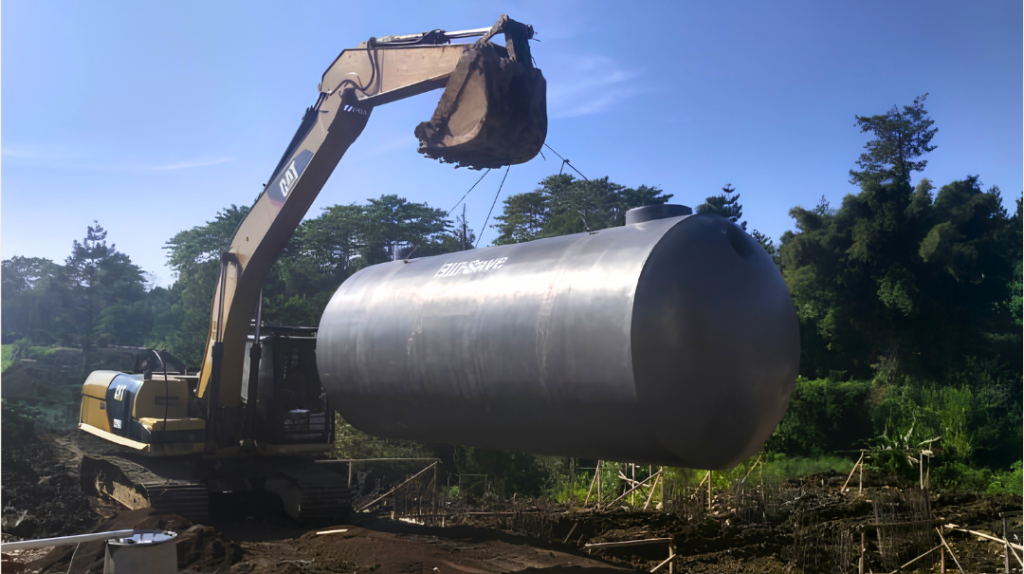
Amanaid’s commercial model combines product manufacture with technology distribution rights, installation, and ongoing maintenance. The company manufactures FRP modular wastewater treatment tanks under a 20-year tank warranty and installs wastewater treatment systems across hospitals, clinics, hotels, villas, restaurants, supermarkets, and airports. Completed installations span Sumatra, Java, Bali, Lombok, Sumbawa, Flores, and Sulawesi. Amanaid is registered with the Ministry of Environment Indonesia as an environmentally friendly product provider, listed on the Indonesian Government Electronic Catalogue (LKPP), a member of the Indonesian Wastewater Treatment Association (IPALINDO), and carries ISO 9001:2015, ISO 14001:2015, ISO 45001:2018, and OHSAS 18001:2007 certifications.
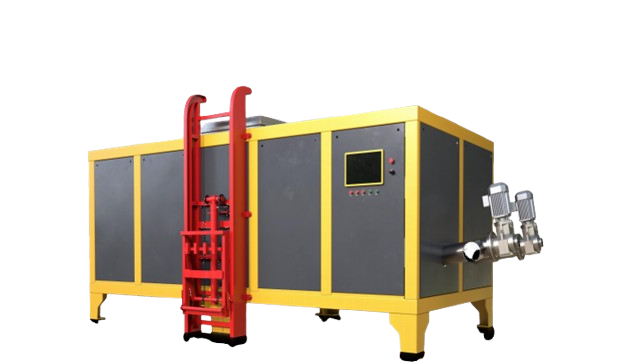
The Shiva Industries introduction subsequently led Amanaid to secure exclusive distributor rights in Indonesia for 301 (Shenzhen) Bio-environmental Co. Ltd, a Chinese environmental technology company. One of the distributed products is a food waste digester system for organic waste management. This product line extension is commercially significant: it positions Amanaid as a water and organic waste management enterprise whose client base in the hospitality, food service, and property management sectors generates both wastewater and solid organic waste streams requiring treatment. The hotel that installs an Amanaid wastewater treatment system becomes a natural candidate for the food waste management product.
The Amanaid engagement illustrates a different advisory dimension from the Biosystems engagement. Where Biosystems required capital model risk assessment for an investment readiness review, Amanaid required investment round structuring, investor introduction, and the commercial and legal due diligence that informs an equity transaction. The connection to Raja Panji also demonstrates how a long-term advisory relationship in one sector, in this case the agricultural and food production context described in the food and beverage article, generates advisory engagement in an adjacent sector through the same client relationship.
The Regulatory Sequence for Water Infrastructure Construction
Government Regulation No. 28 of 2025, or GR 28/2025, establishes a defined sequential gate for the approval of construction projects involving environmental impact. For water infrastructure projects, specifically sewage treatment systems, greywater treatment facilities, and rainwater harvesting infrastructure, the sequence is non-negotiable and must be completed in order.

The first step is the Kesesuaian Kegiatan Pemanfaatan Ruang, or KKPR, the spatial conformity confirmation that confirms the land use is compatible with the intended construction activity. For water treatment infrastructure, this means confirming that the land is zoned for the construction activity and that the water management use is consistent with the spatial planning designation for the site.
The second step is the environmental approval. For large-scale projects with significant environmental impact, this is an AMDAL (Analisis Mengenai Dampak Lingkungan, or Environmental Impact Assessment), which requires a full assessment of the project’s environmental consequences and a mitigation plan. For medium-scale projects, a UKL-UPL (Upaya Pengelolaan Lingkungan Hidup dan Upaya Pemantauan Lingkungan Hidup, or Environmental Management and Monitoring Effort) is the applicable instrument. The scale threshold and the specific environmental authority responsible for issuing the approval depend on the project location and the type of water infrastructure involved.


The third step is the PBG, the Persetujuan Bangunan Gedung or Building Approval, confirming that the planned construction meets building standards for its intended use.
The fourth step is the SLF, the Sertifikat Laik Fungsi or Certificate of Worthiness, issued following confirmation that the completed building meets the standards required for its operational use.

The business licence under GR 28/2025 can only be applied for after these four steps are complete. An investor who attempts to obtain the business licence before the environmental approval is in place will encounter the sequential gate that GR 28/2025 establishes: the OSS system will not process the application.
For a construction enterprise building water management infrastructure on ecologically sensitive land, the environmental approval step is the most compliance-intensive and the one that requires the most lead time. The AMDAL process in Indonesia involves public consultation requirements, specialist environmental assessment, government review, and ministerial or provincial approval depending on the project scale. For a development integrating sewage treatment and greywater systems in a location with environmental sensitivity, the AMDAL must be initiated well before the construction programme begins. The construction programme cannot begin before the AMDAL is approved.
Water Operations as Investment: Opportunities Beyond Tourism
The commercial operations enterprises in the water sector represent investment opportunities that the Bali market’s environmental position makes structurally attractive. TraceWorthy has the advisory capability to structure and licence each type, and introduces them here as categories whose investment case the environmental data supports.
Water supply operations under KBLI 36000 cover the collection, purification, and distribution of water for supply purposes. The code’s scope includes collection of rainwater, purification for supply or provision purposes, water treatment for industrial and other uses, and desalination. Foreign investment in this category is open to a PT PMA. A commercial enterprise that collects rainwater, treats it to potable or non-potable standard, and distributes it to residential or commercial clients in areas where municipal water supply is insufficient operates within this classification. The environmental approval and the water source documentation requirements are the primary compliance dimensions beyond the standard PT PMA establishment and NIB (Nomor Induk Berusaha, Business Registration Number) sequence through the OSS (Online Single Submission) system.
Water refill depot operations under KBLI 11052, the Industri Air Minum Isi Ulang classification, cover the production of directly consumable drinking water through filtration and purification processes at a depot facility. Under GR 28/2025, KBLI 11052 carries a medium-high risk classification. This means the enterprise requires a NIB, a Standard Certificate (Sertifikat Standar), and a PB UMKU (Perizinan Berusaha Untuk Menunjang Kegiatan Usaha, Business Activity Supporting Licence) in addition to the standard environmental and building compliance sequence.
Beyond the OSS licensing pathway, a water refill depot requires a Sertifikat Laik Higiene Sanitasi, or SLHS (Health and Sanitation Worthiness Certificate), from the local Dinas Kesehatan. This certificate is issued by the local health authority following an inspection of the depot’s premises, equipment, and processes. It is issued by a different authority from those involved in the OSS licensing pathway and operates on a separate inspection and certification timeline. A water refill depot that has completed the OSS licensing sequence without the SLHS is not authorised to operate.
The depot must also provide documented proof of legal raw water supply, either a supply agreement with PDAM (Perusahaan Daerah Air Minum, the regional government-owned water utility), or documentation from another licensed water supplier. A depot drawing on unlicensed groundwater does not satisfy this requirement. The raw water source documentation is the compliance step most frequently absent in operating water refill businesses.
The water refill depot category represents a practical and commercially accessible entry point for investors interested in addressing Bali’s water quality and availability challenge at the community level. The medium-high risk classification means the compliance pathway is more demanding than a low-risk classification would require, and this demands advisory support that understands both the OSS pathway and the local health authority’s certification requirements.
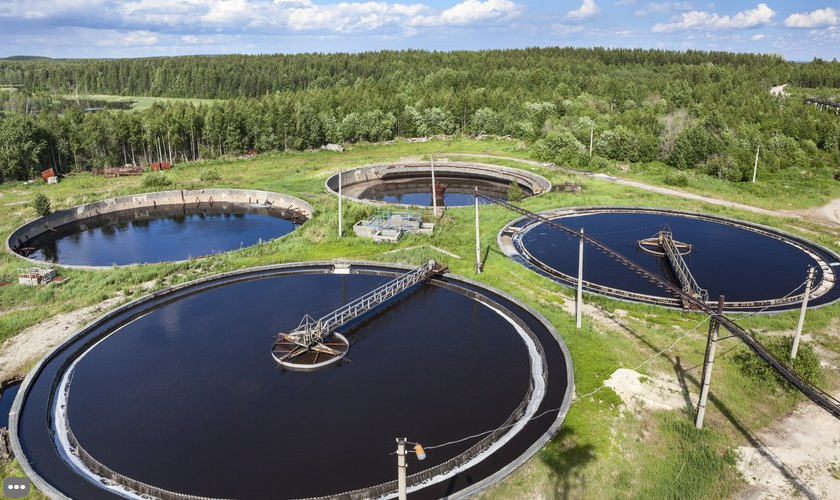
Wastewater treatment operations under KBLI 3701x and 3702x cover the treatment of sewage and other wastewater to prevent pollution. The “x” notation indicates that the applicable five-digit code must be confirmed through the OSS system for the specific sub-activity, as both sub-groups contain multiple five-digit classifications depending on the nature and scale of the treatment activity. These operations are governed by the Ministry of Environment and Forestry and carry the most demanding environmental approval requirements in the water sector. The AMDAL process applies to large-scale wastewater treatment facilities. The site selection, environmental impact assessment, and operational monitoring obligations are each more intensive than for other water enterprise types. Foreign investment in wastewater treatment operations is a commercially viable position for an investor with capital capacity, technical operational expertise, and the patience for the environmental approval process that a new wastewater treatment facility in Indonesia requires.
Groundwater Abstraction and the Well Licence
Any property that draws water from a well, bore, or spring for commercial or residential use requires an Izin Pengambilan Air Tanah, or IPAT (Groundwater Abstraction Permit). This permit is issued by the relevant regional government authority and is required regardless of whether the water is used for human consumption, agricultural irrigation, swimming pools, or any other purpose.
TraceWorthy has assisted clients in obtaining groundwater abstraction permits for single dwellings and for multiple-dwelling developments. The permit application requires documentation of the proposed extraction volume, the intended use, the location of the well or bore relative to the property boundary and any sensitive environmental zones, and the applicant’s compliance with any applicable groundwater conservation requirements for the regency in which the property is located.
Bali’s documented position on unauthorised groundwater extraction is not ambiguous. The 1,646 companies identified in 2022 as operating without a groundwater extraction permit represent a fraction of the actual unauthorised extraction occurring on the island. Hotel pools, villa irrigation systems, restaurant kitchens, and spa facilities drawing on wells without permits are a structural feature of Bali’s water management failure. The remediation pathway, specifically obtaining a groundwater abstraction permit for an existing well or bore, is a defined process that TraceWorthy manages for clients at the point of property acquisition, development planning, or compliance review.
The groundwater extraction permit intersects with the property transaction in a specific way. TraceWorthy performs all land due diligence on transactions it advises. Where a property includes a well or bore, the due diligence assessment includes confirmation of whether an abstraction permit has been obtained, and if so, whether the permit’s conditions, including the permitted extraction volume and use, match the actual extraction taking place. A property acquired without this assessment may carry unlicensed extraction as an undisclosed compliance liability.
When a Natural Spring Becomes a Commercial Target
The following advisory engagement illustrates a dimension of water rights in Indonesia that most property investors do not consider until a commercial interest makes it relevant.
A beef cattle production facility operating in Bali held a natural spring on its property. The spring produced a consistent supply of clean water that had value far beyond the cattle operation’s own requirements. A multinational beverage corporation identified the spring and sought to access and extract its water for commercial purposes through the applicable Indonesian regulatory permit process.
TraceWorthy was engaged to advise the property owner on the legal basis for protecting the spring from that extraction, and on the regulatory steps available under Indonesian water resources law to assert that protection.
Under Indonesian law, water resources are under state control. Law No. 17 of 2019 on Water Resources establishes the state’s authority over Indonesia’s water resources and the framework through which extraction rights are granted. The state’s authority over a natural spring associated with a private property is legally distinct from the property owner’s title to the land. The spring’s water is a state resource; the land through which it emerges is the property owner’s asset.
However, the property owner carries a legally protectable interest in the priority use of a water resource associated with their land for domestic, agricultural, and other specified purposes. A commercial extraction application by a third party, however well-capitalised the third party may be, is subject to the regulatory process through which the relevant authority assesses competing claims and interests before issuing an extraction permit. That regulatory process provides a defined pathway through which a property owner’s prior use, documented need, and registered objection can be presented.
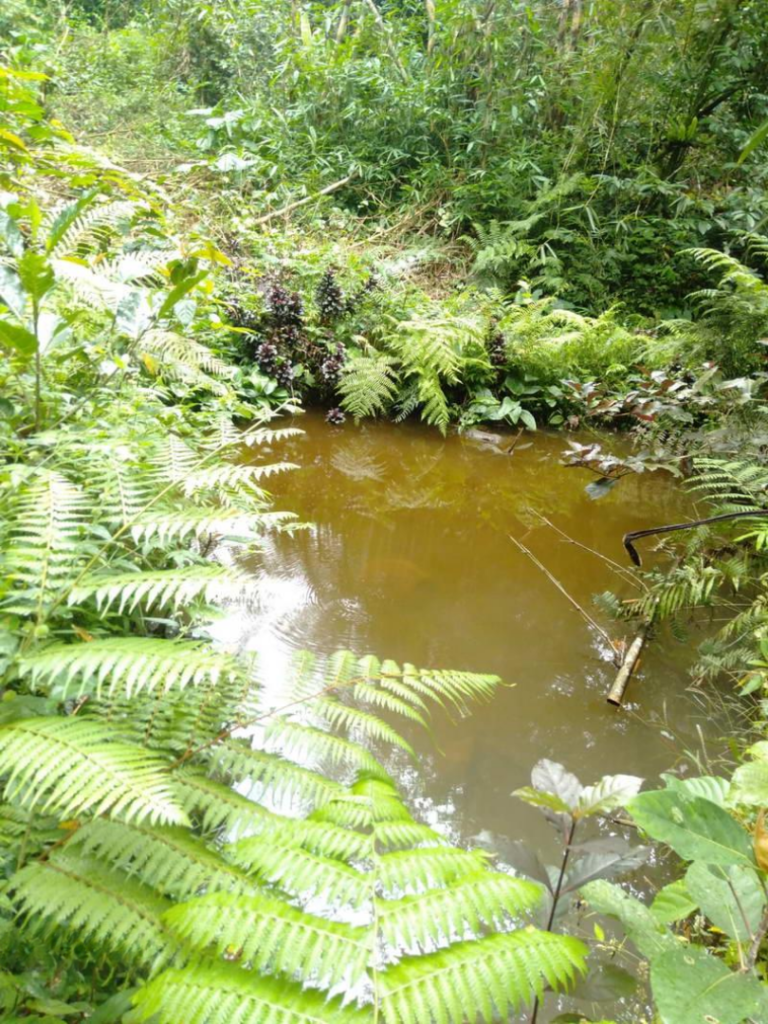
TraceWorthy’s advice covered the regulatory basis for the property owner’s position, the documentation required to register a protectable interest in the spring’s continued use by the property, and the process through which the commercial extraction application could be formally contested through the permit authority. The spring remained within the property’s operational control.
The broader lesson for property investors in Indonesia is specific. A natural water source on a property has commercial value that attracts external interest. That value is not automatically protected by the property title. The steps required to assert a protectable interest in the water resource require advisory engagement with Indonesian water resources law, not merely with property law. An investor acquiring property that includes a spring, a well, or a naturally occurring water source should include water rights assessment as a component of land due diligence, as a separate inquiry from the title verification and spatial planning confirmation that standard due diligence covers.
Pre-Establishment Verification
For the construction enterprise
KBLI verification for the specific construction activities planned, covering both the primary construction KBLI and any secondary codes for specialist environmental or ecological works. For a PT PMA operating in the construction sector, the minimum investment threshold of IDR 10 billion per KBLI per project location applies.
The environmental approval sequence must be confirmed before the construction programme begins. KKPR confirming spatial compatibility, then AMDAL or UKL-UPL depending on project scale, then PBG, then SLF. The environmental authority responsible for each approval varies by project location and scale.
Land due diligence must confirm ITR (Informasi Tata Ruang, Spatial Planning Information) compatibility for the specific construction activity, the absence of encumbrances that would prevent construction or affect the water system’s operational catchment area, and the status of any groundwater extraction on the site.
Construction agreements must define system scope, performance standards, commissioning and transfer procedures, and liability allocation for system performance after delivery.
For the operations enterprise
KBLI identification by activity type: KBLI 36000 for water supply operations, KBLI 11052 for water refill depot operations, KBLI 3701x or 3702x for wastewater treatment with the specific five-digit code confirmed through OSS. Each carries a different risk classification, a different licensing pathway, and different secondary permit requirements.
For water refill depot operations under KBLI 11052, the NIB and Standard Certificate through OSS must be supplemented by the SLHS from the local Dinas Kesehatan and documented legal raw water supply from PDAM or a licensed source. Both of these requirements operate outside the OSS system and on separate timelines.
For wastewater treatment operations under KBLI 3701x and 3702x, the environmental approval sequence, including AMDAL for large-scale facilities, must precede the business licence application.
The IPAT must be in place for any PT PMA whose operations involve extraction from a well or bore, including as a raw water source for a water refill depot or water supply operation.
How TraceWorthy Structures the Engagement
For construction enterprises in the water management sector, TraceWorthy’s advisory scope covers PT PMA establishment through the Ministry of Law and OSS, KBLI verification for the construction and specialist works activities, coordination of the environmental approval sequence including KKPR and AMDAL or UKL-UPL, land due diligence for development sites, and the construction and system delivery agreements that govern the relationship between the construction enterprise and its commissioning clients.
For operations enterprises in the water sector, TraceWorthy structures the PT PMA, identifies and manages the applicable KBLI classification, coordinates the OSS licensing sequence including Standard Certificate verification, manages the secondary permit requirements including the SLHS for water refill depots and the environmental approval for wastewater treatment facilities, and advises on water source documentation requirements.
Groundwater abstraction permit advisory covers both new applications for properties without an existing permit and compliance review for properties with wells or bores already in operation. Where a PT PMA development includes multiple dwellings drawing from a shared groundwater source, the permit structure must reflect the aggregate extraction across the development.
Water rights advisory covers the assessment of water resource interests associated with a property, the documentation required to establish a protectable position in a natural water source, and the regulatory process through which competing extraction interests can be addressed.
Conclusion: The Infrastructure the Island Requires
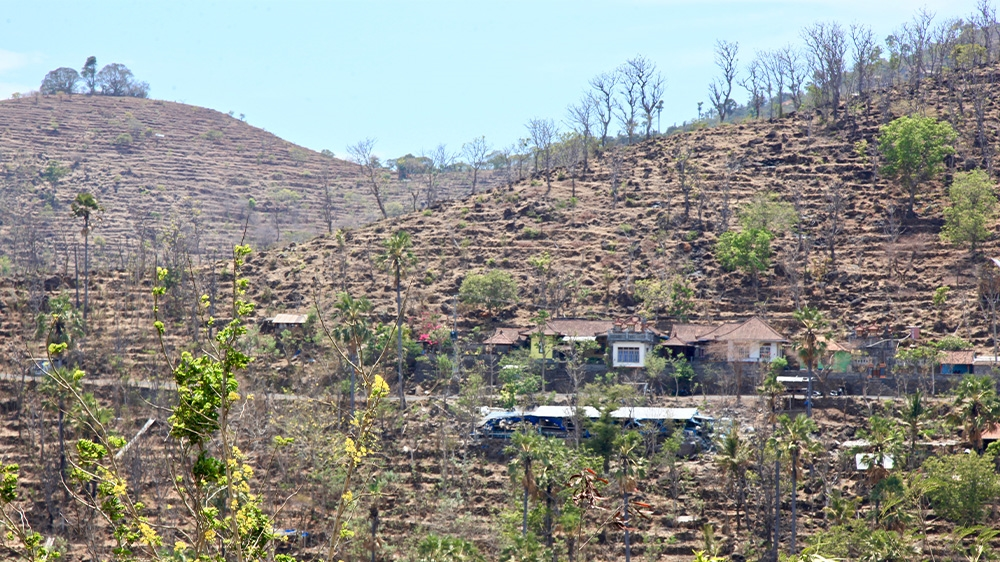
Bali’s water position is not improving on its own trajectory. Aquifer depletion, undertreated wastewater, and continuing population and tourism growth are each structural conditions rather than temporary pressures. The investment case for water treatment, greywater recovery, rainwater harvesting, and wastewater management in Indonesia is built on demand that the island’s environmental data confirms is real, growing, and not adequately addressed by existing infrastructure.
Each investor position in the water sector carries a distinct regulatory architecture. TraceWorthy’s advisory is specific to that position, whether the engagement is with an enterprise building water infrastructure, an operator running a water business, or a property owner managing a site that includes a natural water resource.
TraceWorthy works with water sector investors and construction enterprises at every stage.
If you are considering a construction enterprise in the ecological building sector, the starting point is KBLI verification, environmental approval sequencing, and land due diligence before the development programme is confirmed.
If you are considering a water operations enterprise, the starting point is KBLI identification and the secondary permit requirements that apply to your specific activity type, alongside the water source documentation that the licence requires.
If you have a property that includes a well, bore, or natural spring and are uncertain whether the water resource is correctly licenced and protected, a water rights and compliance assessment will define both the compliance position and the protective steps available.
Schedule a consultation with the TraceWorthy team to learn more about investing in the water infrastructure sector.
Glossary of Indonesian Terms and Regulatory References
| Indonesian Term | Acronym | English Translation or Explanation |
|---|---|---|
| Analisis Mengenai Dampak Lingkungan | AMDAL | Environmental Impact Assessment; required for large-scale projects with significant environmental impact; involves public consultation, specialist environmental assessment, and ministerial or provincial government approval before construction may begin |
| Industri Air Minum Isi Ulang | AMIU | Refill Drinking Water Industry; classified under KBLI 11052; covers water refill depot operations producing directly consumable water through filtration and purification; carries medium-high risk classification under GR 28/2025 |
| Informasi Tata Ruang | ITR | Spatial Planning Information; confirms the zoning classification and permitted uses of a specific parcel; required before any construction or investment structure advice is provided |
| Izin Pengambilan Air Tanah | IPAT | Groundwater Abstraction Permit; required for any property extracting water from a well, bore, or naturally occurring groundwater source for any commercial or residential purpose |
| Kesesuaian Kegiatan Pemanfaatan Ruang | KKPR | Spatial Conformity Confirmation; the first step in the GR 28/2025 sequential approval gate, confirming that the planned land use activity is compatible with the spatial planning designation for the site |
| Klasifikasi Baku Lapangan Usaha Indonesia | KBLI | Standard Indonesian Business Classification; the government code system that classifies every business activity and determines the applicable licensing pathway, foreign ownership position, and regulatory authority |
| Nomor Induk Berusaha | NIB | Business Registration Number; the primary business licence issued through the OSS system; for water refill depots under KBLI 11052, the NIB must be supplemented by a Standard Certificate and a PB UMKU |
| Online Single Submission | OSS | The Indonesian government’s integrated online business licensing system through which NIB registration, KBLI classification, Standard Certificates, and most business licences are processed |
| Perizinan Berusaha Untuk Menunjang Kegiatan Usaha | PB UMKU | Business Activity Supporting Licence; a secondary licence required for certain risk-categorised business activities in addition to the NIB and Standard Certificate |
| Perusahaan Daerah Air Minum | PDAM | Regional Drinking Water Company; the government-owned regional water utility; water refill depots must maintain a supply agreement with PDAM or document an alternative licensed raw water source |
| Persetujuan Bangunan Gedung | PBG | Building Approval; required before construction begins; must cover the actual intended use of the structure including any water treatment or storage infrastructure |
| Perseroan Terbatas Penanaman Modal Asing | PT PMA | Foreign Capital Investment Limited Liability Company; the entity structure available to foreign investors in Indonesia, subject to the minimum investment threshold of IDR 10 billion per five-digit KBLI code per project location |
| Sertifikat Laik Fungsi | SLF | Certificate of Worthiness; issued following confirmation that a completed building meets the standards for its intended use; required before any building may be lawfully operated |
| Sertifikat Laik Higiene Sanitasi | SLHS | Health and Sanitation Worthiness Certificate; issued by the local Dinas Kesehatan following inspection of a water refill depot’s premises, equipment, and processes; required in addition to the OSS licensing sequence and issued on a separate timeline by a separate authority |
| Upaya Pengelolaan Lingkungan Hidup dan Upaya Pemantauan Lingkungan Hidup | UKL-UPL | Environmental Management and Monitoring Effort; the environmental approval instrument applicable to medium-scale projects; less intensive than an AMDAL, yet required before construction begins on projects above the threshold for the simpler environmental commitment statement |