
Part of the series: Beyond Tourism
- Bali 2036: Growth Alone Will Not Protect Your Business
- Beyond Tourism: Bali Needs Waste Solutions
- Beyond Villas: Trade and Distribution in Bali
- Beyond Bali: Infrastructure and Built-Environment Services as Foreign Investment in Indonesia
- Beyond Beach Clubs: Creative Production, Events, and Destination Experiences as Foreign Investment in Indonesia
- Beyond Tourism: The Blue Economy in Indonesia – Marine and Fisheries Investment
- From Ingredient to Invoice: Food and Beverage Production as a Foreign Investment in Indonesia
- Teaching Without Permission: Lawful Entry into Indonesia's Education and Skill-Transfer Sector
- Built to Scale: Sports and Recreation Investment in Indonesia
- Clean by Design: Water Treatment, Refill, and Wastewater Enterprises in Indonesia
- The Sexiest Cow in Bali: Turning Business Waste Into a Product
Indonesia’s maritime development agenda targets doubling the ocean economy’s contribution to national GDP from 7.6 per cent to 15 per cent by 2045. This article examines marine and blue economy enterprises as foreign investment categories, covering the regulatory framework, the enterprise models available to qualified investors, the structural errors that TraceWorthy has observed in this sector, and the pathways available to foreign professionals whose qualifications belong in Indonesia’s oceans and who have not yet found the route in.
The Professional Who Ended Up in Tourism
Bali attracts foreign residents with qualifications in fields that Indonesia is trying to develop. Marine biologists. Naval architects. Aquaculture technologists. Coral ecologists. Cold chain logistics engineers. Marine safety consultants. Fisheries scientists. These professionals arrive in Bali for the lifestyle, the climate, the schools, and the community that has formed around the island’s expatriate population. Then they look for work in their field and find that the pathway is not obvious.
Many foreign professionals in Bali default to tourism, café ownership, or villa management because those sectors are immediately legible and the advisory pathway into their professional field has not been described. The pathway from a PhD in marine ecology or a career in commercial fisheries to a lawful, commercially viable enterprise in Indonesia’s blue economy is not obvious, and until recently, the advisory content to navigate it has not existed in any accessible form.
This article addresses that gap directly.
Governed by Government Regulation 78 of 2019, Indonesia’s blue economy is one of the most structurally supported investment categories in the national development framework, with government-identified priority locations, dedicated tax incentives, and a regulatory trajectory that is actively opening previously restricted activity categories to foreign participation.
Marine investment Indonesia ranges from coral restoration and aquaculture support through cold chain infrastructure to marine technology services and ocean recreation. The challenge for the qualified foreign investor is not finding demand. It is identifying the enterprise model that fits their specific skills, the KBLI classification that governs it, and the compliance architecture that makes the investment lawful and sustainable.
The Scale of Indonesia’s Maritime Economy
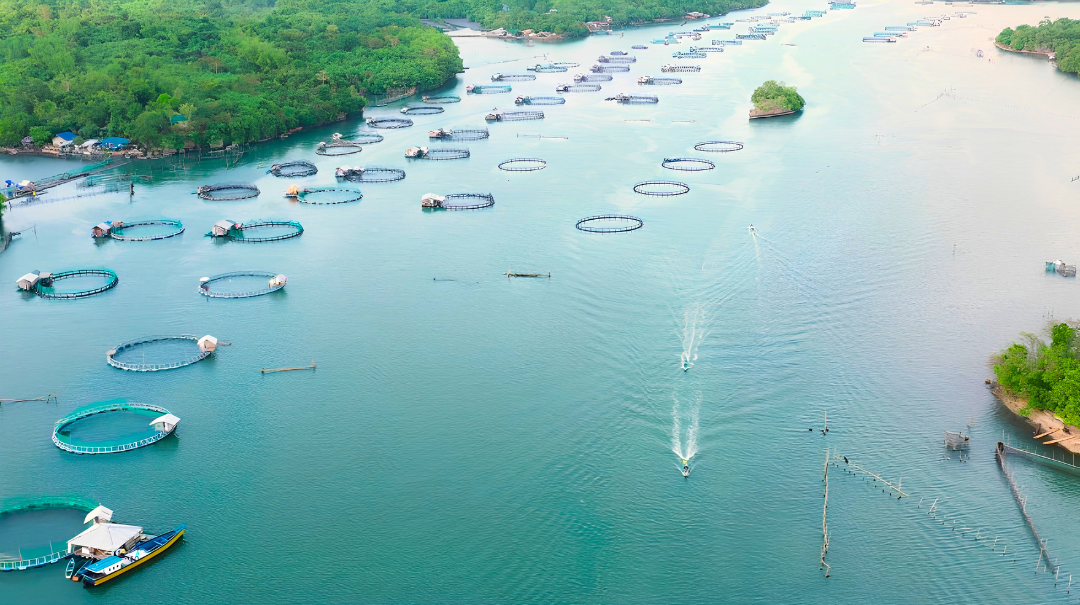
Indonesia is the world’s largest archipelagic nation: 17,504 islands, 6.4 million square kilometres of sea area, and 108,000 kilometres of coastline. The marine and fisheries sector contributed 2.54 per cent of national GDP in the third quarter of 2024, equivalent to IDR 407 trillion at current prices. Indonesia is the world’s second largest aquaculture producer after China, with an average annual aquaculture output of 15 million metric tonnes.
Indonesia’s Rencana Pembangunan Jangka Menengah Nasional (RPJMN) 2025 to 2045, Indonesia’s long-term national development plan, sets a 20-year ambition to double maritime GDP’s contribution from 7.6 per cent to 15 per cent. The Blue Economy Roadmap, which implements this ambition across five phases, entered Phase II in 2025, covering 2025 to 2029 as the development-as-new-growth-source phase. This is the policy environment within which blue economy investment Indonesia is positioned.
Investment in the maritime and fisheries sector reached IDR 9.56 trillion in the third quarter of 2023. Fish processing attracted the largest share at IDR 3.65 trillion. Aquaculture followed at IDR 2.6 trillion. Marine services attracted IDR 186.51 billion. Foreign direct investment in the sector reached IDR 1.4 trillion in that period, led by Chinese, Malaysian, and Swiss capital.
The government has identified specific priority commodities and investment locations across the archipelago.
| Commodity | Priority Investment Locations |
|---|---|
| Shrimp | Kebumen, Cilacap (Central Java); Waingapu (East Nusa Tenggara) |
| Seaweed | Wakatobi (Southeast Sulawesi); Southeast Maluku; Rote Island (NTT) |
| Tilapia | Karawang, Pati (Java) |
| Lobster | Mataram and surrounding locations (Lombok) |
| Blue Swimmer Crab | Multiple regions |
| Cold storage and processing | Integrated processing hubs across three strategic zones |
These priority locations are not in Bali. They reflect the productive fisheries and aquaculture geography of the archipelago, which is concentrated in the eastern and central islands where temperature, water quality, and marine biodiversity create optimal conditions for each commodity. A foreign investor whose marine qualifications align with one of these priority categories has a government-identified commercial destination for their investment that is not connected to Bali’s tourism economy.
The Regulatory Framework: Upstream, Downstream, and the Lines Between
The blue economy in Indonesia is not a single regulatory domain. It spans multiple ministries, multiple licensing frameworks, and multiple KBLI classification categories, each with different foreign ownership positions and different compliance requirements.
The capture fisheries distinction
Marine capture fisheries, specifically the activity of going to sea and catching fish, was historically closed or highly restricted to foreign investment. Government Regulation No. 11 of 2023, implemented from early 2025, introduced quota-based fisheries management across eleven fisheries management areas and simultaneously reopened the marine capture sector to foreign investment.
Foreign investment in marine capture fisheries returned under Government Regulation No. 11 of 2023, which introduced quota-based fisheries management across eleven areas from early 2025. A foreign investor in marine capture fisheries must obtain quota allocation within the fisheries management area framework, which is administered by the Ministry of Marine Affairs and Fisheries and operates separately from the OSS investment licensing process. The quota allocation system is operationally new, and the practical pathway from PT PMA registration to confirmed fishing quota is a process that requires specific regulatory navigation rather than general investment advisory.
For most qualified foreign investors in the blue economy, the more commercially accessible pathway is downstream of capture. The table below maps the principal activity categories.
| Activity | Foreign Ownership Position | Principal Regulatory Instrument | Key Compliance Obligation |
|---|---|---|---|
| Marine capture fisheries | Open under quota framework since 2025 | GR 11/2023, Ministry of Marine Affairs | Quota allocation per fisheries management area |
| Aquaculture | Generally open to foreign investment | Ministry of Marine Affairs licensing | Commodity-specific permits, environmental compliance |
| Seafood processing | Open with sector-specific requirements | BPOM registration for commercial distribution | Halal certification, food safety, traceability |
| Cold storage and logistics | Open | Standard PT PMA framework | Warehouse registration, food hygiene certification |
| Marine recreation and water tourism | Open to 100% foreign ownership | KBLI 93249 | Environmental commitment, community involvement, six-month monitoring reports |
| Marine technology services | Open | Standard PT PMA framework | Professional licensing where regulated activities apply |
| Coral restoration and conservation | Open via yayasan and PT PMA structure | Ministry of Marine Affairs, BPOM where applicable | Environmental permits, yayasan governance requirements |
The BPOM secondary barrier for seafood imports
A foreign investor who builds a marine food import model on the assumption that a bilateral free trade agreement resolves the regulatory pathway has identified one door and not yet found the second.
TraceWorthy has conducted due diligence for an Australian company aiming to export salmon roe to Indonesia. The IA-CEPA, the Indonesia-Australia Comprehensive Economic Partnership Agreement, reduced the tariff burden on the product. It did not reduce the BPOM product registration requirement. BPOM approval for imported processed food products is a separate, product-specific process with a timeline that is structurally uncertain. The duration required to obtain BPOM approval for a novel imported seafood product can extend to multiple years. That timeline is not a bureaucratic inconvenience. It is a non-tariff barrier that functions as an effective deterrent to importers who have not assessed it before committing to an import-dependent business model.
Any marine food import enterprise must obtain a realistic BPOM timeline assessment for its specific product before the business model is financially committed. The tariff rate is the starting point for the analysis, not the conclusion.
The tax incentive that most advisory content misses
Government Regulation 78 of 2019 provides dedicated tax incentives for investment in Indonesia’s marine and fisheries sector. The incentive structure includes a deduction of 30 per cent of total investment value from net income, applied at five per cent per year over six years, alongside accelerated depreciation of tangible assets and accelerated amortisation of intangible assets.
These incentives apply to qualifying investments in aquaculture, seafood processing, cold storage and processing facility development, marine technology, and education and training in sustainable fisheries practices. A marine investment Indonesia enterprise that qualifies for GR 78/2019 treatment has a material cost advantage over the same investment without that incentive structure. The qualification conditions and the application process require tax advisory input from the point of enterprise design, not as an afterthought once operations begin.
Cold storage as a regulatory asset, not only a logistics asset
Ministry of Trade Regulation No. 36 of 2023 establishes that cold storage capacity is used as the basis for calculating the import licence quantity for seafood products. An enterprise with confirmed cold storage capacity has a defined and documented basis for its import licence volume. An enterprise without confirmed cold storage capacity has no such basis.
This regulatory linkage means that a cold chain investment Indonesia enterprise is not simply providing a storage service. It is establishing the physical asset on which an import licence position is calculated. The commercial logic of building cold storage capacity in a strategic location includes the import licence position that the storage asset creates. This point should be verified against any amendments to the Ministry of Trade Regulation framework that may have been issued through 2025 and early 2026 before it is relied upon in an individual investment plan.
Enterprise Models From Observed Practice
The conservation enterprise with dual structure
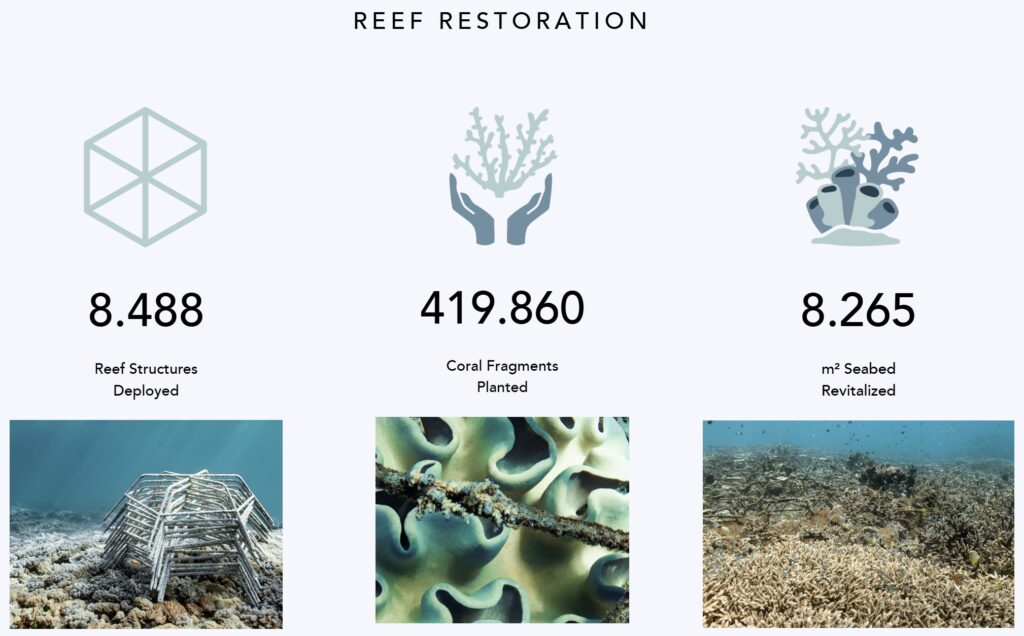
TraceWorthy’s client Livingseas Explorer operates in coral restoration, supported by dive tourism revenue. The enterprise uses a dual-entity structure that addresses a funding requirement that a single PT PMA cannot satisfy.
The yayasan, Indonesia’s non-profit foundation vehicle, receives grant funding from international conservation funders. Grant conditions typically prohibit funds from flowing directly to commercial entities, because the grant purpose is conservation rather than profit generation. The yayasan is the legally appropriate recipient of grant income under those conditions.
The PT PMA is the commercial implementation vehicle. It employs professional staff, purchases equipment, operates the dive tourism programme that generates revenue, and implements the conservation programmes funded through the yayasan. The yayasan passes implementation funds to the PT PMA under a defined implementation agreement that governs the scope, accountability, and reporting obligations of the commercial entity.
The two entities are legally distinct. They are commercially and operationally interdependent. The PT PMA cannot receive grant funds directly without changing the character of the income and its tax and regulatory treatment. The yayasan cannot conduct commercial dive tourism as a primary activity without exceeding the scope of the non-profit framework under which it operates.
This structure suits a specific investor and mission profile: the marine scientist, coral ecologist, or conservation professional who has international grant relationships, requires a vehicle for grant receipt, and needs commercial revenue from dive tourism to fund the operational costs that grants do not cover. Coral restoration Indonesia has a confirmed international funding environment, with reef conservation attracting institutional grant capital from global environmental programmes. The enterprise is financially sustainable because the two income streams, grants through the yayasan and tourism revenue through the PT PMA, serve different operational costs without compromising each other’s regulatory character.
The aquaculture support enterprise
A foreign investor with aquaculture technology, water quality management, or sustainable farming methodology qualifications does not need to own a fish farm to generate income from Indonesia’s aquaculture development programme. The aquaculture support enterprise provides the technical inputs, the equipment, the water quality testing, the feed optimisation advisory, and the certification support that makes an Indonesian aquaculture operation commercially viable and internationally traceable.
Did you know nearly 570 marine species are farmed all over the world?
UN Food & Agriculture Organisation
Aquaculture provides half of the world’s fish used for food.
This is a B2B service enterprise. Its clients are the Indonesian aquaculture operations that the government’s 210 designated Aquaculture Village locations are designed to develop. Its income is fee and service margin rather than production volume. Its risk profile is that of a technical services enterprise rather than a commodity producer. A qualified aquaculture professional who enters this market as a service provider rather than as a producer avoids the commodity price risk, the production yield risk, and the environmental exposure of direct aquaculture ownership while remaining commercially connected to the sector their qualifications address.
The marine technology enterprise

Indonesia’s Measured Fishing Policy requires vessel monitoring, satellite surveillance, drone deployment, and tracking systems across eleven fisheries management areas covering 6.4 million square kilometres of sea. The government has allocated IDR 140 billion for fisheries monitoring technology. Bluetech attracted USD 2.4 billion globally in 2024.
A foreign investor with marine technology qualifications, whether in monitoring systems, environmental sensors, vessel tracking, or marine data analytics, has a commercially defined demand environment in a sector where domestic implementation capability is still developing. The marine technology services enterprise provides implementation, calibration, maintenance, and training services to government fisheries programmes, aquaculture operations, and private marine operators. Its income is implementation fee, service contract, and licensing revenue. Its compliance requirement is standard PT PMA registration under the appropriate KBLI classification, with professional licensing confirmed where the activity involves regulated technical services.
The cold chain and seafood processing enterprise
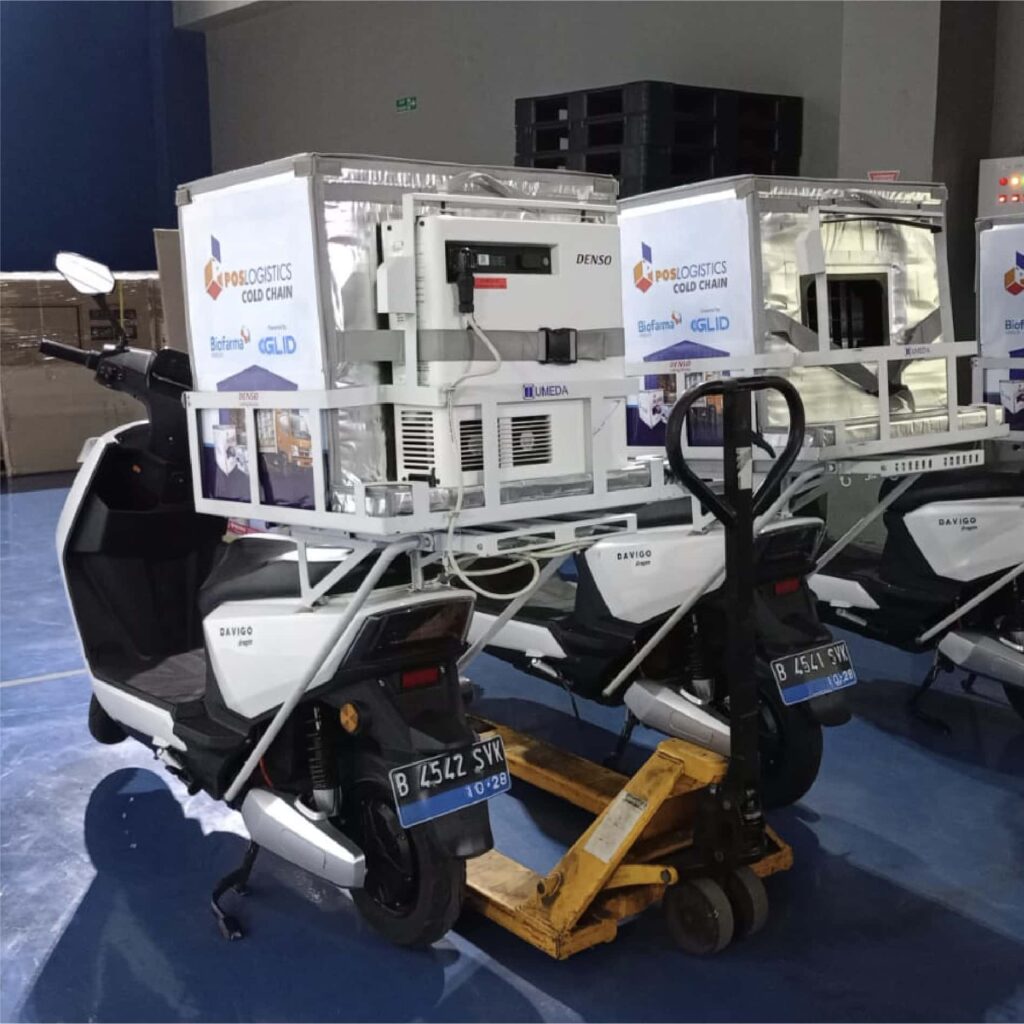
Cold chain investment Indonesia serves two connected commercial requirements: the domestic seafood processing industry, which needs reliable cold storage at scale, and the export trade, which needs documented chain-of-custody compliance to satisfy international buyer requirements.
Minister of Marine Affairs and Fisheries Regulation No. 32 of 2024 introduced a mandatory fisheries product traceability system. International seafood buyers in the European Union, the United States, and Japan require documented traceability as a condition of purchase. Indonesian processors who cannot demonstrate traceability are progressively excluded from export markets regardless of product quality. A foreign investor with food safety, traceability system implementation, or cold chain logistics qualifications can position a service enterprise at the intersection of the domestic cold storage need and the international traceability requirement.
The marine recreation enterprise
Water tourism under KBLI 93249 covers marina dock construction, tourist pontoons, dive centres, and other water-based tourism activities with a minimum 30-day operational duration. Foreign investors can own 100 per cent of an enterprise under this code, subject to foreign direct investment approval, submission of a commitment letter to involve local communities, provision of an Environmental Management Commitment Statement, payment of non-tax state revenue, detailed engineering designs for planned constructions, and six-month activity monitoring reports once operations commence.
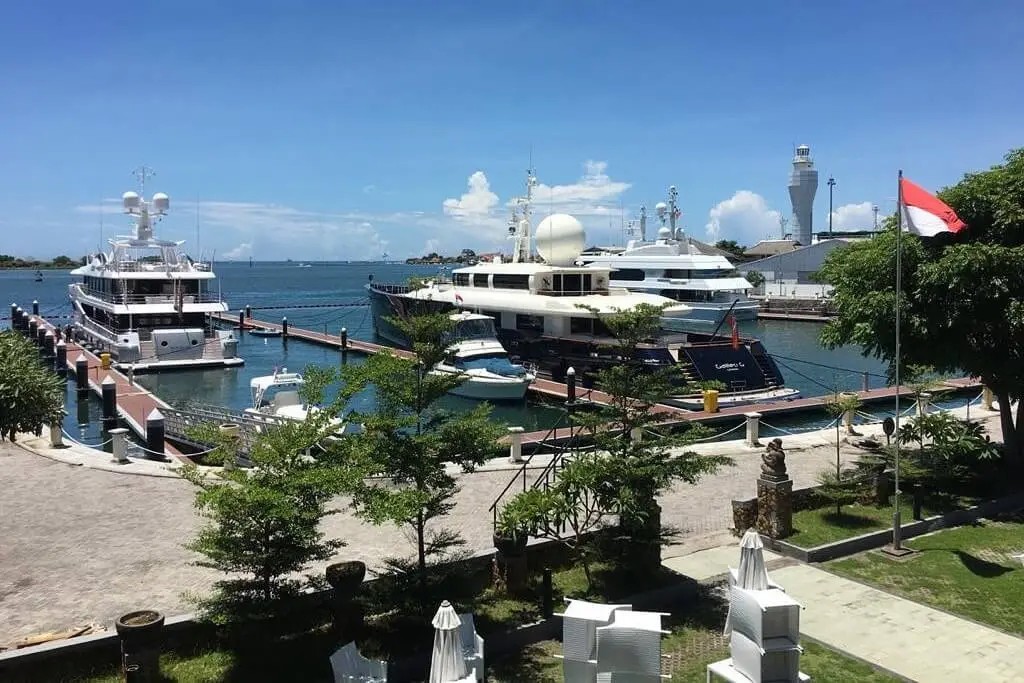
This is the most consumer-facing enterprise model in the sector and the most visible from the outside. Dive operators, boat charter companies, and snorkelling tour operators sit within or adjacent to this classification. The environmental compliance obligations are more extensive than most investors expect when they enter this category informally. The community involvement commitment is not decorative. It requires documented engagement with local communities and a defined contribution to local employment or local supply chains.
The marine recreation category is the most competitive consumer-facing market in the sector. It is also the category where the compliance gap between formal enterprise registration and informal operation is most visibly monitored, because environmental impact monitoring is a licensing condition rather than an optional reporting exercise.
Structural Errors TraceWorthy Has Observed
Three client patterns in this sector each carry a lesson that applies beyond the individual situation.
The asset arrangement that dissolved with the marriage
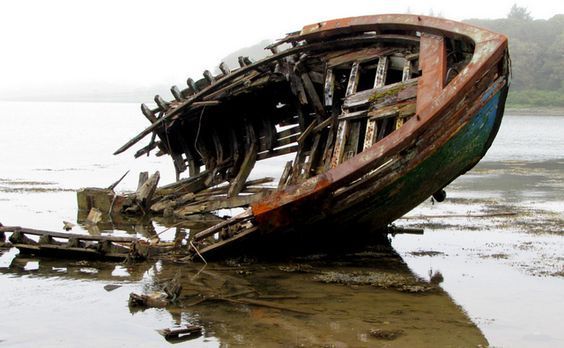
A foreign husband and Indonesian wife established a boat tourism business in Bali. To make establishment “easier,” the foreign partner placed all enterprise assets, including vessels, berth rights, and operating licences, in the Indonesian spouse’s name. This is not a structural simplification. It is a nominee and proxy arrangement that Indonesian law prohibits. The arrangement appeared to function while the relationship was stable. When the marriage moved toward dissolution, every asset the enterprise required to operate was legally held by a party whose interests had become adverse to the foreign partner.
Vessels are registered physical assets. Berth rights are registered in the holder’s name. Operating licences are issued to a named entity or individual. In a marine services enterprise, these are the operational foundation of the business. When the party named in those registrations and licences is not the investing party, and the relationship between them has changed, the investing party has no recoverable legal position under Indonesian law.
The correct structure for a foreign investor in any marine enterprise is a lawfully registered PT PMA in which the investor carries shares in the proportion permitted under the applicable KBLI code and foreign ownership rules. The assets are owned by the entity, not by an individual, and the investor’s rights are documented in the corporate structure rather than dependent on a personal relationship.
The PIRT registration that capped the business at household scale
A foreign husband operated a downstream seaweed products manufacturing enterprise through a PIRT registration in his Indonesian wife’s name. PIRT, the Pangan Industri Rumah Tangga or Home Industry Food category, is a licensing framework designed for small-scale domestic food production by Indonesian nationals. It is not accessible to foreign nationals. It does not accommodate export activity. It does not carry the BPOM certification required for commercial distribution at scale. It does not provide the legal protections that a properly established enterprise gives any investor.
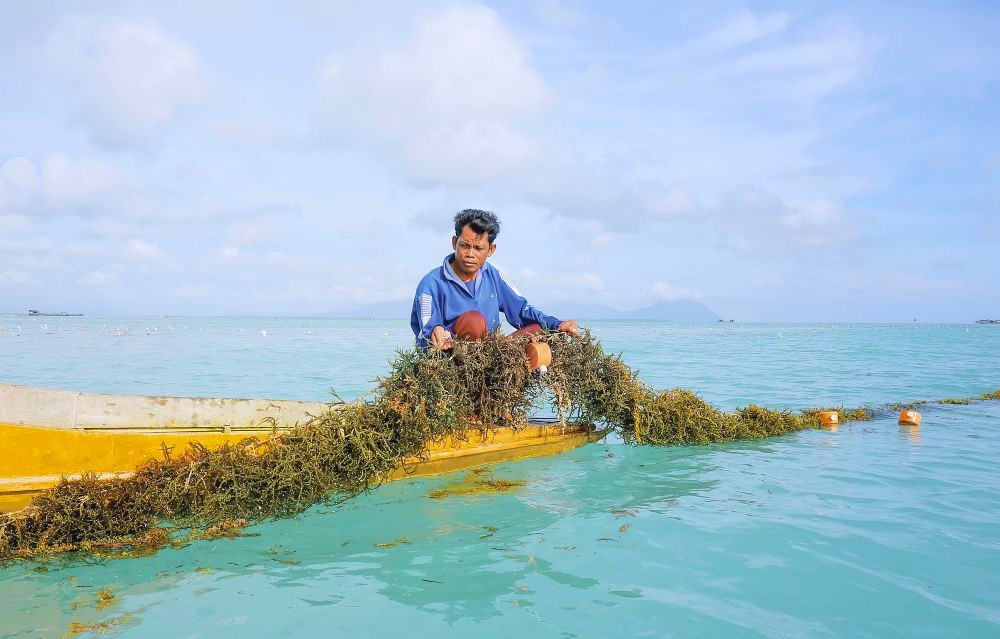
The enterprise generated income at small scale. When the operator sought to grow it, every element of the structure prevented growth. The PIRT category has production volume limits. Distribution beyond local retail requires BPOM certification that the PIRT registration does not support. Export requires documentation that the PIRT framework does not generate. The informal arrangement, in the name of the Indonesian spouse, gave the foreign operator no legal standing to enforce his investment interest in the enterprise’s assets or goodwill.
A seaweed downstream processing enterprise with serious commercial intent requires a properly registered PT PMA under the appropriate food processing KBLI code, with BPOM product certification obtained from the point at which commercial distribution begins. This is a more involved establishment process than a PIRT registration. It is also the only structure in which the investment is legally protected and commercially scalable.
The import model built on the wrong door
An Australian enterprise identified Indonesian market demand for salmon roe and structured an import model on the basis that IA-CEPA, the Indonesia-Australia Comprehensive Economic Partnership Agreement, had opened the Indonesian seafood import market. The tariff barrier had indeed been reduced. The BPOM product registration requirement had not changed.
BPOM approval for an imported processed food product is a separate regulatory process administered by the National Food and Drug Control Agency. The timeline for approval of a novel imported seafood product is not published as a defined period. In practice, it extends to multiple years for products without prior registration history in Indonesia. The import model that depends on BPOM-registered product to generate revenue cannot generate that revenue until registration is complete.
Due diligence on any import-dependent blue economy enterprise must include a specific BPOM timeline assessment for the relevant product category before the business model is financially committed. The tariff schedule is the starting point. The BPOM position is the determinant of commercial viability.

The Bali Base and the Marine Enterprise Elsewhere
The blue economy enterprise model that best suits an internationally mobile investor with marine professional qualifications is frequently not a Bali enterprise. The productive fisheries and aquaculture zones, the cold chain hubs, the government-priority aquaculture village locations, and the fisheries management areas where monitoring technology deployment is required are distributed across the archipelago. They are not concentrated in Bali.
Bali’s role in the marine investment model for many qualified foreign residents is the residential base, the school environment for children, the professional services access point, and the lifestyle foundation that makes Indonesia a sustainable long-term choice. The enterprise is incorporated and operates where the commercial activity and the regulatory structure require it to be.
A marine biologist with coral restoration credentials may build their enterprise on the waters adjacent to Bali or extend it to the Coral Triangle destinations where Indonesia’s marine biodiversity is most concentrated. A cold chain logistics professional may position their enterprise near a processing hub in Lombok, in the proximity of the lobster and seaweed aquaculture development areas, managing the operation with periodic visits from a Bali base. A marine technology service enterprise may be Jakarta-registered with project deployment across multiple fisheries management areas, its principal living in Bali and commuting to project locations as the engagement calendar requires.
The KITAS structure for this model follows the pattern established in the creative economy article: the working principal on an Investment KITAS or Employment KITAS sponsored by the enterprise, the spouse on a Dependent KITAS or their own Employment KITAS where they are active in the enterprise, and children on Dependent KITAS sponsored through the principal. The enterprise’s compliance standing is the foundation of every immigration instrument in the family’s structure. An enterprise that falls into regulatory non-compliance does not create only a business problem. It creates an immigration consequence for a family whose Indonesian residence depends on that enterprise’s standing.
The Qualified Professional Who Has Not Yet Asked the Question
TraceWorthy has not yet worked with a foreign marine professional seeking to transition their qualifications into a licensed enterprise in Indonesia’s blue economy. The question is worth asking, and the answer depends on the KBLI classification of the intended activity, the foreign ownership position for that code under current investment rules, any professional licensing requirements applicable to the regulated activity, and the employment structure that places qualified professionals within the enterprise’s operational chain.
The question is worth asking.
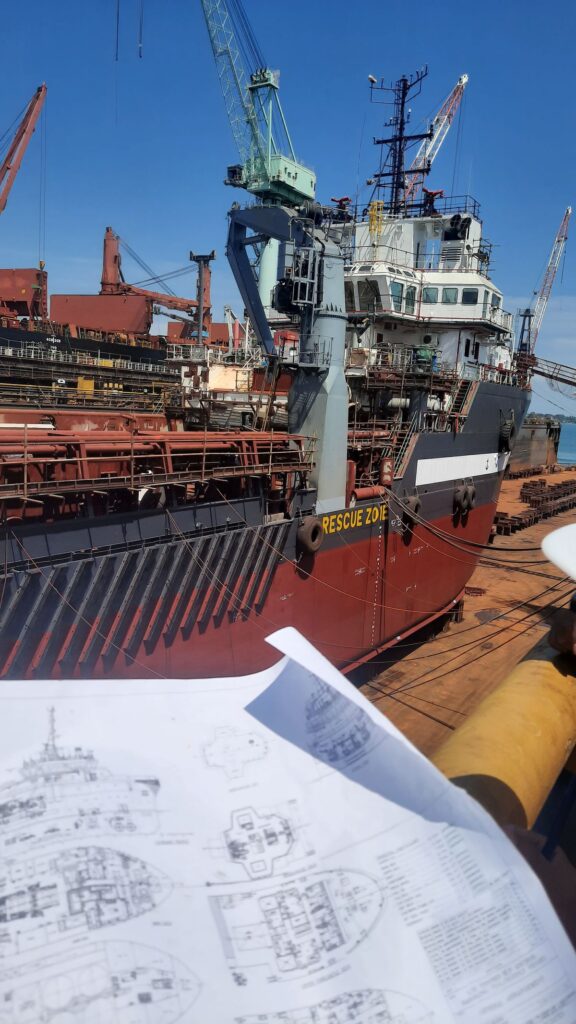
Whether a foreign marine engineer, fisheries scientist, naval architect, aquaculture specialist, or coral ecologist can establish a licensed enterprise around their specific professional qualifications in Indonesia depends on several interconnected determinations: the KBLI classification of the intended activity, the foreign ownership position for that code under current investment rules, any professional licensing requirements applicable to the regulated activity, and the employment structure that places qualified professionals within the enterprise’s operational chain in a way that satisfies both the licensing authority and the enterprise’s client base.
These determinations are not uniform across qualifications or activity types. A marine engineer providing vessel inspection services operates under a different classification and professional licensing framework than a marine biologist conducting aquaculture health assessments. The analysis is individual-specific, and it requires compliance expertise in the Indonesian regulatory framework applied to the specific qualification and intended activity.
TraceWorthy’s compliance team works through this analysis at the individual level. The conversation begins with the qualification, the intended activity, and the commercial model the investor has in mind. The outcome is a defined enterprise model, a verified KBLI classification, and a compliance pathway that either confirms the investment is viable as conceived or identifies the adjustments that make it so.
Pre-Establishment Verification
The following verification sequence applies to any blue economy or marine investment Indonesia enterprise before incorporation. The sequence reflects the specific regulatory features of the sector and must be applied regardless of which activity type the investor is entering.
KBLI identification by marine activity type is the starting determination. Capture fisheries, aquaculture, seafood processing, cold storage, marine recreation and water tourism, marine technology services, and conservation enterprises with yayasan structures each sit in different KBLI classifications with different foreign ownership positions and different licensing requirements. Where the enterprise conducts multiple activities, the primary KBLI must represent the main revenue-generating activity and secondary codes must be confirmed against their OSS treatment and investment restriction status before the notary appointment.
The quota framework confirmation applies specifically to any capture fisheries component. Government Regulation No. 11 of 2023 and the fisheries management area quota system must be assessed for the specific fishery type and location before a capture fisheries enterprise is incorporated. This is a separate pathway from standard PT PMA registration and cannot be assumed from OSS confirmation of the KBLI code alone.
Government Regulation 78 of 2019 tax incentive eligibility must be assessed at the enterprise design stage. The qualifying conditions for the 30 per cent investment deduction and accelerated depreciation provisions are specific to the activity type and investment scale. Tax structuring for an eligible enterprise begins at incorporation, not after the first tax filing.
BPOM registration timeline assessment applies to any enterprise whose commercial activity depends on the distribution or import of processed food or fishery products. The assessment must be product-specific and completed before the business model is financially committed.
Environmental compliance obligations apply to marine recreation enterprises under KBLI 93249 and to any aquaculture or processing enterprise with a defined environmental impact. The Environmental Management Commitment Statement and the six-month monitoring reporting obligations for KBLI 93249 enterprises must be confirmed and built into the governance calendar before the licence is activated.
Yayasan establishment requirements apply where the enterprise model requires a non-profit vehicle to receive grant funding. The yayasan governance framework, the implementation agreement between the yayasan and the connected PT PMA, and the tax treatment of funds passing between the two entities must be designed from the point of establishment.
Professional licensing requirements apply where the enterprise conducts regulated technical activities. Marine inspection, vessel certification, fisheries health assessment, and technical safety services may carry professional licensing requirements administered through the Ministry of Marine Affairs and Fisheries or other technical authorities.
Cold storage registration and food hygiene certification apply to any enterprise operating cold storage or seafood processing facilities. The import licence volume implication of cold storage capacity must be confirmed against the current Ministry of Trade Regulation framework before the investment is committed.
LKPM reporting must reflect the actual investment and activity from the first filing period. For a marine enterprise with government-approved tax incentives, the LKPM and tax filings must be reconcilable from the outset.
How TraceWorthy Structures the Investment
TraceWorthy provides advisory support across the full establishment and compliance lifecycle for blue economy and marine investment Indonesia enterprises.
Enterprise model selection begins with the investor’s qualifications and the intended activity. The KBLI classification, the foreign ownership position, the applicable tax incentive eligibility, and the professional licensing requirements are confirmed before the notary appointment. Where the enterprise model requires a dual yayasan and PT PMA structure, the governance framework governing the two entities, the implementation agreement, and the tax treatment of inter-entity fund flows are designed from the point of establishment.
BPOM pathway assessment for any import-dependent model is conducted as a pre-commitment advisory step, not as a post-commitment compliance exercise. The assessment identifies the regulatory timeline for the specific product category and gives the investor an accurate picture of when commercial distribution can begin, what the registration process involves, and whether the business model’s financial projections are built on a realistic foundation.
Asset and licence structuring ensures that vessels, berth rights, equipment, and operating licences are properly held by the correct legal entity from the point of establishment. The structural errors observed in this sector, specifically the placement of enterprise assets in a spouse’s name to simplify establishment, produce the most costly and least recoverable problems in any sector TraceWorthy advises. The correct structure is not more complex to establish. It is more complex to explain to an investor who is focused on speed.
Agreement drafting for marine enterprises covers the implementation agreement between a yayasan and connected PT PMA, the aquaculture support service agreement, the marine technology service contract, the cold storage and logistics client agreement, the KBLI 93249 community involvement commitment, and where applicable the cooperation agreement between a foreign-owned enterprise and an Indonesian marine sector partner.
Tax setup includes Government Regulation 78 of 2019 incentive structuring where the enterprise qualifies, VAT registration, withholding tax treatment for service fees paid to Indonesian and international counterparties, corporate income tax classification, and LKPM alignment. Where the enterprise receives international grant funding through a yayasan, the tax treatment of those funds and the implementation payments to the connected PT PMA is confirmed from the point of establishment.
Conclusion: The Investment Case for a Qualified Marine Professional
Indonesia’s 17,504 islands and 6.4 million square kilometres of sea area are not scenery for the dive tourism market. They are the operating environment for one of the most policy-supported economic development programmes in the national agenda, a programme that explicitly requires foreign professional expertise, technology, and capital to achieve the blue economy targets set out in the RPJPN 2025 to 2045.
The foreign investor who comes to Bali with marine qualifications and finds themselves operating a café because the pathway into their professional field was not visible has not run out of options. They have not yet started the advisory conversation that identifies the enterprise model their qualifications support, the KBLI classification that governs it, and the compliance architecture that makes it lawful and sustainable.
Marine investment rewards the investor who approaches the sector with the same structural rigour that the preceding articles in this series have applied to trade, built-environment services, and creative production. Coral restoration Indonesia, aquaculture support, cold chain infrastructure, marine technology services, and sustainable marine recreation each offer structured, commercially viable pathways for a qualified investor who understands that the sector’s compliance requirements are not obstacles to entry. They are the conditions that separate a sustainable enterprise from an informal arrangement that cannot withstand regulatory scrutiny, commercial stress, or personal circumstances.
TraceWorthy works with marine and blue economy investors across each stage of this process.
If you are a qualified marine professional considering whether your expertise translates into a viable enterprise in Indonesia’s blue economy, the starting point is a compliance assessment of your specific activity, your qualifications, and the KBLI pathway that applies to your intended enterprise before any other structural decision is made.
If you have an existing marine enterprise and are uncertain whether your KBLI classification, asset ownership structure, BPOM registration position, or environmental compliance status reflects your actual operations and current Indonesian law, a compliance review will identify the gaps and define the available remediation pathway.
If you operate a lawful marine enterprise and require advisory support for growth, international grant structuring, cold chain investment, technology partnership, or expansion into priority fisheries and aquaculture locations across the archipelago, TraceWorthy provides ongoing advisory services across the full investment lifecycle.
Contact TraceWorthy to begin the conversation.