

Part of the series: Women Founders in Indonesia
- Women Founders in Indonesia: Nurhayati Subakat, Who Rebuilt After the Fire
- Women Founders in Indonesia: Formalising a Small Business in Indonesia
- Women Founders in Indonesia: Building a Foreign-Owned Business
- Women Founders in Indonesia: Own It in Your Own Name
- Women Founders in Indonesia: Structuring for Impact
- Women Founders in Indonesia: Making a Woman-Led Business Bankable
- Women Founders in Indonesia: The Merits of Bootstrapping a Business
- Women Founders in Indonesia: The Art of Reinvention
- Women Founders in Indonesia: When a Business Has to Close
Current as at 24 July 2026.
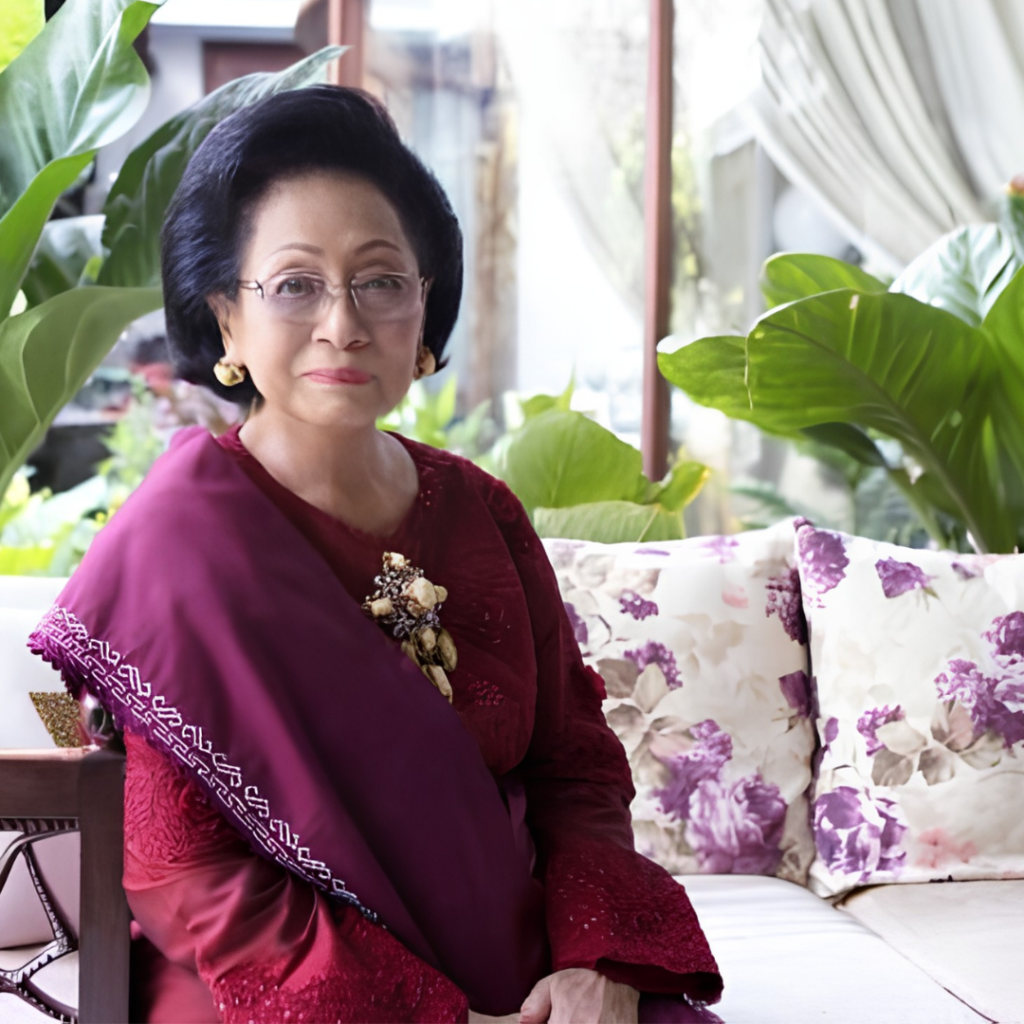
In 1970 Martha Tilaar came home to Jakarta and opened a beauty salon in a room of her family’s house, paid for from savings she had earned working in the United States. Within two years the salon had grown to occupy most of the house, and she was adding treatments made from Indonesian herbs. That work grew, under the name Sariayu, into one of the country’s larger cosmetics groups. The salon that started it took no investor’s money. “The lessons learned during those times,” she has said of her early years, “had indeed prepared me to be self-reliant, independent and brave in facing the world.”
Three years later, in 1973, Mooryati Soedibyo began making jamu in the garage of her home in Jakarta, with two household helpers and Rp25,000 of her own money. Her first product was kunyit asam, a tonic of turmeric and tamarind. She led the work herself. “In 1973 I started this business in the garage of my home,” she recalled, “with two household helpers, which I led myself, with capital of Rp25,000.” She opened her first salon in 1976 and, in 1981, her first factory. The garage venture grew into Mustika Ratu, one of Indonesia’s listed cosmetics and herbal-medicine companies.
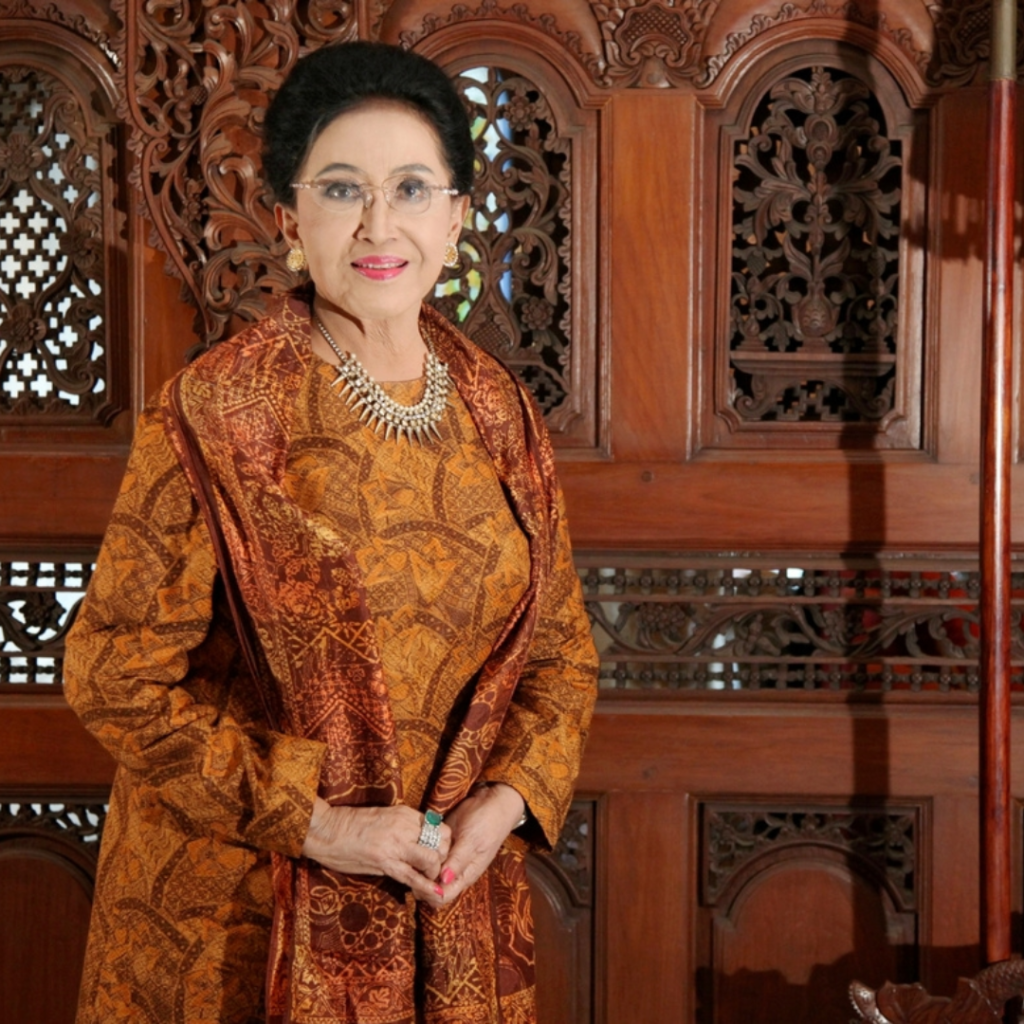
Neither woman began by selling a share of her idea. Each put in her own money, earned from her first customers, and paid for the next stage of the business out of what those customers spent. That way of building has a name now, bootstrapping, and it is the subject of this instalment.
What bootstrapping means
Bootstrapping is building and growing a business on its own resources, the founder’s savings at the start and the revenue and retained profit after that, without selling equity to outside investors. Borrowing from a bank still counts as bootstrapping, because a loan is repaid out of profit and does not dilute ownership, and Mooryati Soedibyo took one to build her first factory. The line a bootstrapper draws is at equity. She does not sell part of the company to fund its growth.
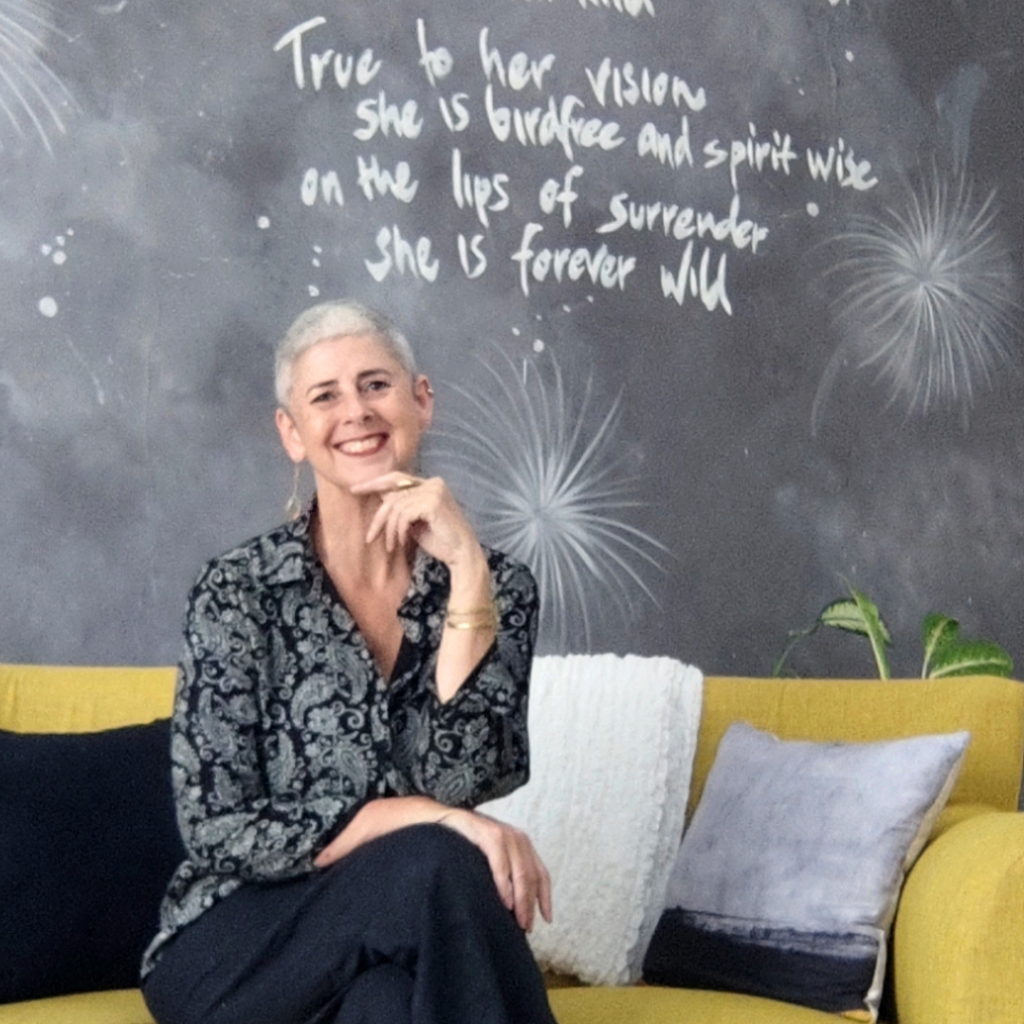
Tracy Wilkinson, who founded TraceWorthy, follows a stricter version of the idea. She sets a higher test than survival: a business has proved itself only when it can pay for its own expansion, when it can cover the next hire and the next unit from its own profit, without a rescue from outside.
TraceWorthy has worked this way from the start. It has never raised capital, and Tracy does not expect that it ever will. The company’s results have varied from year to year, and it has come through on what it earned.
What the numbers show
For many women, bootstrapping begins as the only option open to them. Women-founded startups took around 2 percent of Southeast Asian venture money in 2024, and women make up fewer than one in five of the region’s venture decision-makers, figures the sixth instalment set out. A founder whom investors will not back, or who does not want the terms on offer, funds the business herself, and doing so often works in her favour. Funding growth on her own terms, she decides what kind of business she is building, and a founder who wants a close, well-run company, rather than the largest one she can reach, does not have to accept an investor’s timetable for getting big. Martha Tilaar and Mooryati Soedibyo each grew at the pace their own takings allowed, over decades, and built companies that are still trading today. A founder who grows this way needs patience, and in return she stays in charge of what she builds.
The discipline of funding your own growth
When growth is paid for out of profit, every rupiah spent on a new hire or a new location has been earned first, so a founder watches it closely. When the money comes from a funding round instead, it is there to spend before the business has earned it, and the discipline of spending only what has been earned is lost. TraceWorthy runs on a plain version of that discipline: the founder turns retained earnings into new hires and new business units, and each team is made responsible for its own growth. Each unit hires from what it earns, so a unit that is not yet paying its way works out why before it adds cost. That kind of accountability is hard to reproduce once a founder has used a funding round to pay for the headcount. The habit develops people too: at TraceWorthy, a team that has to earn its own expansion has learned to read its own numbers and to lead itself, and that is one way the company has raised leaders from within.
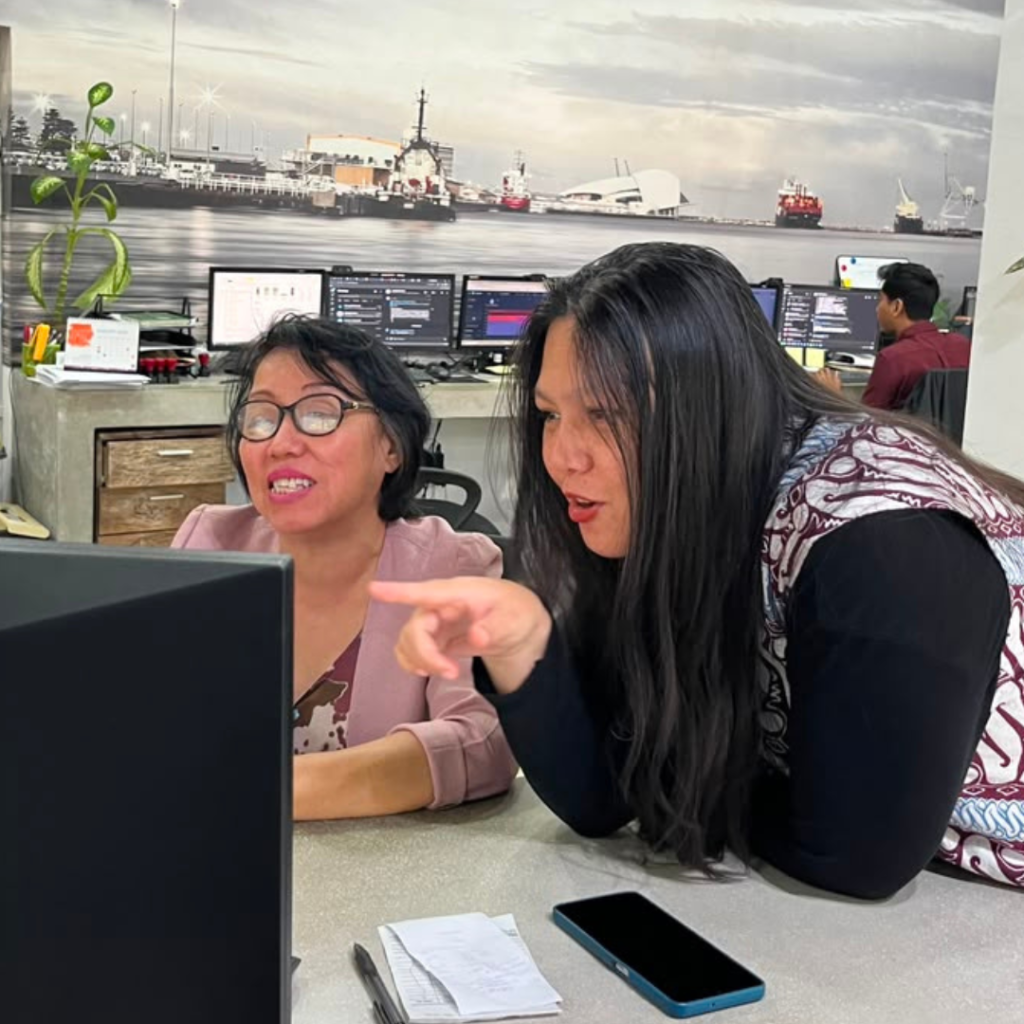
This way of funding growth depends on real numbers: management accounts a founder can read each month, a cash-flow forecast of what the business can afford, the unit economics that identify which parts cover their own costs, and a budget she sets against all three. The planning goes with the numbers: choosing which market to enter next, which product to add, which hire to make, and whether the profit can pay for the move, so a founder expands only when the business can afford it. Together these are the financial management and strategic planning a self-funded business depends on.
Retained profit under the Company Law
A founder who reinvests her profit rather than paying it out is doing something the Company Law already provides for. Under Article 70, a company must set aside part of its net profit each year into a reserve, and keep adding to it until the reserve amounts to at least 20 percent of its issued and paid-up capital, before it may treat profit as freely distributable. Under Article 71, a company may pay dividends only from a positive balance of retained earnings, so it cannot pay its owners out of money it has not made. For a founder who means to reinvest, the reserve gives statutory form to a habit she already keeps, since reinvesting profit means keeping it in the company rather than drawing it out.
There is tax to account for first. Company profit is taxed at the headline corporate rate of 22 percent, with reliefs for smaller businesses, so what a founder reinvests is the profit that remains after tax. By planning for the tax and the reserve, she knows how much of each year’s profit is actually available to reinvest.
What a founder keeps by not raising

An owner who funds her own growth keeps what an investor would otherwise take a share of. Sara Blakely built the shapewear company Spanx in the United States on USD 5,000 of her own savings, earned selling fax machines, and never took a single investor, so when she sold most of the business to the investment group Blackstone in 2021, by then worth over a billion US dollars, the whole of that value was hers. “I bet on myself,” she has said of the choice.
A self-funded owner keeps the equity, and with it the control, because no shareholders’ agreement reserves decisions to an investor and no board seat has been given away. She keeps her options too, free to sell the company, to pass it to her children, to hand it to her team, or to run it for as long as she wishes, with no liquidation preference or exit timetable set by someone else.
The earlier instalments in this series concerned keeping ownership clean and in a founder’s own name. A founder who bootstraps carries the same instinct into how she grows, so her ownership is not diluted along the way.
When raising is the right call
Outside capital is not a mistake for every business. Some cannot be built on retained earnings alone. A company that has to reach scale before a competitor does, or that needs heavy capital before it earns a rupiah, such as a biotechnology company, a chip designer, a capital-heavy manufacturer, or a network that is worth little until it is large, may have to raise in order to exist at all. For those businesses the question is how to raise well, and the sixth instalment is written for exactly that.
Even then, the years a founder spends funding her own growth are not lost to a later raise. A business that has run on its own profit reaches an investor’s diligence with a record of earning, orderly accounts, a clean cap table, and ownership that has never been diluted, which is much of what makes it fundable. Bootstrapping and raising often follow one another as stages, and the discipline of the first does much to make the second easier to raise well.
The advisor’s part
Tracy Wilkinson built TraceWorthy the way the founders in this series built theirs, on its own earnings, and she built it small on purpose. She has never wanted offices scattered across the country or a name on an international letterhead. What she wanted was an intimate business, run on trust and good leadership, and every enterprise she has built has kept those values. The businesses she has built have stayed close-knit by design, small teams that know one another and answer for their own work.
Tracy advises from that conviction. A founder who comes to TraceWorthy wanting to grow is not steered toward a funding round she does not need. The team looks first at whether the business can fund its own next stage, and builds the means for it to do so. That work begins with the numbers and runs through the structuring: the management accounts, the cash-flow forecasting, the tax planning that keeps profit inside the business, and the structuring under which each unit stands on its own. Indonesian accountants, tax specialists, corporate lawyers and compliance professionals do the work as one team, so a founder is not left assembling separate advisers herself.
A business built this way can stay the size its owner chooses, and the ownership stays hers. Tracy has done it, and helping other founders do the same is work she knows from the inside. For a founder, the reward is room to grow at her own pace and to lead the business she actually wanted, answering to the people she serves.
She does what she loves. We look after the rest.
If you are building a business and want it to grow without giving away a share of it, the place to start is to make it fund itself. Speak with our team, and we will set out what that takes for your business.
Our team is your team.
This article is general information current as at 24 July 2026. Company, tax, and investment rules change, and the position for any business depends on its own facts, so obtain advice for your own situation before you act. It is not legal, tax, or financial advice, and it does not create an advisory relationship or reach any conclusion on a particular reader’s position.
Quoted statements are reproduced from the published interviews cited, and the words of Mooryati Soedibyo are translated from the Indonesian source. Company figures are drawn from the sources linked and change over time.
Frequently Asked Questions
What does it mean to bootstrap a business?
To bootstrap is to build and grow a business on its own resources, the founder’s own savings at the start and the revenue and retained profit afterwards, without selling equity to outside investors. The founder funds each stage from what the business earns, so ownership stays whole and no investor takes a share in return for the money.
Is bootstrapping better than raising venture capital?
Neither is better in every case. Bootstrapping keeps ownership and control with the founder and builds a discipline of spending only what the business has earned, though it grows a business slowly and puts the founder’s own money at risk. Raising brings capital and speed, though it dilutes ownership and gives investors a say. The right choice depends on the business, in particular whether it needs heavy capital or scale before it can earn.
Can a bootstrapped business borrow from a bank?
Yes. A bank loan is repaid out of profit and does not give away any part of the company, so borrowing is consistent with bootstrapping in a way that selling equity is not. Mooryati Soedibyo built her first Mustika Ratu factory with a bank loan after starting the business on her own money.
How do retained earnings fund growth under Indonesian law?
A company keeps its profit after tax as retained earnings and reinvests it. Under Article 70 of the Company Law it must first set aside a reserve from net profit each year until the reserve amounts to at least 20 percent of issued and paid-up capital. Under Article 71 it may pay dividends only from a positive retained-earnings balance. A founder who reinvests rather than distributing uses those retained earnings to pay for the next stage of growth.
Do I pay tax on profit I reinvest?
Yes. Company profit is taxed at the headline corporate rate of 22 percent, with reliefs available for smaller businesses, and profit is reinvested from what remains after that tax. Planning for the tax, and for the mandatory reserve, tells a founder how much of each year’s profit is actually available to reinvest.
Does bootstrapping keep me in full control of my company?
It keeps control with you in a way raising equity does not. Without outside investors there is no shareholders’ agreement reserving decisions to them, no investor board seat, no protective veto, and no liquidation preference or exit timetable set by someone else. You keep all of the equity, and the future of the business is yours to decide.
Can a business I bootstrap still raise money later?
Yes, and the years of self-funded growth help rather than hinder that. A business that has run on its own profit reaches an investor’s diligence with a record of earning, orderly accounts, a clean cap table and undiluted ownership, which is much of what makes it fundable. Bootstrapping first and raising later often work as stages, with the discipline of the first improving the terms of the second.