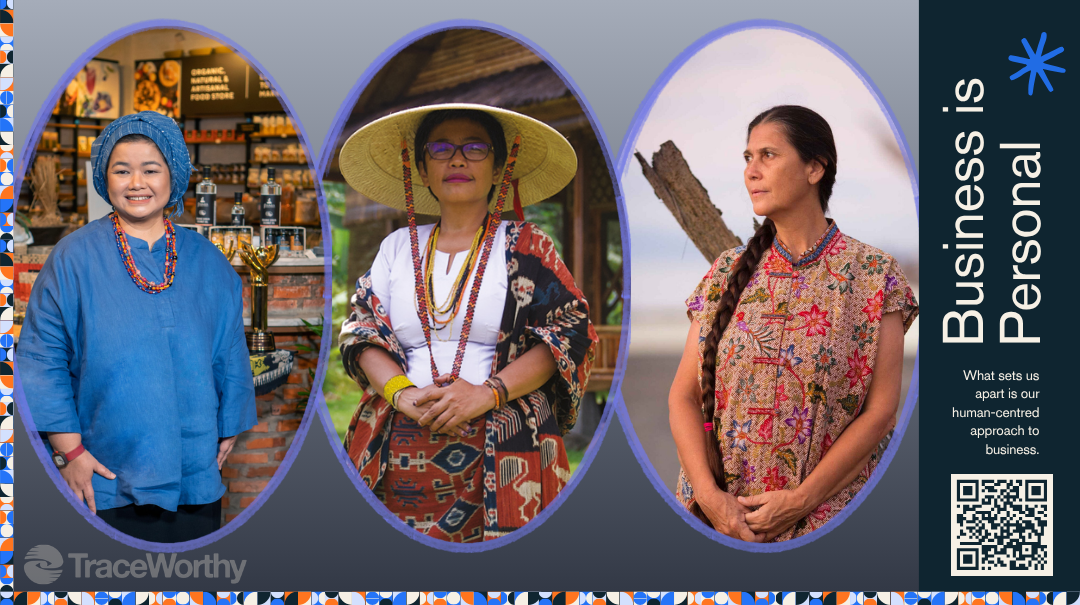
Part of the series: Women Founders in Indonesia
- Women Founders in Indonesia: Nurhayati Subakat, Who Rebuilt After the Fire
- Women Founders in Indonesia: Formalising a Small Business in Indonesia
- Women Founders in Indonesia: Building a Foreign-Owned Business
- Women Founders in Indonesia: Own It in Your Own Name
- Women Founders in Indonesia: Structuring for Impact
- Women Founders in Indonesia: Making a Woman-Led Business Bankable
- Women Founders in Indonesia: The Merits of Bootstrapping a Business
- Women Founders in Indonesia: The Art of Reinvention
- Women Founders in Indonesia: When a Business Has to Close
Current as at 24 July 2026.
Robin Lim has delivered thousands of babies on the floor of a clinic in Bali, and charged the families nothing. She is an American midwife who made Bali her home in the 1990s, and the foundation she runs, Yayasan Bumi Sehat, has given free prenatal care and birth to women who could not pay, in Bali and in Aceh, since 1993. “Babies have taught me that the world is worth saving,” she has said. In 2011 CNN named her its Hero of the Year.
Lim is one of several women whose ventures in Indonesia are built for a purpose beyond profit. Each of them met the same question before the work could grow: what to build the venture as, in law. The choice among a foundation, a company, a cooperative and an association decides who can put money in, who can take money out, whether an investor can join, and whether the purpose survives a change of owner. This instalment profiles four founders and the vehicle each of them chose.
The midwife who built a foundation
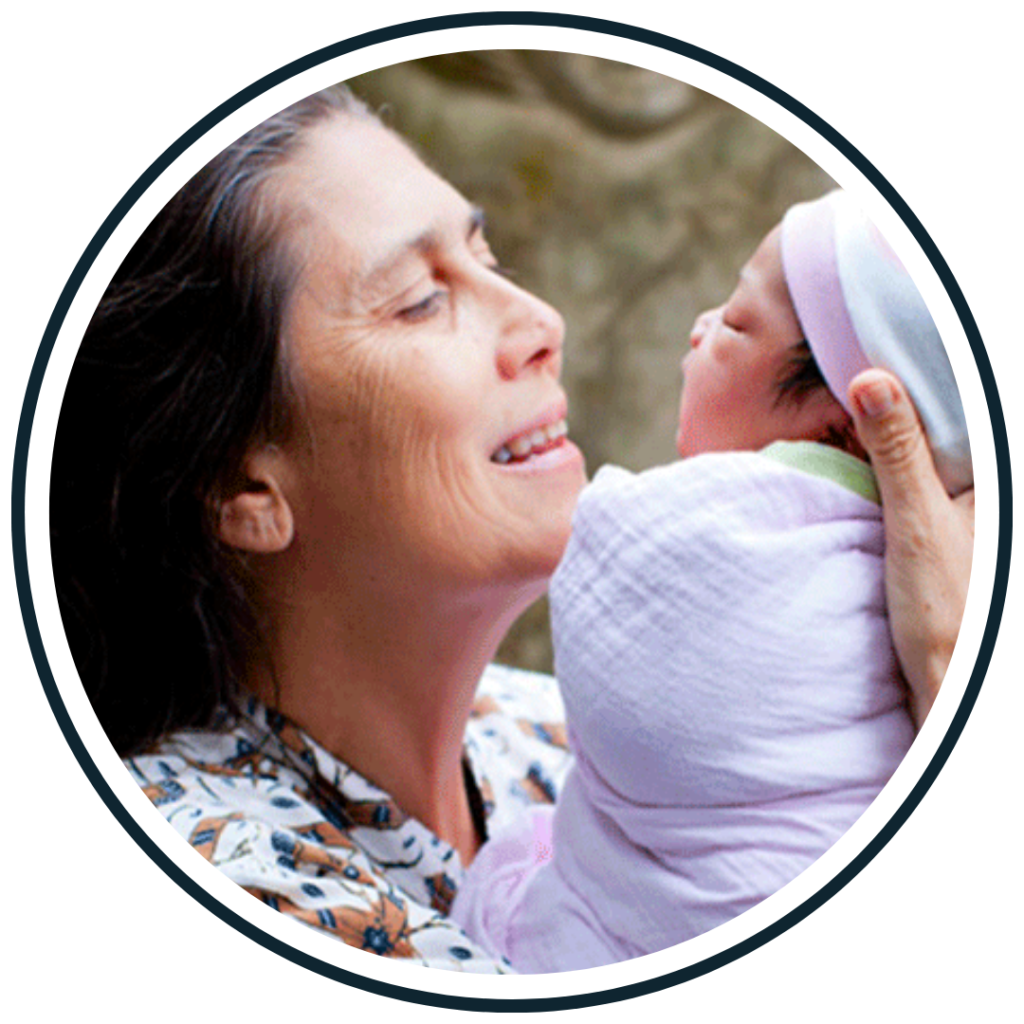
Lim trained as a midwife and settled in Ubud, and she built Bumi Sehat as a place where a woman could give birth safely without a bill. The clinics run on donations and volunteers, and they have supported over 4,000 births and treated over 113,000 people at no charge. When disaster struck Aceh, she opened a clinic there too, and Bumi Sehat has since answered other emergencies where mothers and newborns are most at risk. The clinics offer prenatal care, gentle birth, prenatal yoga and training for new midwives, and Lim treats a gentle birth as a right of the newborn rather than a privilege of the paying. The CNN award brought a grant of 250,000 US dollars, and it went into the work.
Lim built the venture with the midwives she trained, and the model she teaches, a gentle birth attended by a skilled midwife, is what she gives to the women a hospital would turn away. Lim has trained midwives from across the region and written on birth, and Bumi Sehat has drawn volunteers and donors from around the world to a model that treats the poorest mother as it would treat the richest.
The women weaving an income
Research has shown that when women are given more financial autonomy, they are more likely to focus spending on nutritious food, health care, and education. Starting from this thought, Du Anyam continues to strive to innovate, make changes, and make the greatest possible contribution for women to have a better life.
Hanna Keraf has family roots in Flores, in East Nusa Tenggara, one of the poorer provinces in Indonesia, where women wove lontar palm leaves for their own households. In 2014 she and her co-founders, Azalea Ayuningtyas and Melia Winata, built Du’Anyam to turn that skill into a wage.
“It’s about how women can utilise their skills using local materials to make something worth selling,” Keraf has said. “That’s how simple the idea is.”
Around 1,400 women now weave for Du’Anyam across the villages of East Nusa Tenggara and into Papua, and their baskets and homeware have reached the Asian Games and an ASEAN summit.

The idea began with maternal health: a woman with an income of her own eats better and reaches a clinic sooner, in a province where too many mothers and babies did not survive childbirth. Du’Anyam works across some 32 villages in eastern Indonesia, and its weavers now sell lontar-leaf baskets and homeware across the country and abroad. Keraf has become one of the recognised faces of social enterprise in Indonesia, and Du’Anyam has worked with health and nutrition programmes to reach further into the province.
The forgotten foods, brought to market

Helianti Hilman built Javara to rescue Indonesian foods that were falling out of use, the heirloom grains, the forest honeys, the palm sugars and the other indigenous foods that the mass market had ignored.
“I thought it would be sad for this heritage to be forgotten or lost,” she has said. “That is why I was thinking about how to bring food biodiversity to the market and help revive it through market participation.”
Javara now works with over 50,000 smallholder farmers and 2,000 food artisans, sells over 700 products, and reaches markets in over 20 countries across five continents. It is a company, and it built a training arm, the Javara Academy, so a farmer becomes a food entrepreneur rather than a supplier who takes whatever price a buyer offers. The purpose is to keep Indonesia’s food biodiversity alive by giving it a market. The farmers get a buyer for crops that once had none, and a price set for quality rather than volume.
The last mile, by experiment
Ewa Wojkowska and her co-founder Toshihiro Nakamura built Kopernik in 2010 to get simple technology, solar lights, clean cookstoves, water filters and small farming tools, to communities at the end of the supply chain, the last mile that markets do not reach. They ran it as a lean laboratory rather than a charity that ships goods and hopes, testing a technology with a community, measuring what changed, and keeping only what worked. The model let Kopernik spin off what worked into new ventures, so a proven idea could continue without it.

Kopernik has put technology into the hands of around 180,000 people in remote Indonesia and around 200,000 more across 25 countries. In 2016 it won the Zayed Future Energy Prize, now the Zayed Sustainability Prize, in the non-profit category, a prize of 1.5 million US dollars. “There is no prize like this in the world,” Wojkowska said. “So, it’s a game changer for us.”
The vehicle decision
Indonesia has no legal form made for a social enterprise, no equivalent of the community interest company or the benefit corporation used elsewhere. A founder with a mission chooses among the ordinary vehicles, and the choice shapes what the venture can and cannot do. A foundation, a yayasan, has no owners and no shareholders, and it exists for a stated social, religious or humanitarian purpose. Under the Foundation Law, it may run activities that support that purpose, and it may not pass its assets or its surplus to the people who run it, its founders, its board or its supervisors, whether as profit or as pay of any kind. Bumi Sehat is a foundation, and that is why its clinics can take donations and run on them with no owner expecting a return.
A foundation may also earn. It can operate a business that supports its purpose, and it can take a stake in a company, though the Foundation Law caps that stake at 25 percent of the foundation’s total assets. The route many mission-led ventures take is a pairing, a foundation that owns and directs a company, so the company trades while the foundation locks the purpose. A company on its own, a Perseroan Terbatas under the Company Law, can raise equity and take on investors, which a foundation cannot, and Javara is built as a company for that reason. The trade is control, because a company’s owners can in time vote to change what it is for, where a foundation’s purpose is fixed in its deed.
Two further vehicles fit particular ventures. A cooperative, a koperasi under the Cooperatives Law, is owned by its members and shares its surplus among them, which suits a venture whose value is made by the same people who should gain from it, the farmers or the weavers themselves. An association, a perkumpulan, is a membership body for a shared non-profit aim. A weaving venture like Du’Anyam, or a farming network like the one behind Javara, can take the form of a company, a cooperative, or a company owned by a foundation, and the right answer turns on who should own the value the venture creates and on how the venture will be funded.
Governance that keeps a mission
The governance written into a venture is what protects its mission through growth and a change of owner, whichever vehicle it uses. A foundation also reports each year on the use of its funds, which reassures the donors and grant-makers a mission venture depends on. A foundation fixes its purpose in its deed, and its board is bound to that purpose rather than to an owner. A company can write its mission into its articles and its shareholders’ agreement, appoint directors who answer to it, and reserve certain decisions so a later investor cannot quietly redirect the venture. Where a foundation owns the company, a founder can raise commercial money inside the company while the foundation keeps the purpose above it.
Which of these fits depends on the venture’s own facts, its funding, its founders and the people it serves, so we set out the structure for a named venture rather than reading a rule in the abstract.
The part TraceWorthy plays
Each of these founders built something people needed: safe births, a wage for village women, a market for forgotten foods, and technology at the last mile. The vehicle, the deed, the governance and the reporting are the work between a mission and the room to grow it, and it is work we do.
TraceWorthy advises on the vehicle and the pairing that fit the mission and the funding. We draft the foundation deed or the company’s articles and shareholders’ agreement for a notary to execute, and we build the governance that keeps the purpose through a change of owner or a round of funding.
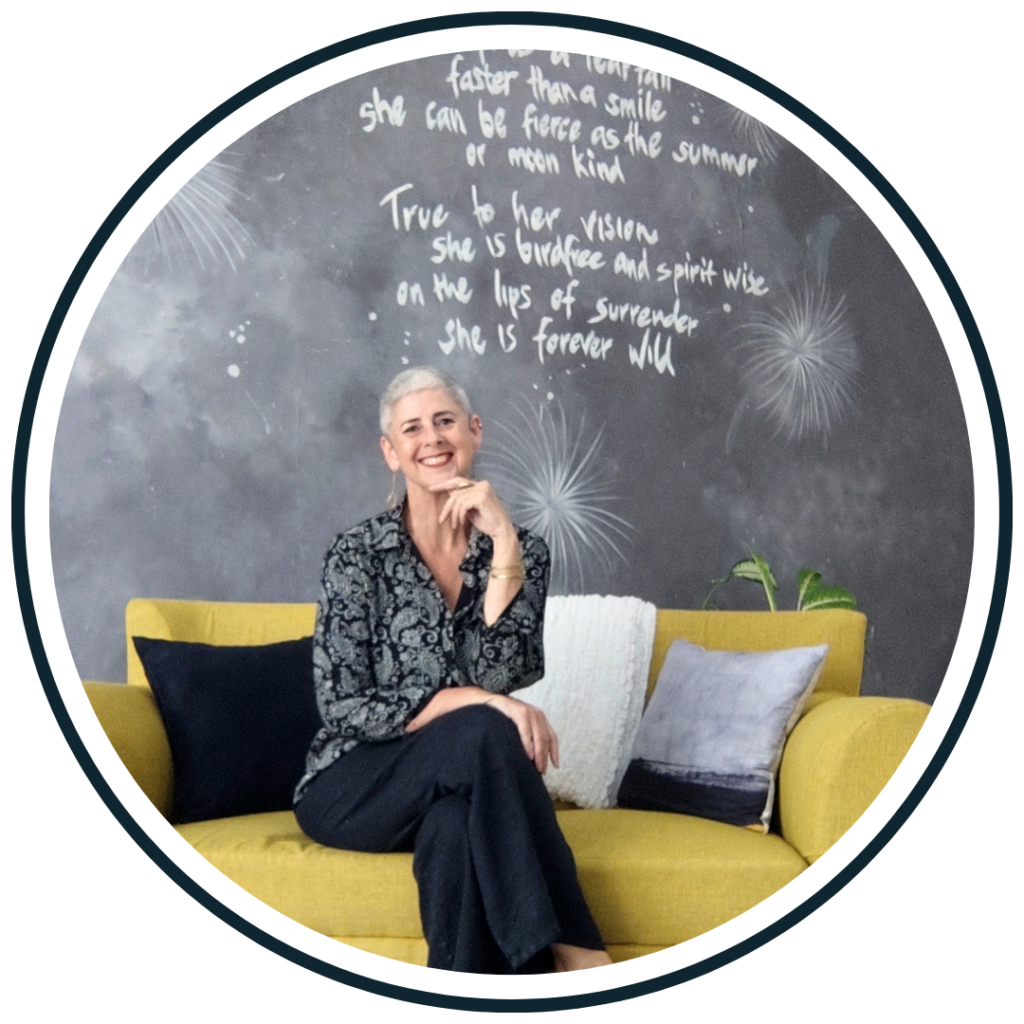
Our founder, Tracy Wilkinson, listens for what a founder is protecting, the people a venture serves and the mission behind it, and she says the hard thing early, that a mission is only as safe as the structure built around it. The lawyers, notarial specialists and compliance professionals on our team put the structure and the records in place, so a founder is free to run what she built. She does what she loves. We look after the rest.
If you are building a venture with a mission, the shape you give it in law decides whether the mission outlives you. Speak with our team before the entity is formed, and we will set out the vehicle and the governance that fit what you are building.
Our team is your team.
This article is general information current as at 22 July 2026. Company, foundation, tax and cooperative rules change, and the position for any venture depends on its own facts, so obtain advice for your own situation before you act. It is not legal, tax, or financial advice, and it does not create an advisory relationship or reach any conclusion on a particular reader’s position.
Quoted statements are reproduced from the published sources cited, and figures are drawn from those sources and change over time.
Frequently Asked Questions
Does Indonesia have a legal form made for social enterprises?
No. Indonesia has no dedicated social-enterprise vehicle of the kind some countries use, such as the community interest company or the benefit corporation. A mission-driven founder chooses among the ordinary legal forms: a foundation, a company, a cooperative or an association, or a pairing of them.
What is a yayasan, and can it earn money?
A yayasan is a foundation, a legal person with no owners and no shareholders, set up for a social, religious or humanitarian purpose. Under the Foundation Law it may run activities that support its purpose, so it can earn, and it may take a stake of up to 25 percent of its assets in a company. It may not distribute its surplus to the people who run it.
Can a foundation own a company?
Yes, within the 25 percent limit on the value of the stake against the foundation’s total assets. Many mission-led ventures use a pairing, a foundation that owns and directs a company, so the company can trade and raise money while the foundation keeps the purpose fixed.
A foundation or a company: which protects a mission better?
A foundation locks its purpose in its deed and has no owner who can change it, which protects the mission, though it cannot raise equity. A company can raise equity and take investors, yet its owners can later vote to change what it is for, unless the mission is written into the articles and the shareholders’ agreement and certain decisions are reserved. The pairing of a foundation over a company aims to give both.
Can the people who run a foundation be paid?
The Foundation Law bars a yayasan from passing its assets to its founders, its board or its supervisors as pay of any kind. Limited exceptions apply to managers who work full-time and are not founders or affiliated with them, so take advice on the position for your own board before you set any pay.
How do I raise investment without losing control of the mission?
Raise the money inside a company whose articles and shareholders’ agreement fix the mission and reserve the decisions that would change it, or place that company under a foundation that keeps the purpose above it. The design depends on the size and type of the funding, so it is set for the venture rather than from a template.
Which vehicle suits a venture owned by the people it benefits, such as farmers or weavers?
A cooperative is owned by its members and shares its surplus among them, which fits a venture whose value is made by the people who should gain from it. Where the venture also needs outside investment or a trading arm, a company, or a company under a foundation, can work alongside the cooperative or replace it.