Part of the series: Women Founders in Indonesia
- Women Founders in Indonesia: Nurhayati Subakat, Who Rebuilt After the Fire
- Women Founders in Indonesia: Formalising a Small Business in Indonesia
- Women Founders in Indonesia: Building a Foreign-Owned Business
- Women Founders in Indonesia: Own It in Your Own Name
- Women Founders in Indonesia: Structuring for Impact
- Women Founders in Indonesia: Making a Woman-Led Business Bankable
- Women Founders in Indonesia: The Merits of Bootstrapping a Business
- Women Founders in Indonesia: The Art of Reinvention
- Women Founders in Indonesia: When a Business Has to Close
Current as at 24 July 2026.
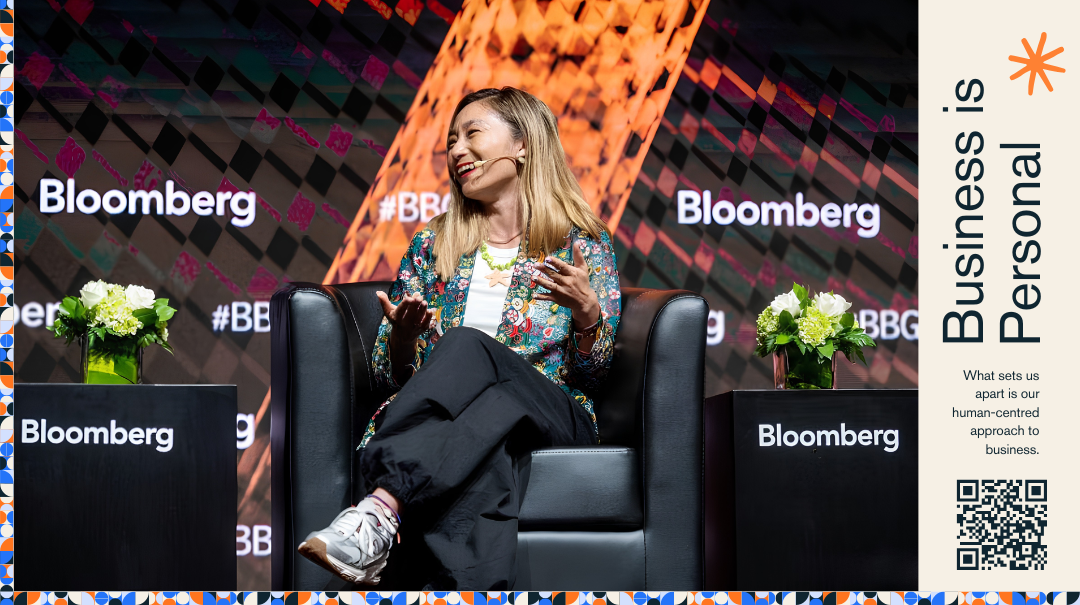
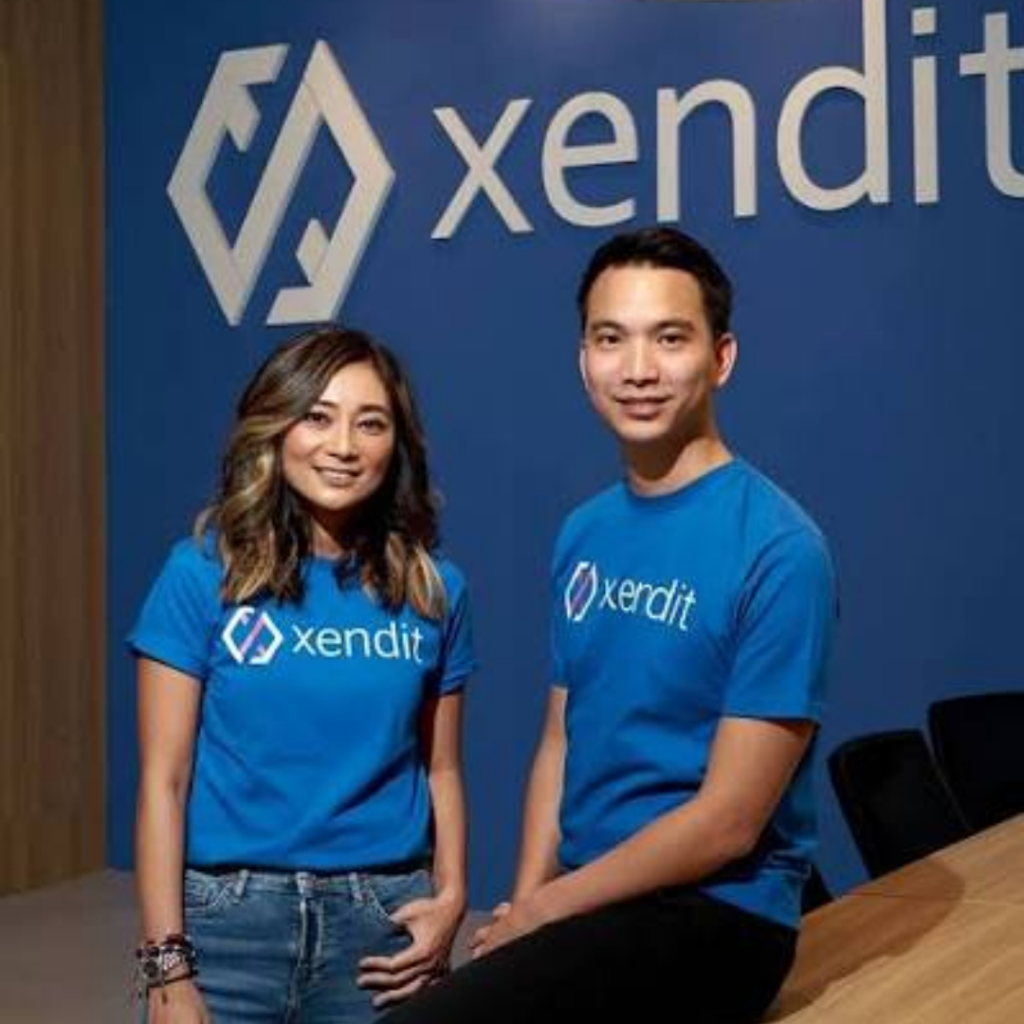
Tessa Wijaya joined a private equity fund in Jakarta in her early twenties, with no finance degree and no Ivy League name, and taught herself to value companies after hours. “For me, it was a massive challenge,” she has said. “How do I keep up with these people? I had no Ivy League degree.” She spent years in private equity, learning how investors decide where money goes, and in 2015 she used that knowledge on the other side of the table, as a co-founder and the chief operating officer of Xendit, a payments company for businesses across Southeast Asia. Xendit is backed by global venture funds, and Wijaya has sat on both sides of a funding table, once assessing founders as an investor and now answering to investors as one.
By the time Xendit became a unicorn in September 2021, valued at over a billion US dollars, it was processing over 65 million transactions a year, some 6.5 billion US dollars in value. A woman from Sukabumi, a town in West Java, backed by billion-dollar funds, is not the founder a venture capitalist pictures, and Wijaya is one of very few women to have co-founded a Southeast Asian company of that size. She has used her position for other women too. Xendit’s workforce is 40 percent women, and the company runs mentorship for women in technology, return-to-work schemes for new mothers, and support for working parents.
“I’ve been given the great opportunity to change how the workplace behaves, so more women can move up,” she has said.
The gap she is an exception to
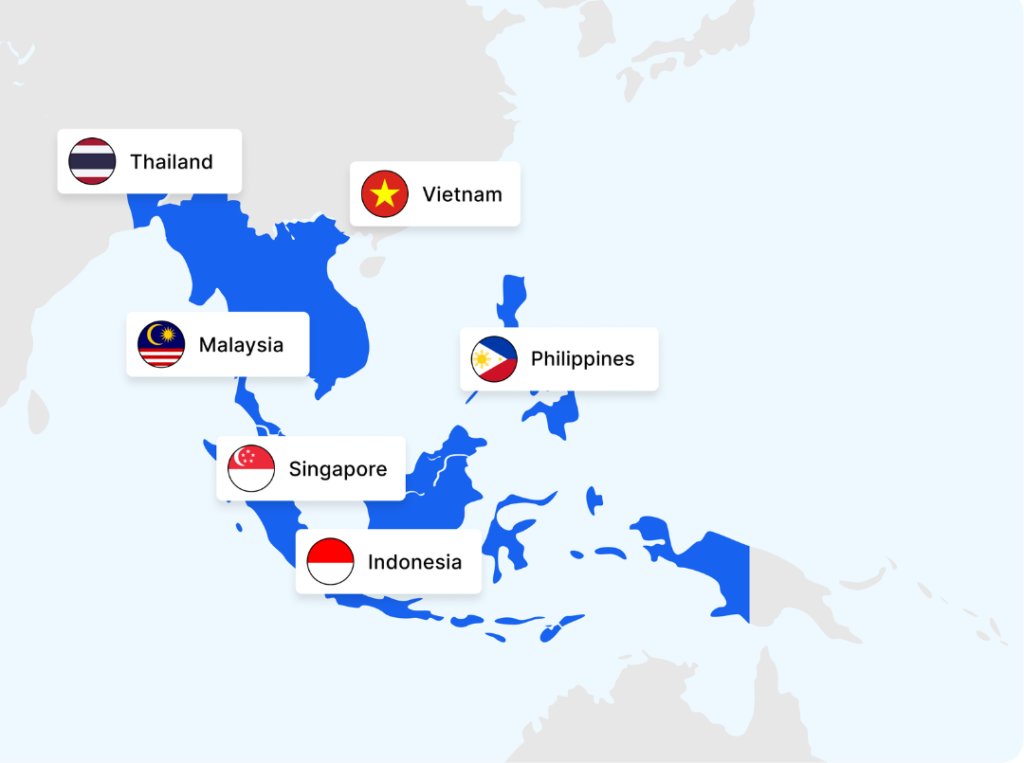
The field Wijaya broke into is overwhelmingly male. Women-founded startups take a small share of the venture money in Southeast Asia, around 2 percent of deal value in 2024, according to DealStreetAsia, and women make up fewer than one in five of the region’s venture decision-makers. These are Southeast Asian figures, reported at the regional level, and Indonesia sits inside them rather than being measured on its own.
The gap has two parts. One part is bias, in who decides and whom they choose to back, which a founder cannot fix on her own. The other part is what we call the diligence gap, the part an investor can see in the company’s own records. A business that is not cleanly owned, cleanly recorded, registered and governed is one a careful investor cannot back, whoever founded it, and some founders get in front of an investor only to fail a check they could have passed.
That second part is the one a founder can act on. This instalment addresses it, because it is the part within her reach, and because it is the part TraceWorthy is built to close. The bias is not a founder’s alone to solve. The paperwork is the part she controls, and it decides whether a good business is a fundable one.
What an investor checks before it invests
Whatever a founder has built, a bank or an investor asks the same questions of it before it puts money in. They fall into the areas any diligence covers, weighted differently from one deal to the next.
| What an investor checks | What it is looking for | The risk if it is missing |
|---|---|---|
| Ownership and the cap table | Clean ownership recorded on the share register, with the beneficial owners disclosed | An investor buys from the registered owner, so a confused or hidden register stops the deal |
| Paid-up capital | Issued shares that are actually paid up, rather than recorded as issued and left unpaid | Unpaid capital is a debt owed back to the company and a warranty an investor cannot safely take |
| The founder’s shares | Shares free of a spouse’s claim or a nominee’s name | A share the founder cannot freely sell is a share an investor will not buy |
| Accounts, tax and related parties | Orderly books, tax filed and paid, and dealings with connected parties disclosed and at arm’s length | An investor values the business from its records, and open tax or hidden related-party terms distort every figure above them |
| Debts, guarantees and contingent liabilities | A full account of what the company owes, including claims not yet crystallised | The buyer inherits every liability with the shares, so the downside is examined before the price is set |
| Litigation and disputes | Any pending or threatened claim, and any regulatory action | A single live claim can exceed the round, and an undisclosed one breaks the warranties |
| Formal status, licences and certification | A registered entity with its business identification number, its sector licences, and any certification its product needs | An informal or unlicensed operation cannot be bought into safely |
| Employment and labour | Written contracts, BPJS registration and payment, termination exposure, and permits for any foreign staff | Unmet manpower obligations are a direct and quantifiable liability |
| Intellectual property and contracts | The intellectual property, the brand and the key contracts owned by the company, not the founder in person | Anything in the founder’s own name leaves with her and is not part of what is bought |
| Premises and land | Land or a lease that is secure, correctly titled, and zoned for the use the business makes of it | A business on unsecured or wrongly zoned land is at risk at its foundation |
| Governance | A board, a shareholders’ agreement, and reserved decisions that set how the company’s money and direction can change | An investor commits capital where it can see the company will be run with care after the cheque clears |
A business that can answer across these areas on paper is fundable to investors examining it, and the founder’s gender does not enter the sum. The weight on each area shifts with the deal and the sector, so the position for a named company is worked out on its own facts.
The reason these questions decide the outcome is that an investor buys shares and takes warranties, the written promises that the company is what the founder says it is, backed by the founder’s own money if they turn out to be false. A founder who cannot answer for those promises cannot close the round, however strong the business. Diligence is where a founder’s account is tested against the records, and a business with no records to show does not survive that test. A founder can rehearse a pitch, and in diligence an investor reads the records behind it.
The structure behind each answer
Most of what an investor checks is answered by structure and by orderly records, not by a pitch. A clean share register, the record the directors are required to keep under Article 50 of the Company Law, shows who owns the company and in what proportion, and it is the document an investor reads first. Orderly books and filed tax returns show the accounts, and they let an investor value the business rather than guess at it. A registered company with its business identification number and licences shows formal status, which an informal trade cannot present, as our instalment on formalising a business set out. A prenuptial or postnuptial agreement, where a married founder needs one, keeps her shares her own and free of a spouse’s consent. Assignments and written contracts put the intellectual property, the brand and the key relationships inside the company rather than in a founder’s head. The same records also show what the company owes, whether it faces any claim, whether its employment obligations are met, and how it has dealt with connected parties, none of it reconstructed under questioning. None of this is glamorous, and all of it is what an investor requires before it will offer terms.
Governance decides how the company is run once an investor’s money is in it. A board, a company constitution, a shareholders’ agreement, and a set of decisions reserved so that no one can quietly move the company’s money or change its direction, are what tell an investor its capital will be handled with care after the cheque clears. A founder who has built this before she raises negotiates from a position of order. Without it, she assembles the same structure during diligence itself, under pressure and at the worst possible time, while an investor waits on her answer. The founders who raise most smoothly are the ones whose company could be examined at any hour and found in order, whatever the pitch on the day.
Why the nominee shortcut fails a founder here too
A founder who owns her company through a nominee, or leaves her shares tangled in an undisclosed arrangement, is stopped at diligence. An investor buys shares from the person the register says owns them, and it takes a warranty that the ownership is true and clean. A nominee arrangement, which is prohibited and unenforceable in Indonesia, cannot support that warranty, and a founder who cannot give a clean warranty on her own shares cannot sell them. The same is true of shares that are marital property without an agreement, because a share an investor cannot be sure the founder controls is a share it will not buy. Clean ownership in the founder’s own name is the lawful position, and it is also the fundable one.
The lesson repeats across this series: the shortcut that looks cheaper at the start is the one that costs a founder the most later, at the bank, at the notary, or in the diligence room.
What the whole series has been building toward
Every earlier piece in this series has been one part of this answer.
- The move from an informal trade to a registered company gives an investor an entity to buy into.
- Ownership in a woman’s own name, protected by a marriage agreement, gives her shares she can sell.
- The right vehicle, a company rather than a foundation, lets a venture take equity at all, as our instalment on structuring for impact set out.
- A compliant structure, not a nominee, gives a foreign or a local founder a title that survives examination.
Bankability is not a separate task. It is what these steps add up to, seen from the other side of the table, through the eyes of the person deciding whether to fund. A founder who has followed this series has, in effect, been assembling the makings of a data room one instalment at a time, and this final piece is where they are read together.
What the structure is for
None of this structure is the point of a business, and that is worth stating before the work behind it is described. Wijaya built a payments company that processed billions, and the ownership, the records, the licences and the governance that let it raise were built alongside the company rather than ahead of it. The sequence runs one way: a founder makes something people want, and structure is what lets a bank or an investor see it for what it is. Structure does not make a weak business fundable. What it gives a sound business is a fair hearing, where an investor’s decision rests on the business itself.
The advisor’s part
No founder builds a business in order to answer an investor’s questions. She builds it for the vision itself, for the product she believes in and the people she means to reach. Raising money is one means of realising that vision. The diligence a raise involves, the examination of ownership, tax, accounts, licenses and governance, sometimes occurs as a hurdle between a founder and the vision. Clearing that hurdle is not hers to do alone.
TraceWorthy takes on that work, beginning the way Tracy Wilkinson begins every engagement, by listening, for what a founder is building and the reason she began it, and by saying the hard thing early – that an investor can refuse a sound business over disorder in its own records.
Some founders come early, while the business is still taking shape, and the TraceWorthy team builds the ownership, the accounts, the licenses and the governance alongside it, so the readiness is there whenever she chooses to raise. Others come once the decision to raise is already made, and the TraceWorthy team runs a clean-up, putting the business in order for the diligence ahead.
TraceWorthy is also engaged from the other side, by a prospective investor, to carry out that diligence and to advise on the risk of the investment. Doing that work in other deals is how the team knows, from the inside, what the examination tests.
Across all of it a founder deals with one team, Indonesian lawyers, accountants, tax specialists, immigration and compliance professionals, rather than five separate advisers she has to coordinate herself. From wherever she is in her company lifecycle, the weight of that work comes off her, which frees her to stay focused on the vision and playing to her strengths.
She does what she loves. We look after the rest.
If you are building a business you will want a bank or an investor to back, the time to put the structure right is before you raise, not in the middle of the diligence. Speak with our team, and we will set out what it takes to make your business one they can fund.
Our team is your team.
This article is general information current as at 24 July 2026. Company, tax, and investment rules change, and the position for any business depends on its own facts, so obtain advice for your own situation before you act. It is not legal, tax, or financial advice, and it does not create an advisory relationship or reach any conclusion on a particular reader’s position.
Quoted statements are reproduced from the published interviews cited, and company figures are drawn from the sources linked and change over time.
Frequently Asked Questions
What do investors and banks look for before they fund a business?
They look at who owns the company and whether that ownership is clean and recorded, whether the accounts are orderly and the tax is paid, whether the business is a formal registered entity with its licences in order, whether the founder’s shares are free of a spouse’s or a nominee’s claim, and whether the company owns its intellectual property and key contracts. Structure and records answer each of these, and a business missing them fails the diligence whatever its promise.
Does the funding gap mean a woman-led business is harder to fund?
Women-founded startups took around 2 percent of Southeast Asian deal value in 2024, and women make up fewer than one in five of the region’s venture decision-makers, so the gap is real. One part is bias, which a founder cannot fix alone. The other part is a diligence gap, a business that is not cleanly owned, recorded, registered or governed, which structure can fix. This is the part within a founder’s reach.
What is a cap table, and why does an investor read it?
A cap table, the capitalisation table, is the record of who owns the company’s shares and in what proportion, recorded on the share register the directors keep under Article 50 of the Company Law. An investor reads it to see exactly what it is buying and whether the ownership is clean, so a confused or undisclosed cap table stops a deal before it starts.
My business is informal. Can I still raise investment?
Not until it is formal. An investor buys shares in a registered company, so an informal trade has to be incorporated first, with a business identification number, tax registration and orderly records. Formalising is the step that makes a business capable of taking investment at all.
I own my company through a nominee, or my shares may be shared with my spouse. Is that a problem for investors?
Yes. An investor takes warranties that the founder truly and cleanly owns the shares she is selling. A nominee arrangement is unenforceable in Indonesia and cannot support that warranty, and shares that are marital property can need a spouse’s consent. Putting the ownership clean and in the founder’s own name is part of becoming fundable.
How long does it take to make a business fundable?
It depends on the state it starts in. A clean incorporation is quick; a business with an informal history, a tangled cap table or missing records takes longer, because the work is corrective as well as constructive. The point is to start before you raise, so the diligence meets a business that is already in order.
Does TraceWorthy raise the money, or only prepare the business?
We prepare the business. We put the entity, the ownership, the books, the agreements and the records in the state a bank or an investor can trust, so the diligence passes. We do not act as a placement agent, and we do not promise a particular investor or a particular outcome.