Part of the series: Beyond Tourism
- Bali 2036: Growth Alone Will Not Protect Your Business
- Beyond Tourism: Bali Needs Waste Solutions
- Beyond Villas: Trade and Distribution in Bali
- Beyond Bali: Infrastructure and Built-Environment Services as Foreign Investment in Indonesia
- Beyond Beach Clubs: Creative Production, Events, and Destination Experiences as Foreign Investment in Indonesia
- Beyond Tourism: The Blue Economy in Indonesia – Marine and Fisheries Investment
- From Ingredient to Invoice: Food and Beverage Production as a Foreign Investment in Indonesia
- Teaching Without Permission: Lawful Entry into Indonesia's Education and Skill-Transfer Sector
- Built to Scale: Sports and Recreation Investment in Indonesia
- Clean by Design: Water Treatment, Refill, and Wastewater Enterprises in Indonesia
- The Sexiest Cow in Bali: Turning Business Waste Into a Product
Why imported systems often fail, and where foreign investors can still create value
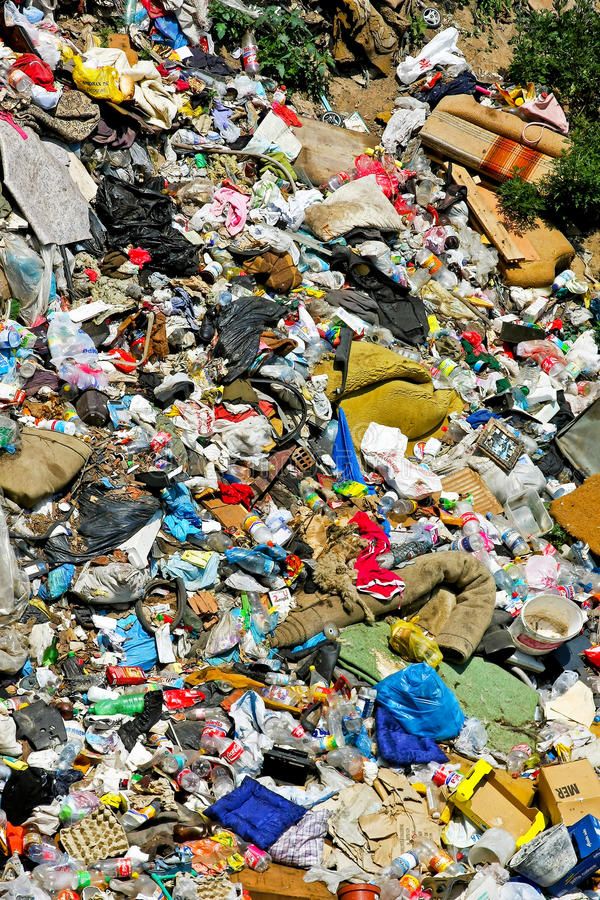
Bali’s waste emergency is visible in overflowing disposal sites, mixed roadside waste, pressure on local collection routes, and the growing public focus on landfill capacity. In April 2026, Indonesia’s Environment Minister said open dumping across the country must end by July 2026, with Bali publicly identified as a province expected to move early. Bali was already entering a difficult operating transition. Suwung was scheduled to close from March 2026, and the Ministry said any waste sent to Landih in Bangli should be residual waste only. Those facts place direct pressure on the parts of the chain that sit before final disposal: household separation, business waste discipline, neighbourhood collection, transfer, local processing, and residual control.
The funding and supervision base remains thin. The World Bank said in 2025 that Indonesian local governments allocate less than one per cent of their budgets to solid waste management, a level it described as low against both domestic recommendations and international practice. The same World Bank material said household tariffs are very low and that many local governments still do not oversee the neighbourhood organisations handling primary collection. For an investor, those details matter. Facilities rely on daily collection, reliable delivery, route discipline, site management, labour supervision, and reject handling. Weakness in those service layers can affect a project before the machinery is tested at commercial scale.
The physical character of the waste stream adds another layer. Nationally, the Environment Ministry said food waste remains the largest component of Indonesia’s waste stream, with plastic in second place. In Bali, a 2025 Denpasar study found a stream dominated by organic waste at 41 per cent, ritual waste at 25 per cent, and plastic at 12 per cent. That composition has immediate commercial consequences. Wet and mixed feedstock increases transport weight, complicates sorting, accelerates odour risk, affects storage, and reduces the quality of recoverable material. Ritual waste adds a local operating condition that imported plant models from Europe, Australia, or Singapore did not have to solve in the same way during their own development.
Bali’s policy direction already places responsibility earlier in the chain. Source-based management has been pushed repeatedly, and by April 2026 Bali had begun formally restricting organic waste entering Suwung. The official line was clear: households, businesses, and managed areas are expected to separate and process more of their waste before material reaches final disposal. For foreign investors, that policy direction shifts the commercial test. Any proposal needs to show how it will receive usable material, manage organic content, control residuals, and operate within a province that is asking waste producers to sort and treat more material close to source.
National operating data adds a further caution. In February 2026, the Deputy Environment Minister said around 30 per cent of Indonesia’s TPS3R facilities were inactive. The same report said the Government was drafting a joint ministerial decree to reactivate idle community-based sites as part of a wider push towards full waste-management coverage by 2029. Investors should read that as an operational signal. Collection points, sorting centres, transfer operations, site management, staff discipline, and buyer relationships may need direct development inside the project plan rather than being treated as external conditions already available in the market.
The commercial reading follows from those facts. Investors arriving with proven machinery from elsewhere still need to test whether Bali can supply the material, service discipline, labour systems, contracts, data, and buyers required for the model to operate. Feedstock quality, source separation, collection discipline, routing, labour supervision, data, and off-take determine whether a facility receives material it can process, whether odour and leakage remain controlled, and whether output can be sold. Equipment selection belongs after that evidence has been tested through local waste audits, collection mapping, off-take discussions, site assessment, and operating-cost modelling.
Bali’s strongest waste opportunities now sit in the service layers that prepare material for treatment, recovery, or final residual handling. Foreign capital can still play a useful role where the project is built around tested feedstock, contractable collection and sorting, organics processing, transport logic, accountable site operations, and reliable outlets for recovered material. These details should be assessed before land is leased, equipment is imported, public claims are made, or capital is committed.
Five-minute investor summary
Bali’s waste sector should be assessed through the parts of the chain that affect daily performance: material quality, collection reliability, processing cost, buyer demand, and local acceptance.
| Investor issue | What needs to be proven |
|---|---|
| Material | The project can receive waste that matches the process, or the process can handle the contamination level actually found in Bali. |
| Collection | Routes, staff, vehicles, sorting rules, and transfer points can deliver the required volume on a consistent schedule. |
| Processing | Equipment, labour, maintenance, odour control, residue handling, and site management have been costed for daily operation. |
| Output | RDF, compost, recycled plastic, larvae products, or recovered material has a confirmed buyer, user, or lawful disposal pathway. |
| Local fit | Nearby communities, existing operators, land arrangements, permits, and customer behaviour have been tested before capital is committed. |
A credible proposal should be able to name the waste stream, the customer group, the collection route, the processing site, the output pathway, and the party responsible for each step.
Why imported waste solutions often disappoint in Indonesia
Foreign investors often arrive with a technical answer before the operating conditions have been mapped. The World Bank’s guidance on waste governance says there is no single institutional model that fits every setting, and that waste systems need to match local geography, finance, service arrangements, and stakeholder realities. Indonesia’s current waste system remains uneven across those conditions. A plant that performed well elsewhere can underperform in Indonesia when the project plan assumes cleaner feedstock, steadier collection, stronger supervision, or more dependable off-take than the local market can supply.
Where imported models usually break down:
| Failure point | What it looks like in practice | What investors need to test |
|---|---|---|
| Feedstock mismatch | Wet, mixed, contaminated material reaches the facility | Waste audits, contamination tolerance, source separation rules |
| Weak collection discipline | Late pick-ups, mixed loads, unreliable volumes | Route trials, customer contracts, collection accountability |
| Thin operating budget | Maintenance, labour, transport, and rejects underfunded | Full operating-cost model, not only capital cost |
| No confirmed buyer | Output accumulates or sells below forecast | Buyer specifications, price, volume, payment terms |
| Community resistance | Odour, smoke, truck routes, drainage, or health complaints | Site consultation, grievance route, emissions and nuisance controls |
Investment sequence determines whether the model can operate
Indonesia and Bali need more capital, better operators, and stronger waste infrastructure. The investment sequence should begin with evidence: waste audits, collection-route mapping, contamination testing, site assessment, off-take discussions, labour planning, community engagement, permitting review, and operating-cost modelling. Equipment can then be selected to fit the material, service conditions, and buyer demand already tested. Projects that commit capital before that work is complete carry avoidable exposure to idle capacity, poor output quality, community resistance, and weak revenue conversion.
Who is already making progress in Indonesia
Indonesia’s waste sector already has operators working across collection, sorting, recovery, organics, plastics, coastal aggregation, and river interception. Their models are useful for foreign investors because they show where the market has already moved beyond proposal-stage thinking. The practical question for a new entrant is whether it can fill a real gap around these operators, strengthen a weak part of the chain, or bring a tested capability that local conditions can actually absorb.
Waste4Change
Waste4Change is one of the stronger examples of an Indonesian operator building around service discipline, traceability, and customer behaviour. In October 2022, AC Ventures reported that Waste4Change had secured a US$5 million Series A funding round co-led by AC Ventures and PT Barito Mitra Investama. The same report said Waste4Change was present in 21 Indonesian cities, managed more than 8,000 tonnes of waste per year, had served more than 100 business clients and more than 3,450 residential clients, and required customers to sort waste before direct collection and reporting.
Waste4Change’s model links sorting instructions, collection, processing, and reporting into a service that clients can contract. For foreign investors, this shows a more mature part of the Indonesian market: commercial customers increasingly need waste handling that can be evidenced, reported, and aligned with internal sustainability or producer-responsibility obligations.
Waste4Change also expanded into Bali through ecoBali. Its company history records that it officially acquired ecoBali in 2022 to expand service coverage, particularly in Bali. That kind of growth is worth noting because waste operations in Bali depend on routes, local relationships, source separation habits, and service reliability. Buying or partnering into an existing operating footprint can be more realistic than building coverage from zero.
Reciki
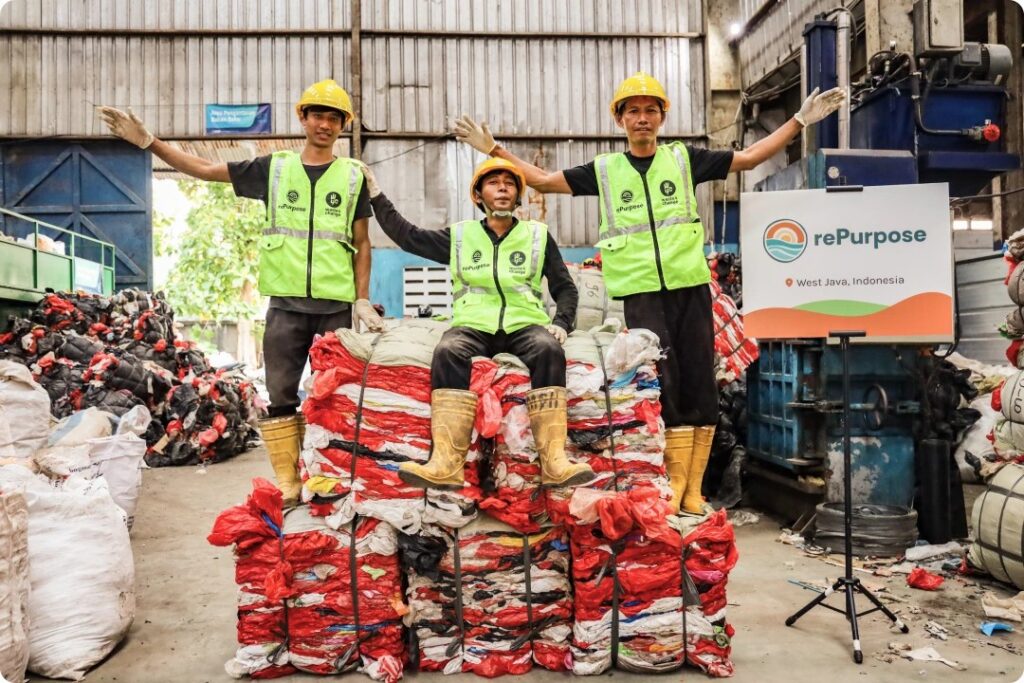
Reciki shows the commercial role of sorting and recovery in the middle of the chain. Circulate Capital invested in Reciki in December 2021 and described it as one of Indonesia’s leading privately owned waste-management companies. At that stage, Reciki was already operating two material recovery facilities, in Lamongan and Badung. Circulate Capital said the model was designed to process waste collected from residential areas and commercial businesses into recoverable material for the recycling value chain.
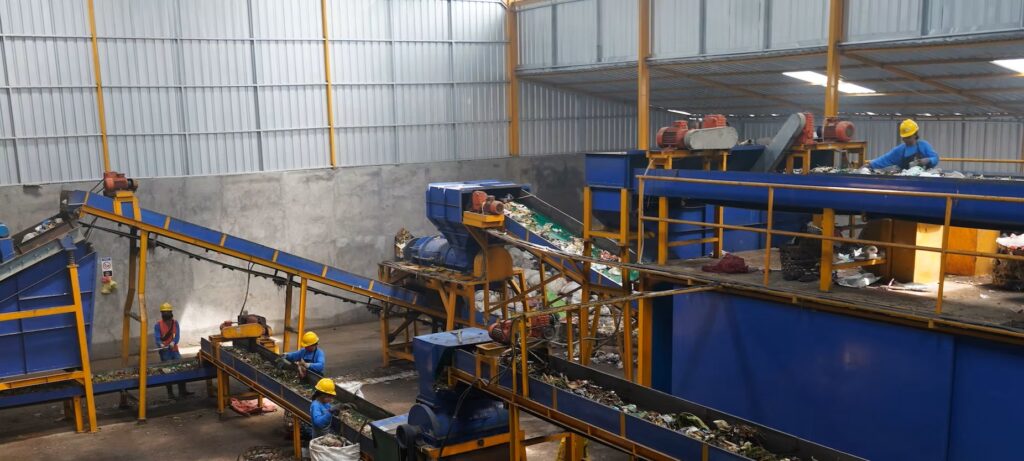
Circulate Capital said Reciki tailors its approach by city, taking account of waste characterisation, existing infrastructure, and local profiles. That detail matters for investors because recovery performance depends on municipal conditions: what households and businesses discard, how material is collected, how contaminated it is on arrival, what labour systems are available, and where recovered material can be sold.
Reciki shows both the promise and the risk of material recovery in Indonesia. Its MRF model is designed around municipal conditions, sorting, and recovery, and it has attracted institutional investment. Its Bali-linked collaboration with Danone also shows why recovery projects need strong site due diligence, community consultation, residual handling, and governance around hard-to-recycle plastics before public sustainability claims are made.
PT ALBA Tridi Plastics Recycling Indonesia
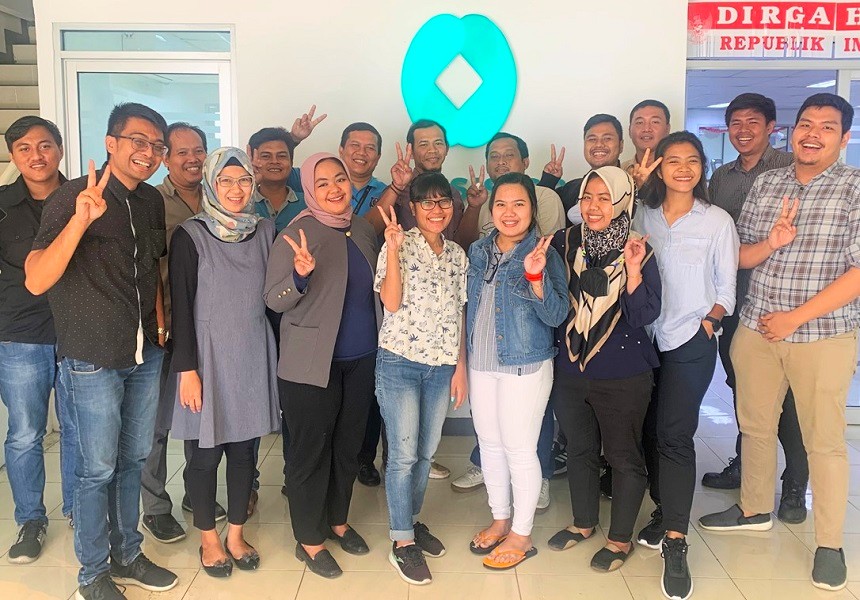
ALBA Tridi shows the value of a material-specific industrial model. In June 2023, ADB signed a US$44.2 million blue loan with PT ALBA Tridi Plastics Recycling Indonesia to support a plastic recycling facility in Central Java. ADB said the project would increase food-grade recycled PET production in Indonesia and help reduce ocean plastic waste, while ALBA said the plant would be the country’s first food-grade rPET production facility.
The project is built around a specific material stream, a defined industrial process, and an identifiable buyer market. That gives investors a useful reference point. Waste-sector projects become easier to test when the material specification, processing method, product standard, buyer demand, logistics, and revenue assumptions can be assessed before scale-up.
Prevented Ocean Plastic Southeast Asia
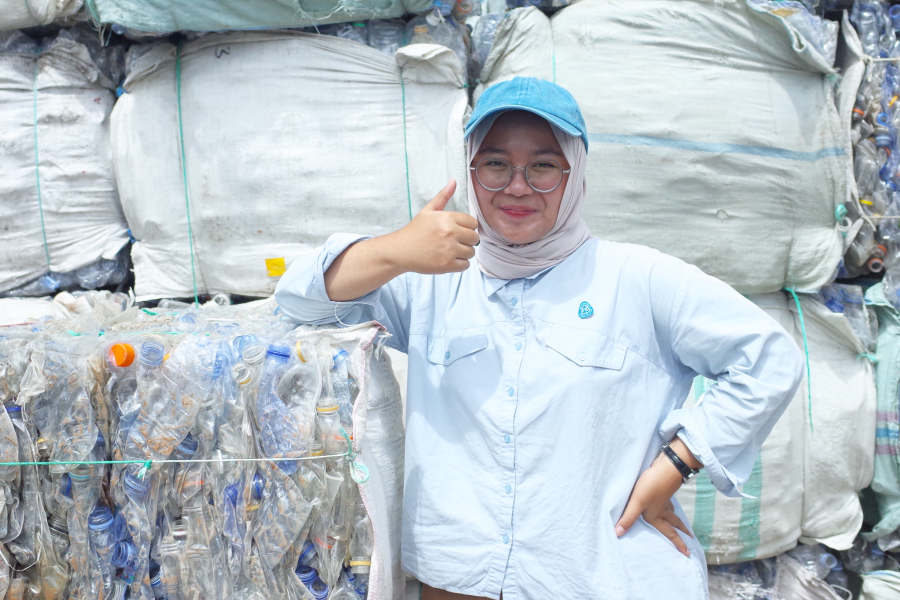
Prevented Ocean Plastic Southeast Asia works upstream in coastal collection and aggregation. Its North Jakarta collection centre opened in October 2023 with capacity to process up to 110 tonnes of plastic waste per month and create around 30 jobs. The company said the site grew out of its partnership with Circulate Capital and that the wider “25 by 2025” programme aimed to build 25 new collection centres in at-risk coastal communities, with combined capacity of more than 68,000 tonnes a year once complete.
This model is commercially useful because it enters the chain where Indonesia still has major leakage risk. Collection and aggregation capacity are built in places where plastic is escaping formal systems. That gives the company a direct route into traceable feedstock, job creation, and global recycled-plastic demand.
Magalarva
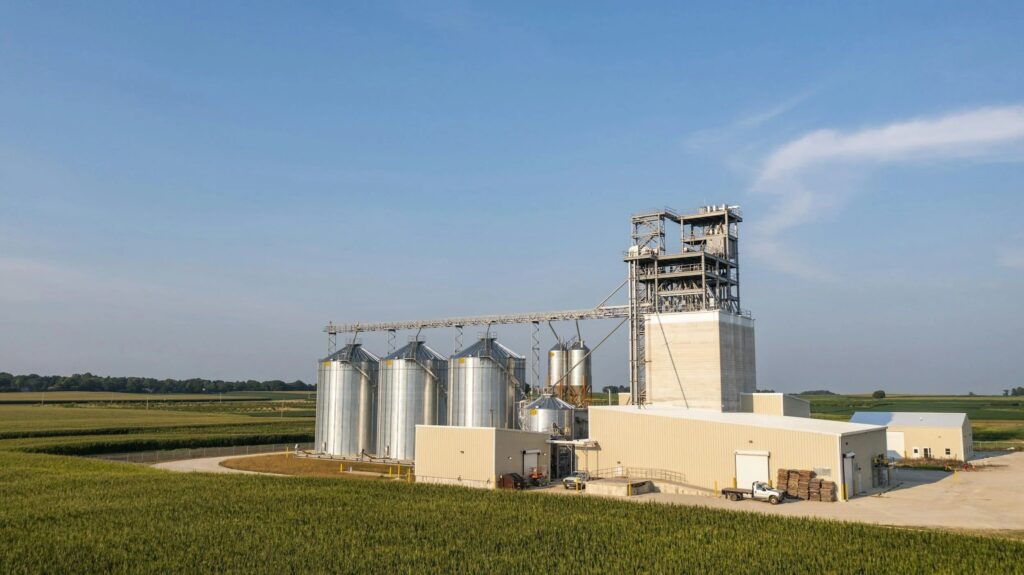
Magalarva points to another investor-relevant lane: organics. The company was founded in 2017 and has processed more than 6,000 tonnes of food waste. Its timeline shows a progression from 50 kilograms a day in 2017 to one tonne a day in 2018, followed by investment and a flagship facility in Bogor.
Indonesia’s waste stream remains heavily organic, so food-waste processing deserves serious investor attention. A business built around food waste can reduce transport weight, limit odour risk, recover value earlier in the chain, and serve customers that generate predictable organic volumes. For Bali, where organics and ceremonial waste remain major components of the stream, this logic should be assessed before a project commits to technology designed around drier mixed waste.
ecoBali
ecoBali is a useful Bali-grounded example because it shows what long-running service work looks like on the island. The company was established in 2006 in response to the urgency of Bali’s waste problem. The business has been built around waste management, composting, event waste management, and education. This is not a grand infrastructure story. It is a working operating model built around collection, processing, and service contracts in the places where waste is generated.
Homes, villas, hospitality businesses, venues, schools, shops, ceremonies, and events produce waste before it reaches any disposal site. Each source needs collection timing, sorting behaviour, client education, organics handling, and nearby processing capacity. A service operator that can collect, sort, compost, educate clients, and manage event waste is dealing directly with that daily flow. That kind of business earns revenue by keeping material moving through the chain rather than by waiting for a single big downstream answer.
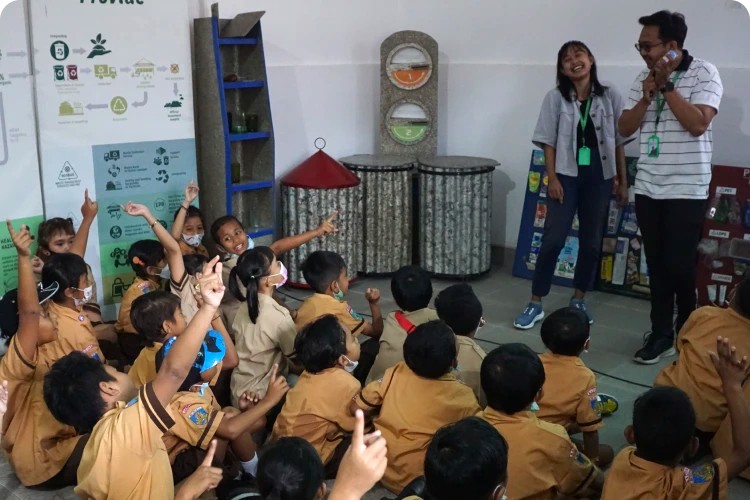
For foreign investors, ecoBali reduces the case for a plant-first market entry. Bali already has service operators working with clients, collection routines, and local waste behaviour. New capital may be better directed into expansion, technology, reporting, route design, organics capacity, cluster services, or partnerships that improve what already works.
Sungai Watch
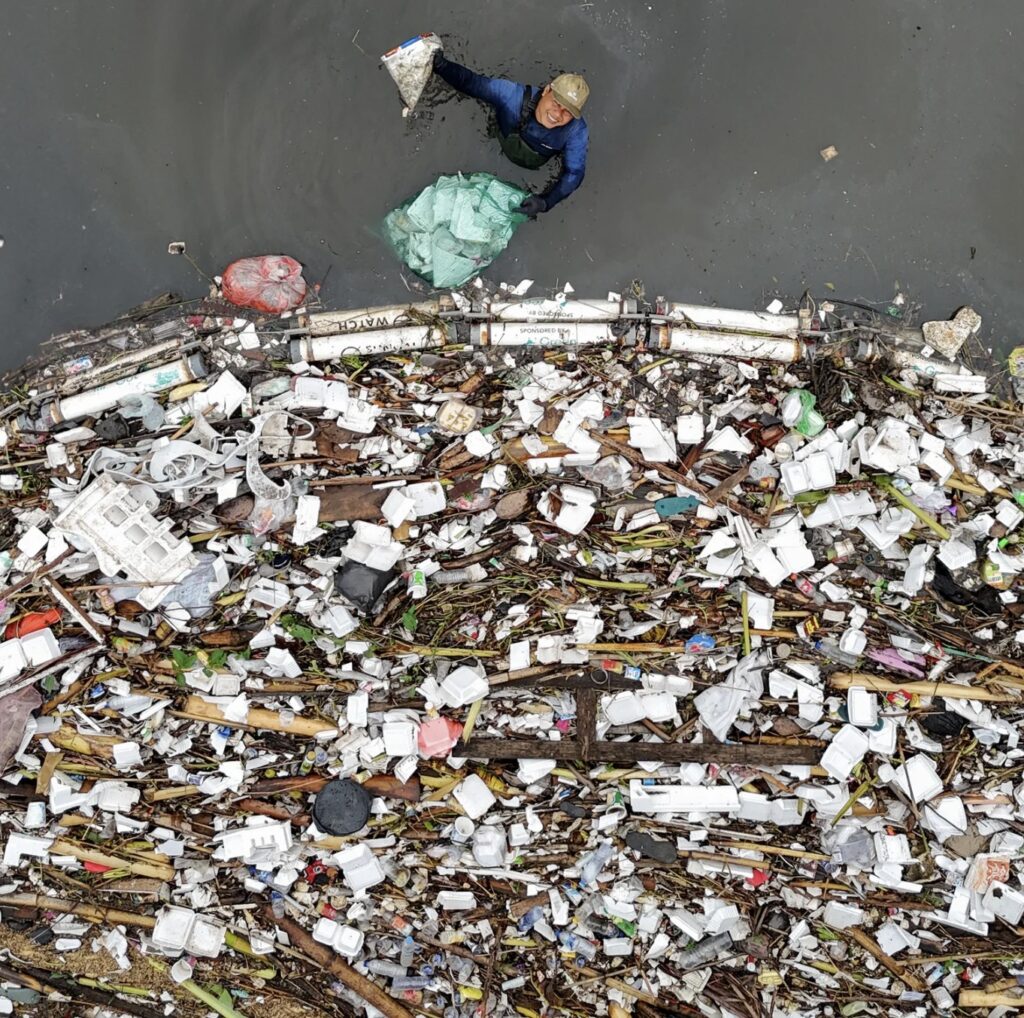
Sungai Watch works in river interception, clean-ups, sorting, upcycling, data collection, and public evidence. The organisation was established in Indonesia in 2020. The Equator Initiative reported that Sungai Watch had installed 120 river barriers in 16 months and collected more than 410,000 kilogrammes of plastic, which it processed in-house while conducting waste and brand audits.
Its work is relevant because river barriers and clean-ups reveal leakage that formal collection systems may miss. Sungai Watch also maps river pollution sources, illegal dumps, barriers, and clean-up locations to work with communities and governments on local waste-management practices.
This is not a direct model for every commercial investor. Its value for market entry is diagnostic. Waste audits, brand audits, illegal dump mapping, river barriers, and clean-up data can show where material escapes collection. That information can guide route planning, village engagement, producer-responsibility discussions, site selection, and priority corridors for intervention.
What these examples show
The strongest operators in this section do specific jobs. Waste4Change links service contracts, collection, recovery, take-back, and reporting. Reciki works through material recovery facilities shaped around municipal conditions. ALBA Tridi focuses on PET recycling with defined input and output requirements. Prevented Ocean Plastic Southeast Asia builds collection and aggregation infrastructure for traceable recycled plastic. Magalarva processes food waste through black soldier fly bio-conversion. ecoBali works through daily waste services on the island. Sungai Watch exposes leakage through river interception, audits, and mapping.
A foreign entrant should begin by mapping these existing capabilities against the gap it claims to address. If the proposed project cannot identify a specific material stream, collection pathway, processing method, buyer market, operating partner, and local service gap, the investment case remains incomplete. The better opportunities are likely to sit around cleaner organics collection, hospitality waste clusters, ritual-waste handling, residual logistics, material-specific recovery, off-take development, operating software, route design, and structured partnerships with Indonesian operators already working in the chain.
These examples point in the same direction. Progress in Indonesia is being made by operators that work with the actual waste stream, the actual service chain, and the actual buyer market. They improve collection, sorting, organics processing, traceability, or a defined recycling output. That is the market foreign investors are entering now. A new entrant who ignores those working models is more likely to repeat old errors than solve a live gap.
Where foreign-backed projects have failed, stalled, or disappointed
Previous waste projects in Bali and Jakarta have stalled over processing fees, lender guarantees, post-handover budgets, vehicle maintenance, equipment repair, buyer pathways, and community consent. Those records should be reviewed before any new PSEL, RDF, material recovery, organics processing, or community-scale facility is treated as ready for investment. Public urgency and technical ambition do not fund a processing fee, repair a collection fleet, secure clean feedstock, satisfy nearby residents, or create buyers for recovered output.
Bali’s cancelled PSEL tender
Bali has already tested the waste-to-energy path and stepped back from it. In August 2021, Mongabay Indonesia reported that the Bali Provincial Government cancelled a tender to find an investor for a PSEL project. Made Teja, then head of Bali’s Environment Agency, said the cancellation had been sent to the Coordinating Ministry for Maritime Affairs and Investment. He identified the tipping fee as too high for the regional government’s financial capacity, with the reported fee around IDR 480,000 per tonne of waste processed.
The same report recorded an earlier Suwung waste-to-energy attempt involving PT Navigat Organic Energy Indonesia. The Sarbagita regional cooperation had included an investor pathway for processing waste into electricity, but the arrangement did not deliver the promised result and the contract ended. Mongabay reported that no agreement was reached on the tipping fee for each tonne of processed waste because combustion-based processing costs were expensive.
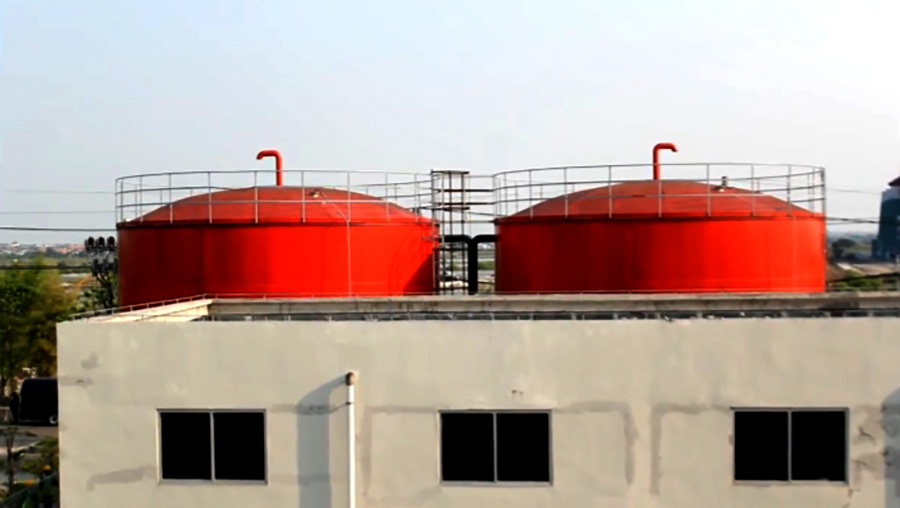
The operating issue is payment capacity. A plant proposal can describe daily tonnage, combustion technology, electricity output, and disposal reduction, while the actual project turns on who pays each month and for how long. The investment file needs a funded processing fee, adjustment mechanism, residue-cost allocation, feedstock guarantee, and public authority capable of meeting the payment obligation during the contract period.
Jakarta ITF Sunter
Jakarta’s ITF Sunter shows the same pressure at larger scale. Antara reported in June 2021 that the project failed to obtain International Finance Corporation loan funding after the Finnish partner, Fortum Power Heat and Oy, withdrew. The reported issues included the absence of a central government guarantee required by Fortum, unresolved bankability points in the cooperation agreement, and unresolved electricity purchase arrangements. The project had already broken ground in December 2018 and was described as requiring investment of around USD 350 million.
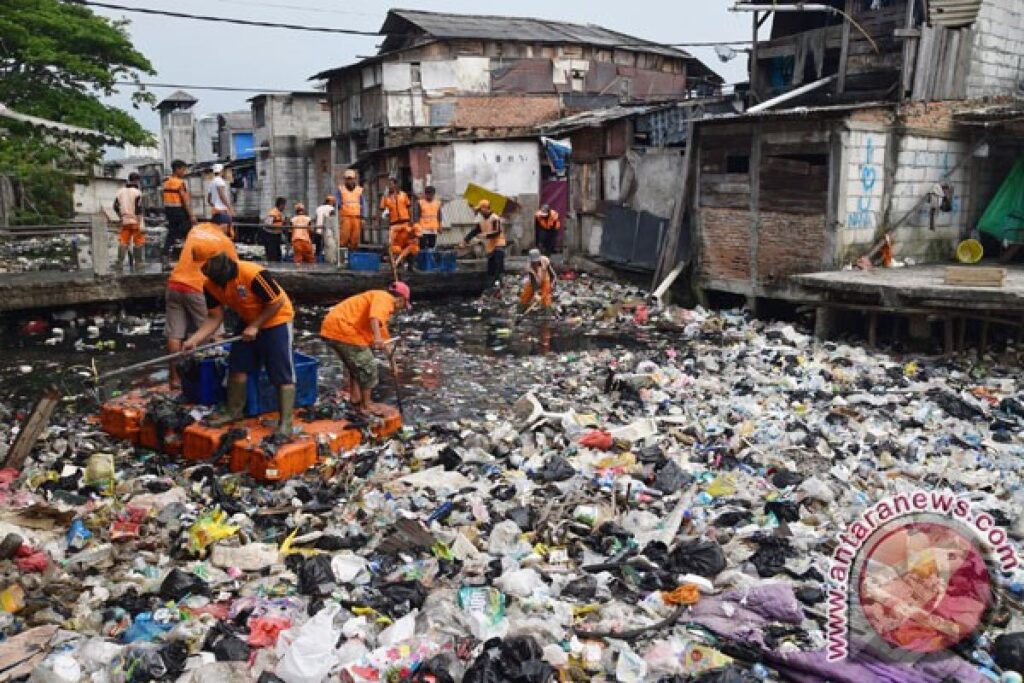
By October 2023, BPK Jakarta republished reporting that the DKI Jakarta Provincial Government had cancelled the ITF Sunter development and redirected IDR 517 billion previously allocated as regional capital participation. The reporting cited regional financial capacity and the burden of the proposed tipping fee, with figures discussed in the range of roughly IDR 500,000 to IDR 700,000 per tonne.
Sunter shows that waste volume alone does not make a project bankable. Jakarta generates substantial daily waste, yet the project still ran into guarantee, lender, electricity purchase, and tipping-fee issues. A waste-to-energy proposal needs a financeable contract structure before procurement momentum becomes investment commitment.
Project STOP Jembrana
Project STOP Jembrana provides a different warning because the project delivered visible early outputs before later operating stress appeared. In August 2023, Project STOP said the Jembrana programme had offered formal waste collection to more than 124,800 people, created 86 permanent jobs, collected more than 12,959 tonnes of waste, and operated a material recovery facility with capacity to process 50 tonnes of post-consumer organic and inorganic waste per day. It also said the programme had reached financial sustainability and would be managed by local government and the community after handover.
The Guardian reported in November 2024, based on an Unearthed visit, that the Jembrana scheme had collected less than a quarter of the 2,200 tonnes of plastic it originally intended to prevent from entering the ocean each year. The report described broken machinery, poor finances, debt at the local organisation involved in taking over the site, waste pressure from the adjoining landfill, and only 35 of the original 53 waste collection vehicles still operational.
Jembrana shows how difficult the handover period can be. Early donor or alliance funding can build facilities, vehicles, education campaigns, sorting buckets, and collection access. Daily operation then depends on vehicle repair, equipment replacement, local budget allocation, fee collection, staff supervision, contamination management, composting performance, landfill coordination, and disciplined management by the receiving institution.
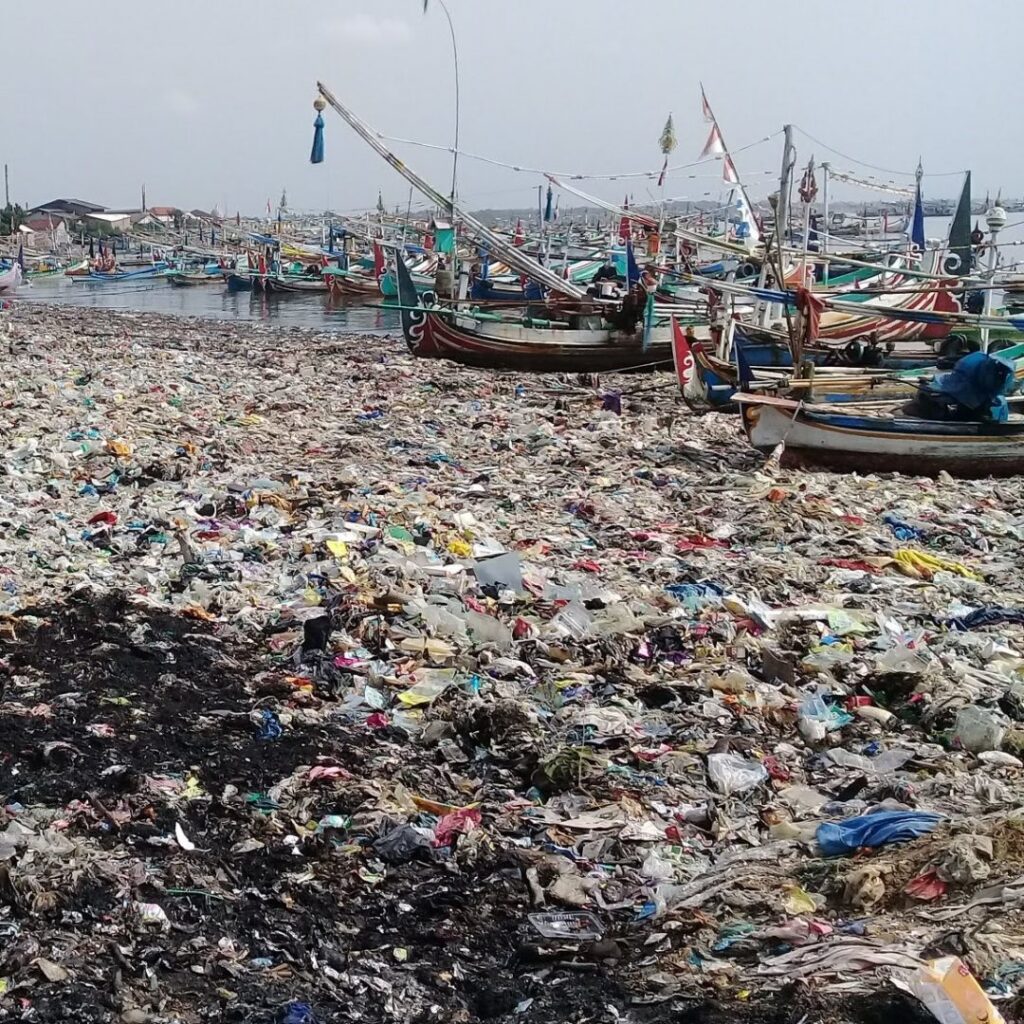
A foreign-backed project needs a post-handover budget before handover occurs. The budget should cover fleet maintenance, spare parts, staff training, equipment downtime, contamination loads, community follow-up, residue movement, and working capital. Without those items, the project can produce strong launch figures and still deteriorate when the original funding and technical team step away.
The Danone-linked RDF project in Bali
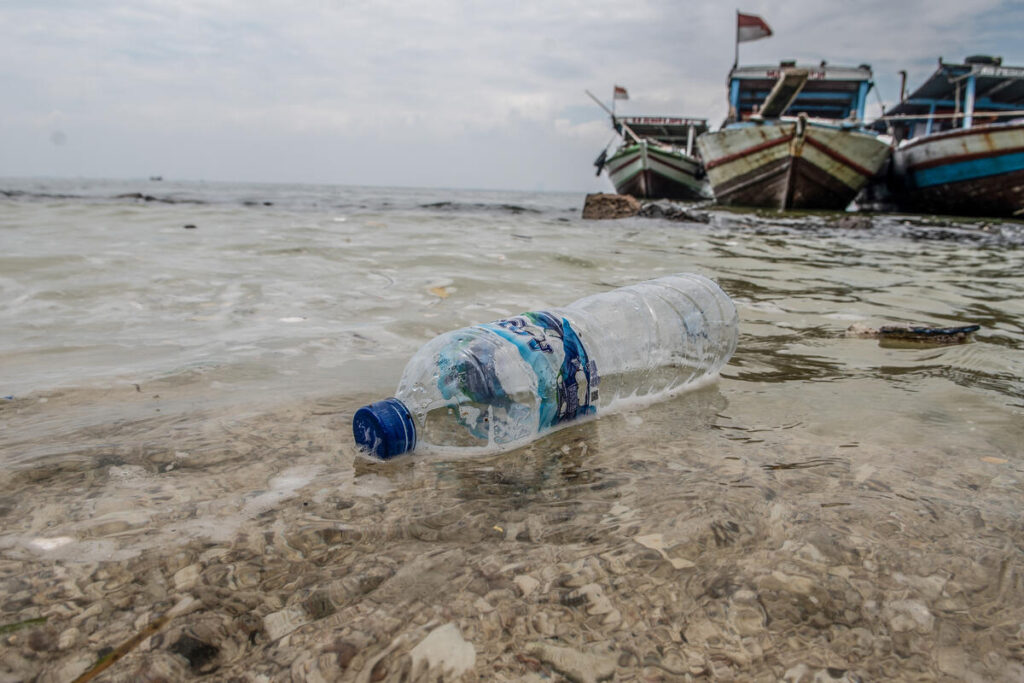
The Danone-linked RDF project in Bali raises site-impact and community-acceptance risks. Reuters reported in March 2025 that Verra confirmed Danone had withdrawn from a plastic-waste recycling project in Bali, one of three Indonesian recycling facilities established in collaboration with Reciki Solusi Indonesia. Reuters also reported that the Bali project opened in September 2021 and was suspended in April after complaints from nearby residents. The facility included conversion of low-value plastic into refuse-derived fuel, and residents complained that it had been built metres from homes and without proper consultation.
Reuters further reported allegations from Indonesian activists about smoke, odour, organic waste dumping near the site, and leachate affecting nearby streets. Verra’s position, as reported by Reuters, was that energy recovery facilities can be eligible for plastic credits where they comply with local law and demonstrate successful end use of recovered energy.
The project shows the limits of circularity language when nearby residents experience odour, smoke, truck movements, leachate, or health concerns. RDF, plastic credits, briquettes, cement-kiln pathways, and energy-recovery claims all need site-level due diligence. The operating file should address distance from homes, air emissions, storage, fire risk, drainage, truck routes, grievance handling, end-use of recovered fuel, and the process for responding to residents when conditions differ from the proposal.
Idle TPS3R facilities
Indonesia’s inactive community-scale facilities show the same operating problem at smaller scale. In February 2026, Antara reported that roughly 30 per cent of TPS3R facilities were inactive. Deputy Environment Minister Diaz Hendropriyono said the Environment Ministry was preparing a joint ministerial decree to reactivate them as part of a wider push for full waste-management coverage by 2029.
The same Antara report said TPS3R facilities and central waste banks were expected to process 29,124 tonnes per day by 2029, while SIPSN interim data showed 24.8 million tonnes of waste generated in 2025 based on reports from 245 of Indonesia’s 514 districts and cities, with only 34.55 per cent properly managed.
The inactive TPS3R evidence matters because it removes the assumption that infrastructure remains useful after it is built. A small facility still needs trained staff, sorting discipline, working equipment, site supervision, local financing, collection routines, data records, buyer access, and management accountability. Larger projects require the same foundations at higher cost and higher public visibility.
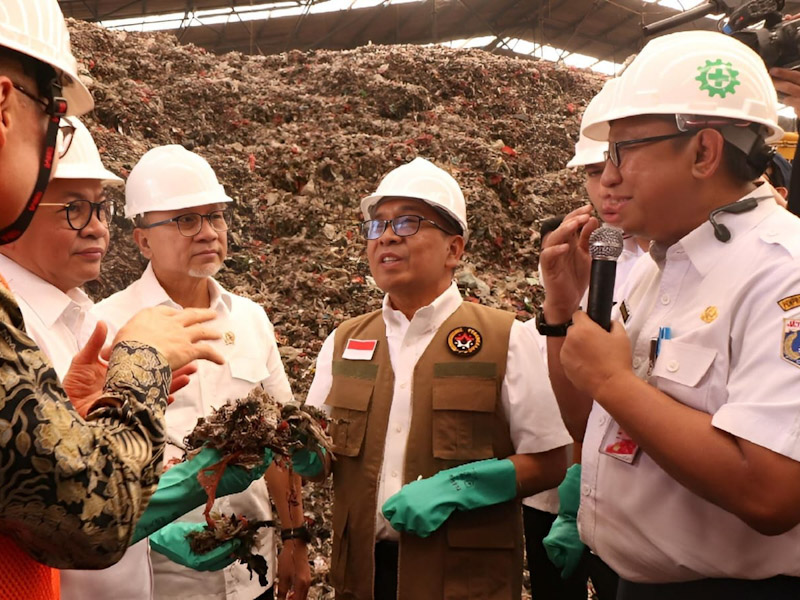
The World Bank’s December 2025 Local Service Delivery Improvement Project points to the same diagnosis. Its project documents focus on upstream solid-waste activities, including waste generation, transport, transfer, recycling, and intermediate treatment. The stated objectives include building financial and institutional capacity for selected local governments, increasing local-government financing for solid waste management, improving collection, and increasing waste treated in formal facilities.
What the failures show
The cautionary pattern is consistent across different project types. Bali’s cancelled PSEL tender and Jakarta’s ITF Sunter exposed processing-fee and public-budget risk. Jembrana exposed post-handover operating risk. The Danone-linked RDF project exposed site-impact and community-acceptance risk. Idle TPS3R facilities expose the daily management risk that follows construction.
A credible waste investment in Bali needs to answer a defined operating sequence before capital is committed. The project should name the waste stream, source locations, expected contamination, collection route, processing site, equipment tolerance, staff model, maintenance budget, residue pathway, buyer or user of output, community engagement process, local counterparties, and payment structure.
Projects that cannot answer those points are still at concept stage. Bali needs more waste-sector capacity, but the strongest entry points are unlikely to come from imported machinery alone. Better opportunities sit where the entrant can prove the material source, secure the service route, fund the operating model, manage community impact, and sell or use the output under tested conditions.
The current gap in the Bali market
Bali’s waste opportunity sits close to the point where waste is created.
Hotels, villas, restaurants, markets, events, villages, and managed estates all generate waste before it reaches a transfer site, processing facility, or landfill. The commercial opening is in making that material cleaner, more predictable, easier to move, and easier to sell or process.
A foreign entrant should be able to identify one part of the chain and show how it will improve daily operations.
| Gap in the chain | What needs to be built | Who would use it |
|---|---|---|
| Organics and food waste | Collection and processing close to hotels, restaurants, markets, and villa clusters. The model needs clean separation, frequent pick-up, odour control, and a saleable output. | Hospitality groups, markets, villa managers, food producers, event venues. |
| Cleaner segregation at source | Waste systems that make sorting easy for staff, residents, guests, and tenants. The service needs bins, training, collection rules, and follow-up reporting. | Hotels, villas, restaurants, retail centres, schools, managed estates. |
| Tourism corridor collection | Cluster-based collection and sorting across areas with high waste volume. This can reduce missed pick-ups, duplicated routes, and mixed loads. | Canggu, Seminyak, Uluwatu, Sanur, Ubud, Nusa Dua, and other busy corridors. |
| Ritual and ceremonial waste | Specific handling for ceremonial waste, including seasonal spikes, organic material, decorations, and mixed post-event waste. | Villages, banjars, temples, event organisers, local authorities. |
| Residual waste after Suwung | Reliable routes for material that remains after sorting, composting, recovery, and local processing. | Local government, private collectors, managed areas, tourism businesses. |
| RDF and recyclable off-take | Buyer mapping before processing begins. A project needs confirmed specifications, prices, transport costs, volume requirements, and payment terms. | RDF operators, recyclers, manufacturers, cement producers, aggregators. |
| Contracted waste services | Professional service businesses that can contract directly with hospitality, retail, villages, events, and residential clusters. | Businesses that need predictable collection, reporting, and compliance records. |
| Data and route management | Systems that track waste volume, contamination, collection timing, missed pick-ups, vehicle use, invoices, and customer behaviour. | Collection operators, local government, producers, hotels, investors. |
What makes one of these gaps investable
Not every gap in the table is ready for capital. The stronger candidates have recurring waste volume, a customer who can sign a service contract, material that can be separated at source, a collection route that can operate without excessive travel, and an output with a buyer, user, or disposal pathway already identified.
In Bali, controlled environments are usually the easier starting point. Hotels, villa groups, markets, managed estates, event venues, schools, and tourism clusters already have staff, routines, decision-makers, payment systems, and reputational pressure. Those conditions make sorting rules, collection timing, reporting, and customer education easier to manage.
The weaker candidates depend on too many parties changing behaviour at once. A project that requires households, small shops, informal collectors, villages, local government, processors, and buyers to all change their routines immediately is carrying too much execution risk at the start.
A stronger entry point usually has a narrower first phase: one material stream, one customer group, one defined area, one processing method, and one buyer or user for the output. Scale can come after the operator proves that collection, sorting, processing, billing, and reporting work under local conditions.
The market signal for new entrants
A foreign entrant should be able to answer these questions before entering Bali’s waste sector:
- Where will the waste come from?
- Who controls separation at the source?
- How clean will the material be when it arrives?
- Where will it be processed?
- Who pays for collection, sorting, maintenance, and residue movement?
- Who buys or uses the output?
- Which existing Indonesian operator could strengthen the model?
Bali’s market does not reward vague environmental ambition for long. The stronger investment case will come from a specific waste stream, a defined customer group, a tested route, a clear processing method, and a buyer or user for the output.
What could work now for new foreign entrants
New foreign entrants still have room to build in Bali’s waste sector. The entry route needs to begin with a defined waste stream, a named customer group, an operating partner, and a buyer or user for the output.
The workable opportunities sit close to daily operations.
Organics services for hospitality, markets, and villa clusters
Food waste is one of the more realistic starting points because it can be contracted around regular generators.
Hotels, restaurants, markets, villa groups, beach clubs, schools, and event venues already produce predictable organic volumes. A service can be built around scheduled collection, clean separation, sealed bins, odour control, staff training, local processing, and reporting back to the customer.
The first phase should be narrow. One tourism corridor. One market cluster. One group of hospitality clients. One processing route. Once the collection and contamination pattern is known, the operator can decide whether composting, black soldier fly processing, animal-feed pathways, or another treatment method fits the material.
Traceable dry-material collection and sorting
Dry recyclables need cleaner handling before they reach a buyer.
A foreign entrant could build a service around paper, cardboard, plastic bottles, cans, glass, and selected packaging streams from managed sites. The customer receives bins, sorting instructions, scheduled collection, contamination feedback, and periodic reporting. The operator then aggregates material into buyer-ready batches.
This model suits customers with reputational pressure and internal management capacity: hotels, retail centres, international schools, coworking spaces, offices, events, and managed estates. The value sits in making recyclable material reliable enough for aggregators and recyclers to accept without heavy re-sorting.
Packaging recovery services for producers, retailers, and food-and-beverage operators
Indonesia already has a producer waste-reduction framework. Regulation of the Minister of Environment and Forestry Number P.75/MENLHK/SETJEN/KUM.1/10/2019 concerns the Roadmap for Waste Reduction by Producers and remains recorded as in force on Indonesia’s official regulatory portal. KLHK’s implementation handbook states that the regulation targets a 30 per cent reduction in producer waste by 2029 and applies to manufacturing, retail, and food-and-beverage service businesses.
That creates space for services that help producers and larger commercial operators collect, document, reduce, redesign, reuse, or recover packaging. The commercial model should be built around evidence: baseline waste data, collection records, material type, recovery route, reporting format, and proof of final handling.
Bali could support this type of service through hospitality suppliers, beverage distributors, packaged-food businesses, supermarkets, delivery businesses, and tourism venues that need better records for packaging waste.
Material-specific recovery with confirmed buyers
Material-specific projects are easier to test than broad waste-processing claims.
A project built around PET, glass, used cooking oil, cardboard, aluminium, textile waste, or selected construction waste can be assessed through a tighter set of questions: who generates the material, how much is available, how contaminated it is, what treatment is required, who buys it, what price range applies, and how transport affects margin.
The buyer pathway should be confirmed before equipment is ordered. Recovered material only becomes revenue when the buyer accepts the specification, volume, delivery schedule, and payment terms.
Service-management tools for operators and local government
Some opportunities may sit in management systems rather than physical infrastructure.
Waste operators need better ways to track customers, routes, vehicles, missed pick-ups, contamination, weighbridge data, invoices, staff tasks, site maintenance, and buyer deliveries. Local government also needs better data to understand where material is generated, where collection fails, and which facilities are performing.
A foreign entrant with software, logistics, data, or operating-systems experience could work with existing Indonesian operators rather than launching a competing collection business. The product would need to be simple enough for field teams to use and specific enough to improve billing, reporting, route planning, and management accountability.
Joint ventures and structured collaborations
Several Indonesian operators already have routes, staff, community relationships, collection habits, and local knowledge. A foreign entrant may create more value by partnering with them than by building a stand-alone platform.
A workable collaboration could bring capital, equipment, software, buyer access, reporting systems, technical training, or specialist processing capacity. The Indonesian partner may bring permits, site knowledge, staff, customer relationships, village access, and operational history.
The agreement needs more than a broad memorandum of understanding. It should identify who controls collection, who owns equipment, who manages staff, who invoices customers, who reports data, who bears maintenance costs, who sells recovered output, and how disputes are handled.
A disciplined entry sequence
The better entry sequence is specific and testable.
Start with one waste stream. Select one customer group. Map one collection area. Identify one processing route. Confirm one buyer or user for the output. Price the collection, labour, maintenance, residue, reporting, and community-engagement costs before capital is committed.
Bali’s waste market already has public urgency. The investment opportunity sits in proving that a proposed service can operate every day under local conditions.
How TraceWorthy helps foreign investors enter the sector properly
Foreign investors entering Bali’s waste sector need a project file that can survive local testing before capital moves. TraceWorthy’s role begins with the practical parts of that file: market fit, legal route, counterparties, land, permits, tax, reporting, governance, contracts, and evidence.
Screening the market gap
The first task is to test whether the proposed project fills a real gap.
A waste proposal may sound compelling because Bali has visible pressure, public urgency, and a difficult landfill transition. That is still insufficient. The project needs to be tested against existing operators, available feedstock, source separation behaviour, customer demand, off-take options, community conditions, land access, and payment capacity.
TraceWorthy can help investors assess whether they are entering an underserved part of the chain or repeating work already being done by Indonesian operators.
Designing the entry route
The legal and commercial route needs to match the actual business model.
A collection service, organics processor, RDF supplier, plastics aggregator, software provider, recycling facility, or joint venture will each raise different questions. The structure may involve PT PMA establishment, licensing, land or site arrangements, environmental obligations, tax treatment, employment planning, reporting duties, and contracts with customers, suppliers, operators, or public bodies.
TraceWorthy can help shape the entry route around the activity that will actually be performed, the revenue that will actually be earned, and the operational risk that will actually be carried.
Mapping local counterparties
Bali’s waste sector already has operators, collectors, recyclers, village structures, hospitality groups, estate managers, event venues, suppliers, and community actors working inside the chain.
A foreign entrant needs to know who is already doing the work, where capacity exists, where cooperation is realistic, and where a partnership would create duplication or conflict. Some projects may need a local operating partner. Others may need a supplier network, village engagement, hospitality contracts, buyer introductions, or a technical collaboration with an existing waste business.
TraceWorthy can support counterpart mapping for joint ventures, collaborations, cooperative models, service contracts, concession-style arrangements, supplier relationships, and staged partnerships.
Building the commercial file
A serious waste project needs written answers before public announcements or major spending.
The file should identify the material source, customer group, collection route, sorting rules, processing method, site pathway, labour model, maintenance budget, residue movement, reporting system, buyer or user of output, and payment structure.
It should also identify who is responsible when material arrives contaminated, collection vehicles break down, equipment needs repair, residents complain, buyers reject output, or customers fail to sort properly.
TraceWorthy can help convert the proposal into a working commercial file, including responsibilities, contracts, evidence requirements, reporting lines, decision rights, and escalation points.
Reducing duplication
The best foreign entrants will usually strengthen the chain already forming in Indonesia.
That may mean providing capital to expand a proven operator, bringing buyer access for a specific material, improving reporting systems, funding organics capacity, introducing route-management tools, developing hospitality cluster services, or connecting several local actors into a workable project.
TraceWorthy’s role is to help investors identify where their contribution fits. A project that copies what already works creates commercial friction. A project that fills a defined gap can create value for the investor, the local partner, the customer, and the waste system.
Testing before capital is committed
Waste-sector mistakes become expensive once land is secured, equipment is ordered, public commitments are made, or community expectations are raised.
The safer sequence is evidence first. Waste audits. Customer interviews. Collection trials. Site review. Local counterpart checks. Permit mapping. Off-take discussions. Financial modelling. Community engagement. Contract design. Governance planning.
TraceWorthy can coordinate that sequence so investors make decisions from evidence rather than market urgency. For Bali, that discipline may be the difference between a project that performs daily and another facility that adds cost without solving the operating problem.
Conclusion
Bali’s waste transition is entering a stage where visible landfill pressure has to be matched by daily service discipline. The next wave of investment will be judged by what happens before and after processing: whether waste is separated at source, collected on time, delivered in usable condition, processed within realistic cost limits, and converted into an output that someone will buy or use.
Foreign capital can still create value in this sector. The better entry points will come from defined waste streams, reliable customer groups, workable collection routes, tested processing methods, local counterparties, and confirmed buyer pathways. Organics, hospitality clusters, dry-material recovery, packaging take-back, route management, and partnerships with existing Indonesian operators all deserve serious assessment.
The weaker proposals will be the ones that begin with equipment before feedstock, payment, maintenance, community acceptance, and off-take have been tested. Bali has already seen projects affected by tipping fees, public-budget pressure, handover weaknesses, resident complaints, idle facilities, and unsupported operating costs. Those records should shape the next investment cycle.
A serious waste project in Bali should begin with evidence. The investor needs to know where the waste comes from, who controls it, what condition it arrives in, who pays for each step, who manages the site, who handles residue, and who takes the output. That is where a waste investment becomes a working business rather than a facility that cannot secure clean material, fund daily operations, manage residue, or sell its output.