
The ask listen design act framework provides a repeatable way to integrate decisions across legal, finance, compliance, and people. It begins with disciplined questions, moves through evidence-led interpretation, converts insight into designed structures, and then moves those structures into day-to-day behaviour.
This article explains the ask listen design act framework as TraceWorthy uses it in client work. It also shows how the same method supports a human centred consulting method, business systems design, cross discipline advisory, and capability building for founders. The ask listen design act framework provides that method. It is a repeatable cycle for turning real questions into decisions, artefacts, and routines. The cycle also aligns with well-established design thinking practice that begins with understanding people and context, then moves into synthesis and implementation.
Research basis for the method
The method sits on three established bodies of practice:
- Human-centred design and design thinking, which uses structured discovery and synthesis to build solutions grounded in real user needs.
- Process-based management and continuous improvement, which uses cycles such as PDCA and the ISO process approach to build, run, review, and refine systems.
- Governance principles, which emphasise effective frameworks, accountability, and reliable information flows for decision-making.
TraceWorthy adapts these ideas to founder-led enterprises in Indonesia, using practical workshops and implementation sprints.
What the framework means in a real enterprise
The ask listen design act framework is a cycle used to move from uncertainty to operational stability.
- Ask produces a complete map of objectives, constraints, risks, and current workflows.
- Listen turns what people say and what systems show into a shared interpretation.
- Design converts that interpretation into governance, workflows, documents, and information flows.
- Act implements through sequenced steps, training, and governance routines.
The value of the cycle sits in repeatability. A founder can return to the same method during expansion, investment, restructuring, conflict, compliance remediation, or team redesign. The cycle also supports a human centred consulting method, because it begins with the lived experience of the founder and team, and then places that experience beside documentary evidence and operational data.
Why “ask” changes outcomes for founders and teams
Founders often enter advisory sessions with a specific question: a licence issue, a contract dispute, a tax portal deadline, a staffing problem, or a shareholder concern. Each question matters. Each question also sits inside a wider system. This maps closely to human-centred design practices that begin with empathy and context gathering.
“Ask” works as a system prompt. It moves the conversation from symptoms to system drivers. The outcome is practical: better sequencing, better decisions, fewer reversals, and fewer expensive corrections.
For teams, “ask” improves daily execution. Staff begin to see why a process exists, how success is measured, and where judgement matters. Questions also signal psychological safety and competence: staff use structured questions to raise risk, improve service, and strengthen collaboration.
TraceWorthy uses the same stance internally. Team members ask why a workflow sits in a certain sequence, why a template contains a clause, why a client deliverable takes a particular shape, and why training topics sit in a certain order. That habit strengthens cross discipline advisory by reducing gaps between service lines.
Ask: discovery that captures the whole operating environment
In the ask listen design act framework, “ask” is structured discovery. The aim is a complete operating picture that includes commercial reality, legal boundaries, financial patterns, compliance exposure, and human capacity.
A practical discovery agenda for a first working session can include:
- Founder objectives and time horizon, including lifestyle design, family context, and investor expectations.
- Revenue and cost structure, including seasonality, margin drivers, and cash timing.
- Ownership and governance reality, including who decides, who signs, and who carries responsibility.
- People model, including who does the work, how work is supervised, and where pressure concentrates.
- Contracts and commitments, including clients, vendors, landlords, and key operational dependencies.
- Compliance landscape, including licences, registrations, reporting cycles, and known exposure points.
- Information flow, including what gets reported, who reads it, and how decisions get recorded.
This discovery stage supports business systems design, because it identifies where systems already exist and where systems exist only in people’s heads. It also supports capability building for founders, because the founder begins to see their enterprise as a set of designable systems rather than a collection of urgent tasks.
The “ask” stage also anchors a human centred consulting method. Questions include practical constraints such as time, energy, language, cultural dynamics, and team maturity. Those constraints shape designs that a team can execute.
Listen: interpret experience and evidence together
Listening is an operational skill. It includes the founder’s narrative, the team’s lived experience, and the evidence in documents and data. In a cross discipline advisory environment, listening also includes how different disciplines interpret the same facts.
TraceWorthy uses a “listen” stage to produce a shared interpretation that becomes the design brief. This stage typically includes:
- A founder narrative review: key events, decisions, drivers, pressures, and goals.
- A team reality review: what work looks like day to day, what fails under pressure, and where handoffs break.
- An evidence review: governance documents, contracts, licences, payroll outputs, financial reports, tax filings, bank flows, and board records.
- A decision history review: what choices were made, what trade-offs were accepted, and what assumptions shaped those choices.
The output is a short written Listening Summary. It records what the enterprise is trying to achieve, what constraints exist, what risks matter, and what systems require redesign.
This stage strengthens capability building for founders. Founders gain language for what they have been feeling, and they gain a structured view of how the system behaves under stress. The same stage supports business systems design, because it turns observation into a usable brief for redesign.
This stage also embodies the human centred consulting method. Listening includes team emotions, founder fatigue, role conflict, ambiguity in authority, and cultural misunderstandings. These issues shape governance, workflows, and training.
Design: co-design structures, documents, workflows, and information flows
“Design” is where the ask listen design act framework becomes tangible. Design converts interpretation into structures and routines that a team can run.
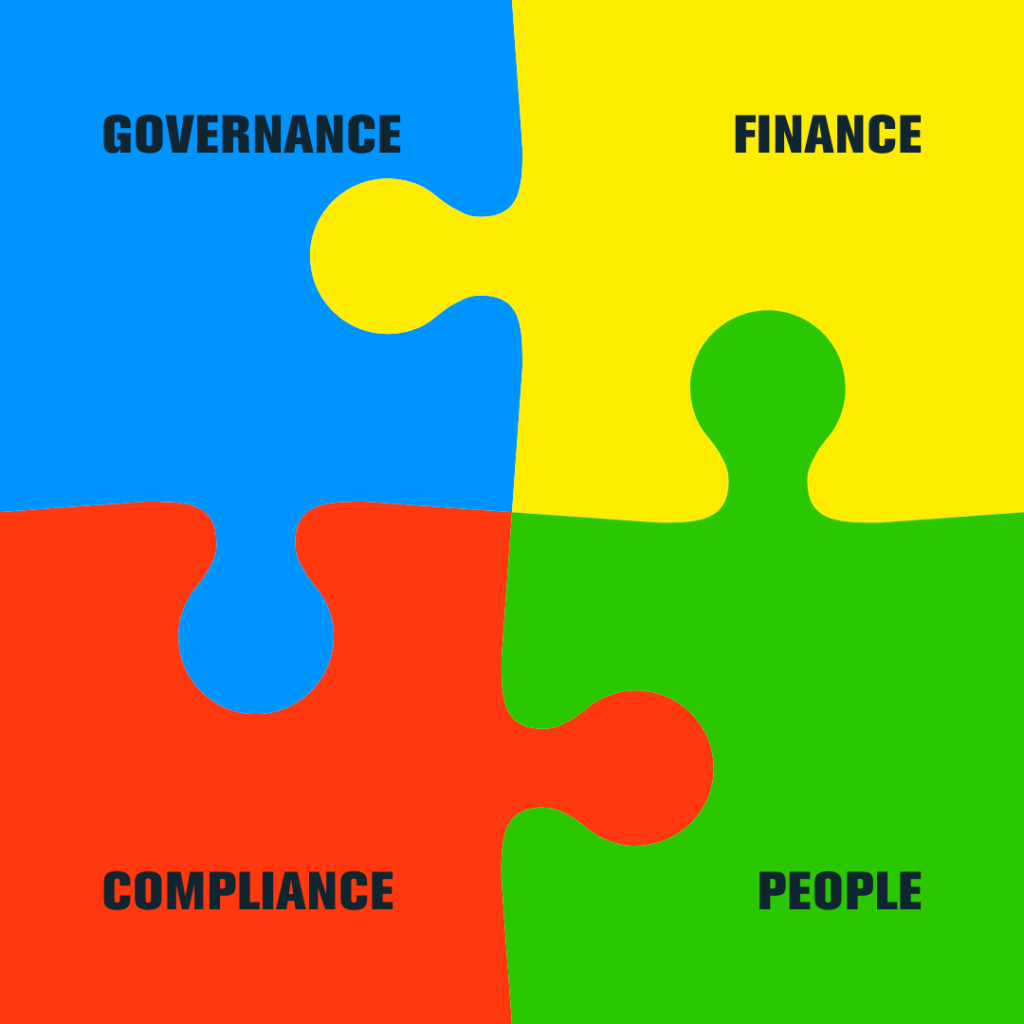
Design work typically includes governance architecture, finance architecture, compliance architecture, and people architecture. Each architecture is linked so that the enterprise runs as one system.
Governance architecture
Governance design focuses on the relationship between ownership, directors, managers, and staff. Outputs often include:
- A governance map showing decision rights, signatory authority, and escalation pathways.
- A board rhythm, including agenda structure, reporting packs, and decision logs.
- A shareholder communication framework, including what gets reported, when, and through what format.
- A contract and approval map that links commitments to authority.
Governance outputs support cross discipline advisory because they give every discipline a shared map of authority and accountability.
Finance architecture
Finance design focuses on reporting that leads to action. Outputs often include:
- A reporting calendar for weekly, monthly, quarterly, and annual routines.
- A chart of accounts structure aligned to decision-making needs and investor expectations.
- A control map for approvals, reconciliations, and review points.
- A cash visibility routine that links bank flows to operational decisions.
These outputs are central to business systems design. They also support capability building for founders by making financial information readable and actionable.
Compliance architecture
Compliance design focuses on predictable routines rather than reactive fire-fighting. Outputs often include:
- A compliance register covering key obligations, frequency, responsible roles, and evidence requirements.
- A document control structure that ensures records remain current and traceable.
- Policy and procedure suites aligned to how work is actually performed.
- A risk review routine that integrates legal, finance, compliance, and people considerations.
This design stage strengthens the human centred consulting method because the focus sits on execution by real people within real constraints.
People architecture
People design focuses on role clarity, performance routines, and training. Outputs often include:
- Role definitions and delegation maps that reduce ambiguity and bottlenecks.
- Onboarding and training sequences that build shared language across teams.
- Performance routines that include feedback, coaching, and continuous improvement cycles.
- Communication structures that support cross-team collaboration and service standards.
Together, these designs embody cross discipline advisory. Each discipline’s work becomes easier because the enterprise has a coherent operating model.
Across this design stage, TraceWorthy uses workshops rather than one-way directives. That approach supports capability building for founders, because founders and key team members learn how design decisions get made, how trade-offs get evaluated, and how structures become routines.
Act: implementation that moves from plan to behaviour
Implementation is where enterprises succeed or stall. “Act” in the ask listen design act framework means coordinated execution supported by training, sequencing, and governance routines.
A practical implementation model includes:
- A backlog of actions grouped by theme: governance, finance, compliance, and people.
- Owners assigned inside the client organisation for each action, with support roles identified.
- A timeline that reflects dependencies, such as data clean-up before reporting routines, or authority mapping before contract redesign.
- Training sessions that transfer knowledge into daily practice.
- Review checkpoints that measure whether the designed system is being used as intended.
- A refinement loop that updates documents, templates, and routines based on real-world use.
This stage links directly to the human centred consulting method. Implementation plans succeed when they reflect capacity, skill levels, workload peaks, and the rhythms of daily life.
“Act” also reinforces business systems design. Designed systems become operational systems when they are used weekly, reviewed monthly, and adjusted quarterly. That rhythm is a form of ongoing capability building for founders, because the founder learns to steer the enterprise through structured review rather than constant urgency.
How the method works across disciplines
The ask listen design act framework stays consistent across service lines, while the content shifts by discipline.
Legal and governance engagements
Ask focuses on objectives, authority, ownership reality, and contractual landscape. Listen examines existing documents, decision history, disputes, and operational dependencies. Design produces governance maps, agreement frameworks, approval flows, and board rhythms. Act delivers implementation through drafting, signing workflows, board induction, and ongoing meeting routines.
These engagements succeed when cross discipline advisory is present, because governance choices shape payroll, tax positions, reporting responsibilities, and people management.
Finance and reporting engagements
Ask focuses on revenue flows, cost drivers, reporting pain points, and decision needs. Listen examines ledgers, bank flows, reconciliations, payroll outputs, and reporting history. Design produces a reporting cadence, dashboard structure, internal controls, and review routines. Act includes clean-up work, process handover, training, and recurring review meetings.
This discipline sits at the centre of business systems design. When reporting routines exist, leadership decisions become evidence-led.
Compliance and policy engagements
Ask focuses on exposure points, current routines, evidence quality, and organisational capacity. Listen examines registrations, licences, reporting calendars, internal records, and staff practice. Design produces registers, policies, procedures, document control, and review rhythms. Act embeds the system through training, role assignment, and periodic reviews.
This discipline reinforces the human centred consulting method because policy becomes usable only when staff understand it and see its purpose in daily work.
People, leadership, and continuous improvement engagements
Ask focuses on role clarity, workload distribution, leadership behaviour, and communication patterns. Listen examines staff feedback, handoff failures, rework patterns, and performance routines. Design produces training sequences, feedback structures, delegation maps, and continuous improvement cycles. Act embeds those routines through coaching, team workshops, and management review structures.
This discipline provides the human engine that sustains capability building for founders and teams.
A realistic case example: from pressure to a workable operating rhythm
Consider a founder-led enterprise experiencing rapid growth. Revenue is rising, staff numbers have increased, and vendor relationships are multiplying. The founder feels constant pressure: contracts pile up, reporting arrives late, and compliance obligations feel unpredictable. Staff are working hard, yet service quality fluctuates.
TraceWorthy begins with the ask listen design act framework.
Ask uncovers the founder’s objectives, the expected time horizon for the enterprise, and the type of operation the founder wants to lead. The session also gathers current documents, reporting outputs, payroll routines, and operational workflows.
Listen examines patterns: cash timing issues, unclear delegation, approval bottlenecks, and reporting that arrives too late to guide decisions. Staff interviews reveal frustration in handoffs and uncertainty around priorities. Document review shows gaps in authority mapping, inconsistent contract standards, and incomplete record keeping.
Design produces a linked set of outputs:
- A governance map that defines who approves what and how decisions are recorded.
- A reporting calendar and review rhythm that gives leadership weekly and monthly visibility.
- A compliance register tied to evidence storage and document control routines.
- Role definitions and training pathways that standardise execution and reduce rework.
Act moves those outputs into operation:
- A four-week implementation plan with owners, deadlines, and dependencies.
- A series of working sessions to finalise templates and introduce approval workflows.
- Training sessions for finance, compliance, operations, and management.
- A first board-style review meeting using the new reporting pack and decision log.
- A refinement loop after thirty days to adjust templates and routines based on real use.
The enterprise gains a workable operating rhythm. The founder gains decision visibility and a way to lead through routines. Staff gain role definition, escalation pathways, and training that improves execution. This is capability building for founders expressed through designed systems and embedded habits. It is also cross discipline advisory in action, because every discipline shares a common system map.
How to use the method inside your own enterprise
Founders and managers can adopt a simplified internal version of the ask listen design act framework for continuous improvement.
A practical internal cycle can include:
- A weekly “ask” routine: list the highest-impact questions across governance, finance, compliance, and people.
- A monthly “listen” review: read the numbers, review incidents, examine workflow friction, and gather team input.
- A quarterly “design” workshop: redesign one system at a time, such as approvals, reporting, onboarding, or vendor management.
- A focused “act” sprint: assign owners, train staff, introduce templates, and review adoption in scheduled meetings.
This approach makes business systems design manageable. It also supports a human centred consulting method inside the enterprise, because the cycle includes team experience and execution capacity.
Working with TraceWorthy using the framework
TraceWorthy uses the ask listen design act framework as a consistent method across legal, finance, compliance, and people work. Engagement formats commonly include:
- A diagnostic session that produces a Listening Summary and an initial action map.
- A series of co-design workshops that produce governance structures, reporting routines, compliance registers, and people systems.
- Implementation support through sequenced actions, training sessions, and governance rhythm setup.
- Ongoing reviews that keep systems current as the enterprise grows and changes.
This is cross discipline advisory designed for real execution. It is a human centred consulting method grounded in observed behaviour, documentary evidence, and practical constraints. It is business systems design that results in routines staff use every week. It is capability building for founders that develops leadership, decision-making, and governance maturity.
If your enterprise is carrying unresolved system questions, a structured working session can convert those questions into a Listening Summary, a designed system plan, and an implementation sequence your team can execute.
Frequently asked questions
How does the ask listen design act framework work for a new company setup
The ask listen design act framework begins with discovery of objectives, ownership intentions, service model, and operational capacity. Listening then reviews planned workflows and required registrations. Design produces governance documents, reporting routines, compliance registers, and role definitions. Act sequences implementation through registrations, banking preparation, board rhythm setup, and staff onboarding into the new operating model.
What documents and data are used during the listen phase
The listen phase draws on governance documents, contracts, licences, registrations, payroll outputs, financial reports, bank flows, tax filings, organisational charts, role descriptions, and operational checklists. Team interviews and founder decision history sit alongside these materials to create the Listening Summary.
How long does implementation take during the act phase
Implementation timing depends on the scope of redesign and the readiness of data and team capacity. Many engagements begin with a four to eight week sequence focused on reporting rhythms, approval flows, and compliance routines. Additional phases can extend as governance redesign, policy suites, and training pathways expand.
How does the method support finance, tax, and reporting routines
Finance work begins with “ask” questions focused on decision needs and pain points. Listening examines ledger structure, bank timing, reconciliations, and reporting history. Design produces a reporting calendar, dashboards, internal controls, and review routines. Act embeds the routines through data clean-up, staff training, and recurring finance review meetings.
How does the method support governance, directors, and shareholder expectations
Governance work begins with “ask” questions focused on authority, responsibilities, and investor expectations. Listening examines existing decision records, contractual dependencies, and operational bottlenecks. Design produces governance maps, board rhythms, reporting packs, and decision logs. Act embeds these through meeting routines, induction sessions, and documented approvals.
How does the method support team performance and communication
Team performance improves when role definition, delegation, training, and feedback routines exist. The method uses ask to surface friction, listen to gather staff experience and evidence, design to create practical routines and templates, and act to implement through training and scheduled review. This approach aligns with a human centred consulting method because people capacity and daily realities shape the system.
Conclusion
The ask listen design act framework offers a structured way to convert business questions into designed systems and embedded routines. It provides a consistent method for cross discipline advisory across legal, finance, compliance, and people. It operationalises a human centred consulting method through evidence-led listening and co-design. It strengthens business systems design by linking governance, reporting, compliance, and people routines. It delivers capability building for founders by transferring understanding into usable tools and repeatable rhythms.
For founders and leadership teams seeking a method that turns complexity into workable operations, a first TraceWorthy working session can produce a Listening Summary and a sequenced plan that turns questions into implemented systems.